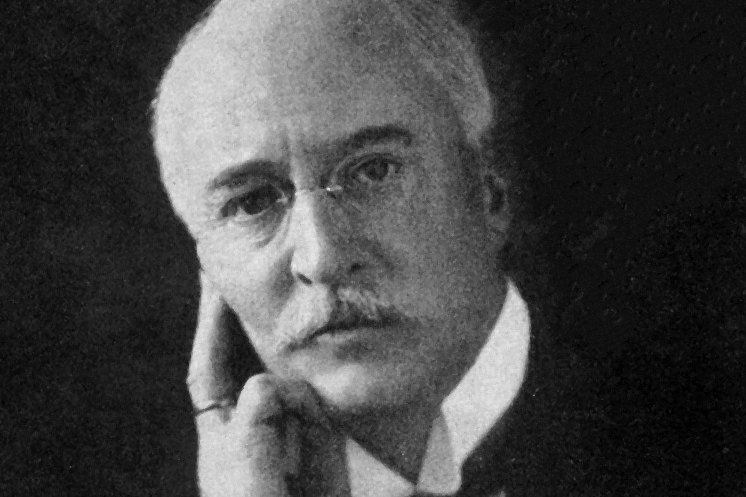
At 10 p.m. on September 29, 1913, Rudolf Diesel was seen heading to his room aboard the steamer Dresden, bound from Belgium to England. Nobody saw him alive again.
When the ship reached England, Diesel did not get off. His nightclothes lay on the bed, but the bed had not been slept in. Family and friends guessed he had fallen overboard or killed himself.
Eleven days later a Belgian sailor found a body at sea. It was badly decomposed. Diesel’s son insisted it was his father, and said a wallet and a knife on the body had belonged to him. Time later reported speculation that the remains were someone else’s. The official conclusion was suicide.
Two details backed it up. Diesel’s diary had an X marked on September 29. And before leaving, he had handed his wife a bag of money and papers showing how deep in debt he was. ThoughtCo. reports the debt came from bad investments, and that his health was failing.
The man and the engine
Diesel patented his engine in 1892. Steam engines then turned only about 10 percent of their heat into work, and gas engines were no better. His design needed no ignition system. It compressed air until the heat was enough to light the fuel, and it could run on different fuels. Its theoretical efficiency was 75 percent. The engine powered cars, mines and more, and made Diesel a wealthy man.
Why many doubt the verdict
Plenty of people did not buy suicide. Time quoted the line that “in 1913 things were going fairly well” for the inventor. He was crossing to England to discuss putting his engines in British submarines, and French submarines already ran on diesel by 1904.
That fed one theory: German spies had killed him to stop a deal with the British. One newspaper ran the headline “Inventor thrown into the sea to stop sale of patents to British government.”
Business rivals made another suspect list. Lemelson-MIT notes a theory that the coal industry wanted him dead, since his engine threatened coal. The BBC says Diesel had hinted that peanut and vegetable oil were the future, which led to a second headline, “Murdered by agents from big oil trusts.”
A few went further and said he never died at all. Rumors later put him alive in Canada.