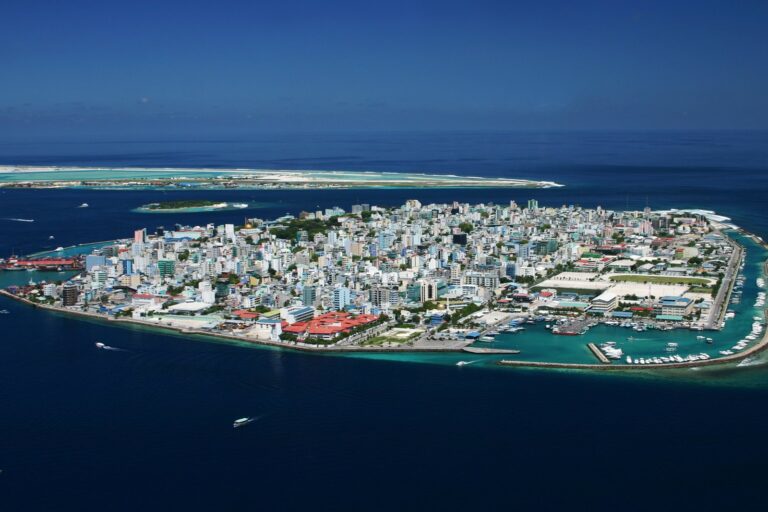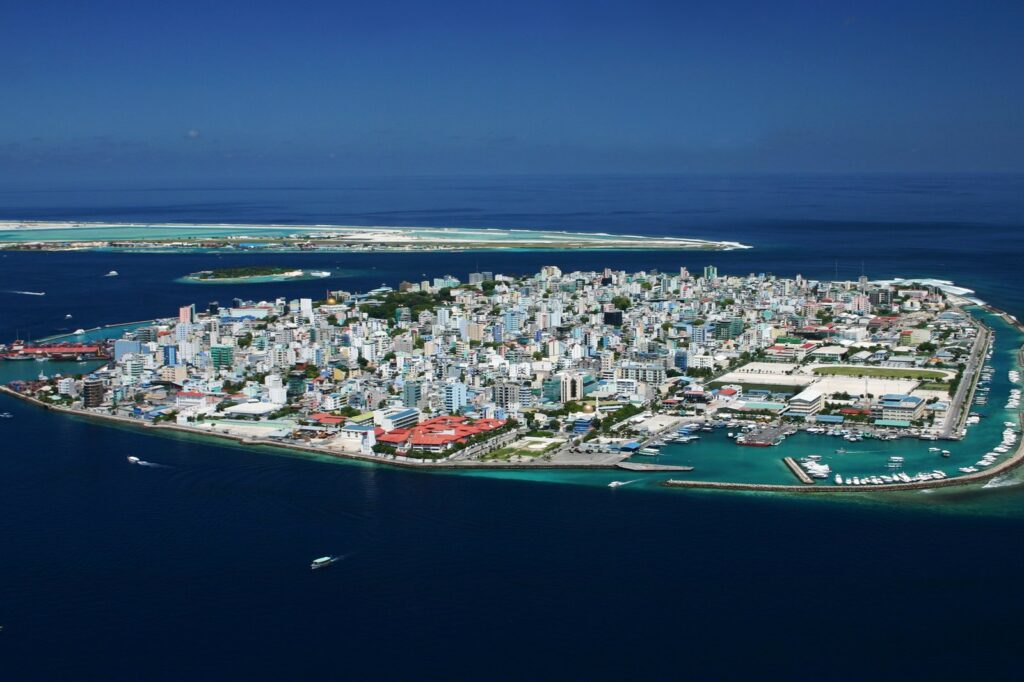
The Maldives is moving to make its ban on Israeli passport holders permanent, with President Mohamed Muizzu announcing that Israelis “will not be permitted to enter the Maldives under any circumstances.” This move is expected to affect tourism and the Maldives’ economy, as the country’s tourism industry is a significant contributor to its economy.
Background And History
The Maldives has been inhabited for over 2,500 years and has a population of 515,132, according to the 2022 census. The country’s economy is heavily reliant on tourism, with the industry contributing significantly to its revenue. In 2023, the Maldives received over 1.8 million tourist arrivals, indicating the sector’s scale. The best time to visit the Maldives is year-round, with average temperatures of around 28°C, making it an attractive destination for tourists.
How It Works
The proposed Immigration Bill provides for an unconditional ban on entry for anyone holding an Israeli passport, irrespective of changing circumstances. The government has submitted the Immigration Act amendment to the People’s Majlis, the Maldives’ legislative body. It is unclear how the proposed entry ban would affect Israeli citizens with dual nationality. The government has also submitted a separate real estate bill to parliament that would prohibit Israeli individuals and companies from investing in property developments or purchasing property in the Maldives.
The Numbers
While exact 2026 arrival figures are not available, the tourism industry is a significant contributor to the Maldives’ economy. The country’s reliance on tourism makes it vulnerable to changes in the industry, such as the ban on Israeli passport holders. The Maldives has a range of affordable resorts, with options for all-inclusive packages and hotels that can be reached via speedboat rather than expensive seaplanes.
What It Means For Families Across The Region
The permanent ban on Israeli passport holders is expected to have a significant impact on the Maldives’ economy, particularly for communities that rely on tourism. For families across the region, the ban may mean a reduction in income and economic opportunities. The Maldives’ decision to ban Israeli passport holders may also have implications for the country’s relationships with other nations and its position on the international stage. As President Muizzu stated, “We do not accept the genocide being carried out by Israel against the Palestinian people, and it is something the Maldivian people cannot accept under any circumstances.” The ban is a significant development in the region, and its effects will be closely watched by communities and families across Asia. As the Maldives navigates this new policy, it will be important to consider what it means for people in the region and how it will impact their lives and livelihoods. The Maldives’ economy will likely face challenges in the coming months, and it remains to be seen how the country will adapt to these changes, with President Muizzu’s statement being the latest development in this situation.
Sources
- Maldives
- The best time to visit the Maldives: a guide to weather, rainy season and the cheapest months
- Investigation sought after underwater confrontation in the Maldives
- In Sri Lanka and the Maldives, teachers are making climate education
- Maldives to ban Israeli passport holders, Israeli investments | The Jerusalem Post
- 6 beautiful but surprisingly affordable resorts in the Maldives
Photo: Shahee Ilyas (CC BY-SA 3.0)