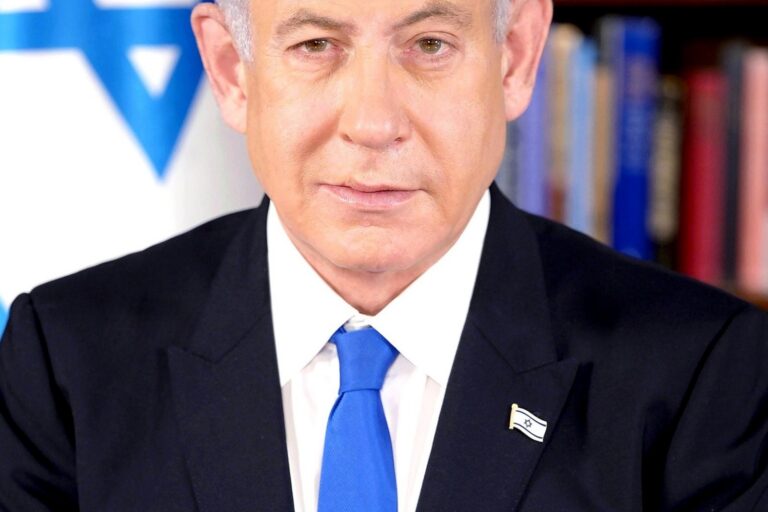
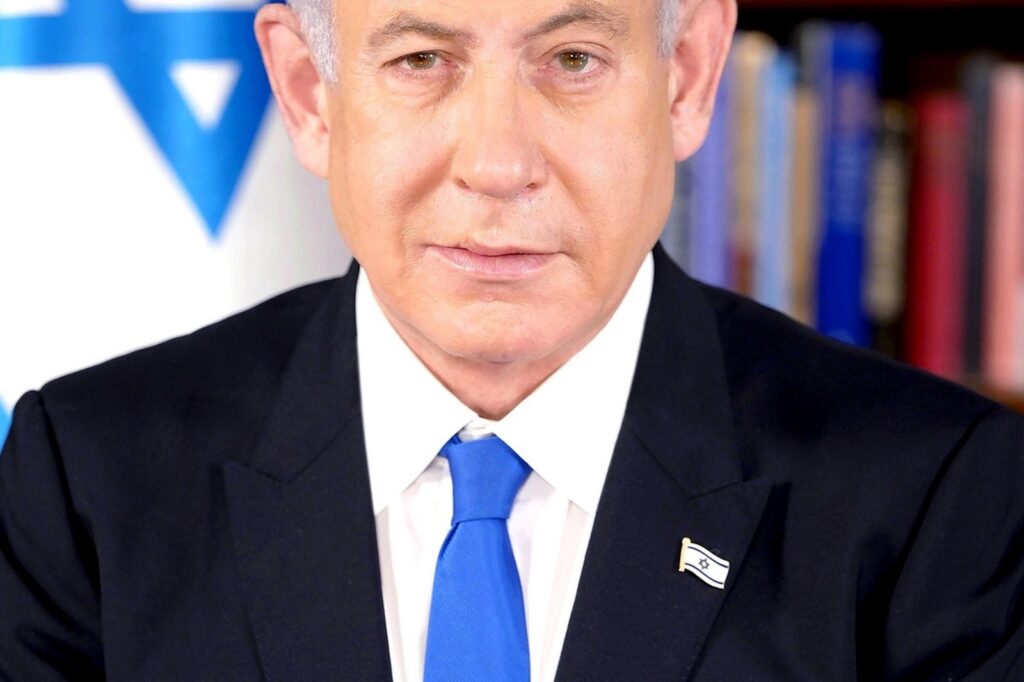
JERUSALEM, November 29, 2026 — Prime Minister Benjamin Netanyahu’s defense team has agreed to take part in talks at President Isaac Herzog’s residence to negotiate an end to the criminal proceedings that have shadowed the country’s longest-serving leader for more than six years. The move follows a dramatic court session last Wednesday in which a three-judge panel signaled deep skepticism about the bribery charges at the heart of the most serious case against him.
The Court’s Turning Point
Last Wednesday, the Jerusalem District Court panel presiding over the trial called on prosecutors to consider dropping the charges in Case 4000, known as the Bezeq-Walla affair. Presiding Judge Rivka Friedman-Feldman indicated a conviction on the bribery count was unlikely, citing “considerable difficulties” with the evidentiary foundation supporting the allegation. The judges also expressed doubts whether the actions alleged in Case 2000, involving a proposed deal with the publisher of Yedioth Ahronoth, constitute a criminal offense. Regarding Case 1000, which centers on gifts including cigars and champagne received by Netanyahu and his wife Sara, the panel said most evidence had been presented and suggested a procedural path to conclude the proceedings.
The judges stressed their comments were preliminary impressions, not a verdict, and concerned Netanyahu only. The trial, which began in May 2020, is currently in the defense evidence stage. Netanyahu is charged with fraud and breach of trust in all three cases, and bribery specifically in Case 4000. He denies all wrongdoing.
What the Cases Allege
Case 4000 is the most consequential of the three. Prosecutors allege Netanyahu granted regulatory benefits worth more than 1 billion shekels (approximately $300 million) to Shaul Elovitch, the controlling shareholder of the Bezeq telecommunications giant. In return, prosecutors say, Elovitch ensured positive coverage for Netanyahu and his family on Walla, a major news site owned by Bezeq. This case carries the sole bribery charge.
Case 2000 concerns an alleged agreement with Arnon Mozes, publisher of Yedioth Ahronoth. Prosecutors say Netanyahu offered to support legislation limiting the circulation of a rival free daily, Israel Hayom, in exchange for favorable coverage. Case 1000, often called the “gifts affair,” accuses Netanyahu and his wife of receiving luxury items from wealthy associates, including Hollywood producer Arnon Milchan and Australian billionaire James Packer, in return for political favors.
The President’s Mediation and the Defense Response
President Herzog first proposed mediated talks several months ago. At the time, Attorney General Gali Baharav-Miara responded positively, but Netanyahu and his lawyers did not engage. Earlier in the trial, lead defense lawyer Amit Hadad argued any mediation should occur within the court, not at the president’s residence. That position shifted after Wednesday’s hearing.
On Sunday, lawyers Amit Hadad, Israel Volnerman, and Noa Milstein informed Herzog’s office and the Attorney General’s office that the defense would participate. They said the trial should be concluded as quickly as possible, citing the judges’ recent remarks. Herzog’s office stated the president trusts the judicial system and believes the judges’ position should be heeded.
Prosecution Openness and Legal Mechanics
Attorney General Baharav-Miara, who was summoned by the court to attend Wednesday’s session, said the prosecution would examine the court’s remarks. She reiterated the prosecution’s readiness for an agreement that would “correspond to the nature of the alleged actions and offenses.” The judges do not have the power to drop charges themselves; that authority rests solely with the Attorney General. Any agreement would likely involve Netanyahu admitting to lesser offenses, such as fraud and breach of trust, in exchange for the state dropping the bribery charge and potentially avoiding a verdict that could carry prison time.
Political Context: A Parallel Negotiation
The legal talks unfold as Netanyahu simultaneously negotiates his political survival. Following the inconclusive October 27 election, President Herzog tasked Netanyahu’s rival, former military chief Gadi Eisenkot, with forming a government by December 6. Eisenkot has signed coalition agreements with The Democrats and Yisrael Beiteinu, edging toward a majority that could oust Netanyahu.
On Saturday, Netanyahu offered to serve as alternate prime minister in a rotation government led first by Eisenkot. The two men met at the Kirya military headquarters in Tel Aviv on Sunday for security briefings and coalition talks. However, Hebrew media reports indicate Netanyahu is insisting on remaining prime minister for an open-ended period before any rotation to manage a possible security escalation involving Iran, a condition Eisenkot has allegedly rejected. Netanyahu’s defense team’s agreement to legal talks removes one major obstacle to a unity deal, but the political standoff over the rotation timeline remains unresolved.
What Comes Next
The defense team’s acceptance of Herzog’s invitation sets the stage for direct negotiations between the Prime Minister’s lawyers and the Attorney General’s office, mediated by the President. The prosecution must now decide whether to accept the court’s implicit invitation to drop the bribery charge in Case 4000 and reconsider Case 2000. Eisenkot’s mandate to form a government expires on December 6, with a possible 14-day extension. Netanyahu told the Knesset on Wednesday, “This trial needs to end immediately.” The next moves belong to Baharav-Miara and the negotiators at the President’s residence.
Sources
- Netanyahu’s defense agrees to talks on trial — Jerusalem Post
- Netanyahu’s corruption trial: Is it really all over?
- Netanyahu gets major legal boost as court casts doubt on corruption case | CNN
- At Risk Of Losing Power, Netanyahu Makes Unity Appeal To Rival Eisenkot
- Netanyahu meets rival after offering to stand down as Israel's PM
- Netanyahu, Eisenkot Hold Coalition Talks at IDF HQ as Yashar and Bennett's B'Yachad Meet Separately
Photo: Avi Ohayon (CC BY-SA 3.0)