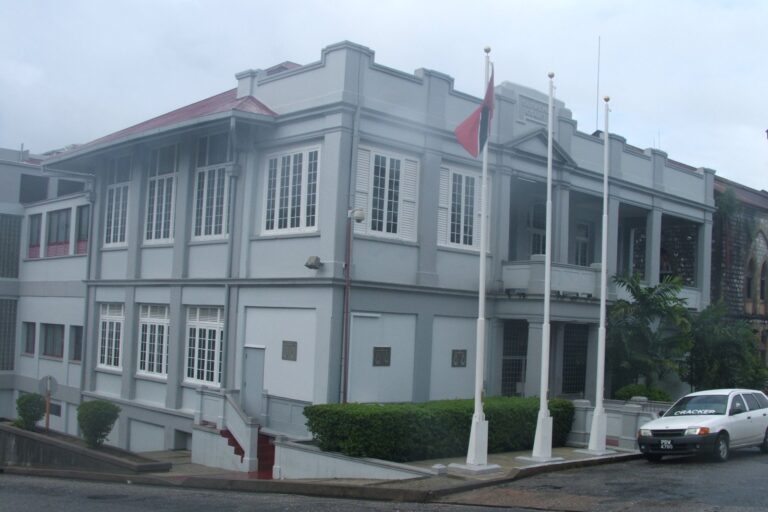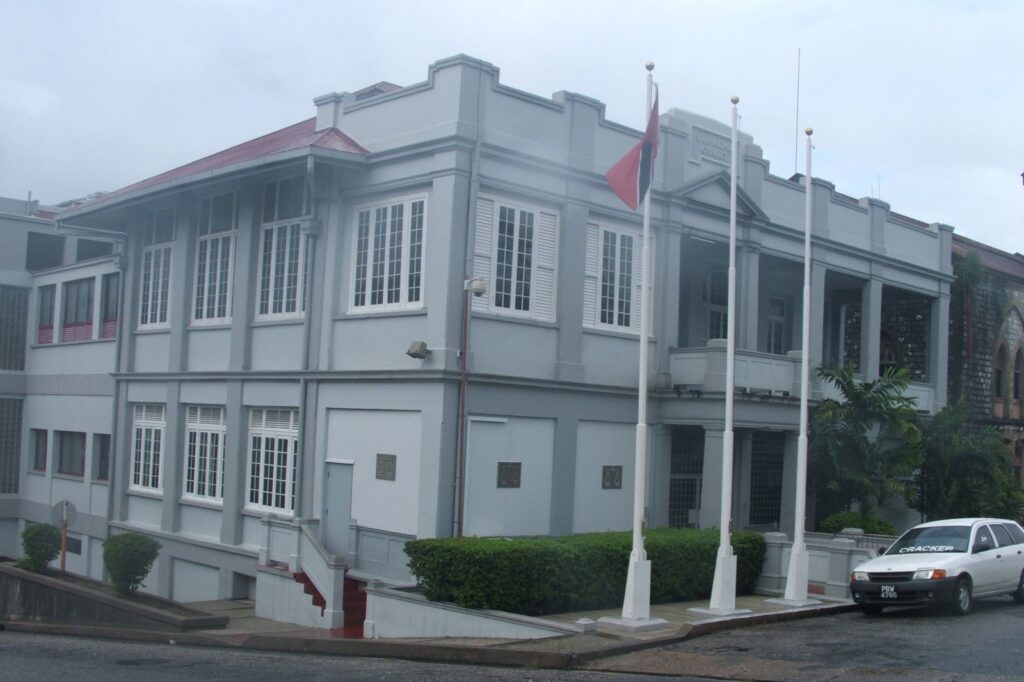
PORT OF SPAIN, November 10, 2026 — A landmark ruling from the United Kingdom’s Judicial Committee of the Privy Council has struck down Trinidad and Tobago’s colonial-era laws criminalizing gay sex, a decision that carries profound legal and social implications for communities across the Caribbean and the wider Commonwealth.
A Historic Legal Shift
The Privy Council, which serves as the final court of appeal for Trinidad and Tobago and several other nations, ruled unanimously that the country’s “buggery” and “indecency” laws were unconstitutional. The laws, which dated back to 1925 and carried prison sentences of up to five years, were deemed “not reasonably justifiable in a society that has a proper respect for the rights and freedoms of the individual,” according to Privy Council Judge Philip Sales. This ruling brings an end to an 11-year legal battle led by activist Jason Jones and marks the first time the Privy Council has ever ruled to decriminalize same-sex intimacy.
The Roots of a Decade-Long Fight
The case began in 2017 when Jones, a dual citizen living in the United Kingdom, challenged the laws, arguing they violated his constitutional rights. His fight had a long and winding path. In 2018, Trinidad’s High Court initially agreed and struck down the laws. However, the government appealed, and in 2025, the Trinidad and Tobago Court of Appeal reversed the decision, citing a legal mechanism known as a “savings law clause.” These clauses, which carried over existing British laws into newly independent states, had been used to shield the colonial-era statutes from being struck down. The government’s position was that these laws were protected by this provision.
How Colonial Laws Persisted
The “savings law clauses” functioned as a legal bridge, ensuring that British colonial legislation remained in effect after a country gained independence unless it was explicitly repealed by the new government. In Trinidad and Tobago, the government argued that these clauses protected the 1925 laws from being declared unconstitutional. Jones’s legal team countered that the government had amended the laws in 1986, making them stricter, which they argued meant the original protections no longer applied. Ultimately, the Privy Council rejected the government’s argument, paving the way for the laws to be overturned.
A Regional Context: Numbers and Nations
Prior to this ruling, Trinidad and Tobago was one of approximately 34 Commonwealth countries that continued to criminalize homosexuality based on colonial-era British laws. These laws are not just historical relics; in some jurisdictions, they carry the death penalty. In the Caribbean specifically, several other nations, including Jamaica, Guyana, Grenada, and Saint Vincent and the Grenadines, maintain similar restrictions on same-sex intimacy. The ruling in Trinidad and Tobago, therefore, does not just affect one nation; it provides a powerful legal precedent for activists and families across the region who are fighting for their basic rights.
Broader Implications for LGBTQ+ Rights
The impact of the Privy Council’s decision extends far beyond the courtroom. For communities and families across the region, the ruling sends a powerful message that LGBTQ+ people are not criminals in their own countries. It directly challenges the way homophobia has been used to marginalize and discriminate. Human rights campaigners believe this judgment will have a “domino effect,” inspiring similar legal challenges in other countries where the Privy Council is the highest court of appeal. As activist Jason Jones himself noted, the fight for equality is long, but this is a critical step forward for people who have long been told they are less than equal.
“We may not see the benefits of this for 50 years,” Jones said in an interview after the hearing. “What a judgment says in a courtroom and what happens in your home and workplace are two entirely different things. I don’t focus on changing hearts and minds. I have done this for my community, for our hearts and minds, so that we can stand proudly and at least say we are not criminals.”
Sources
- Trinidad and Tobago
- A gay sex ban is overturned in Trinidad and Tobago. What the ruling says about LGBTQ+ rights and post-colonial identity | CNN
- Trinidad and Tobago Coast Guard searches for at least 5 missing after boat crash
- Activist wins 10-year fight against homophobic Trinidad and Tobago laws
- Top U.K. appeals court rules gay sex not a crime in the Caribbean nation of Trinidad and Tobago
- Anti-gay laws in Trinidad and Tobago overturned
Photo: Kalamazadkhan (CC BY-SA 3.0)