The founding father of the Fiesta Bowl died at 98 after a career defined by community influence. His creation, a postseason game launched in the Phoenix desert in 1971, grew into a mechanism that reshaped how college football crowns a champion and how a bowl organization invests in the city around it.
Origins in the Desert
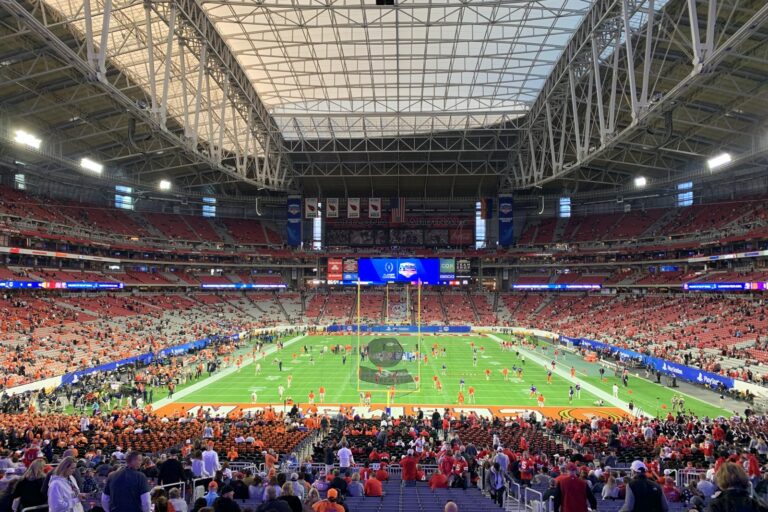
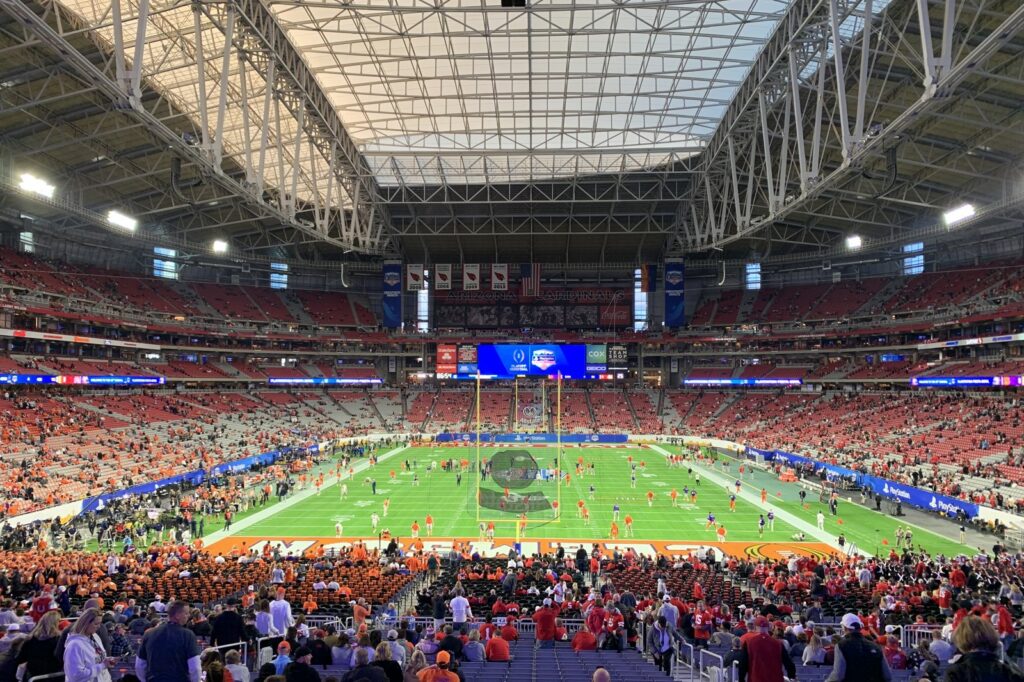
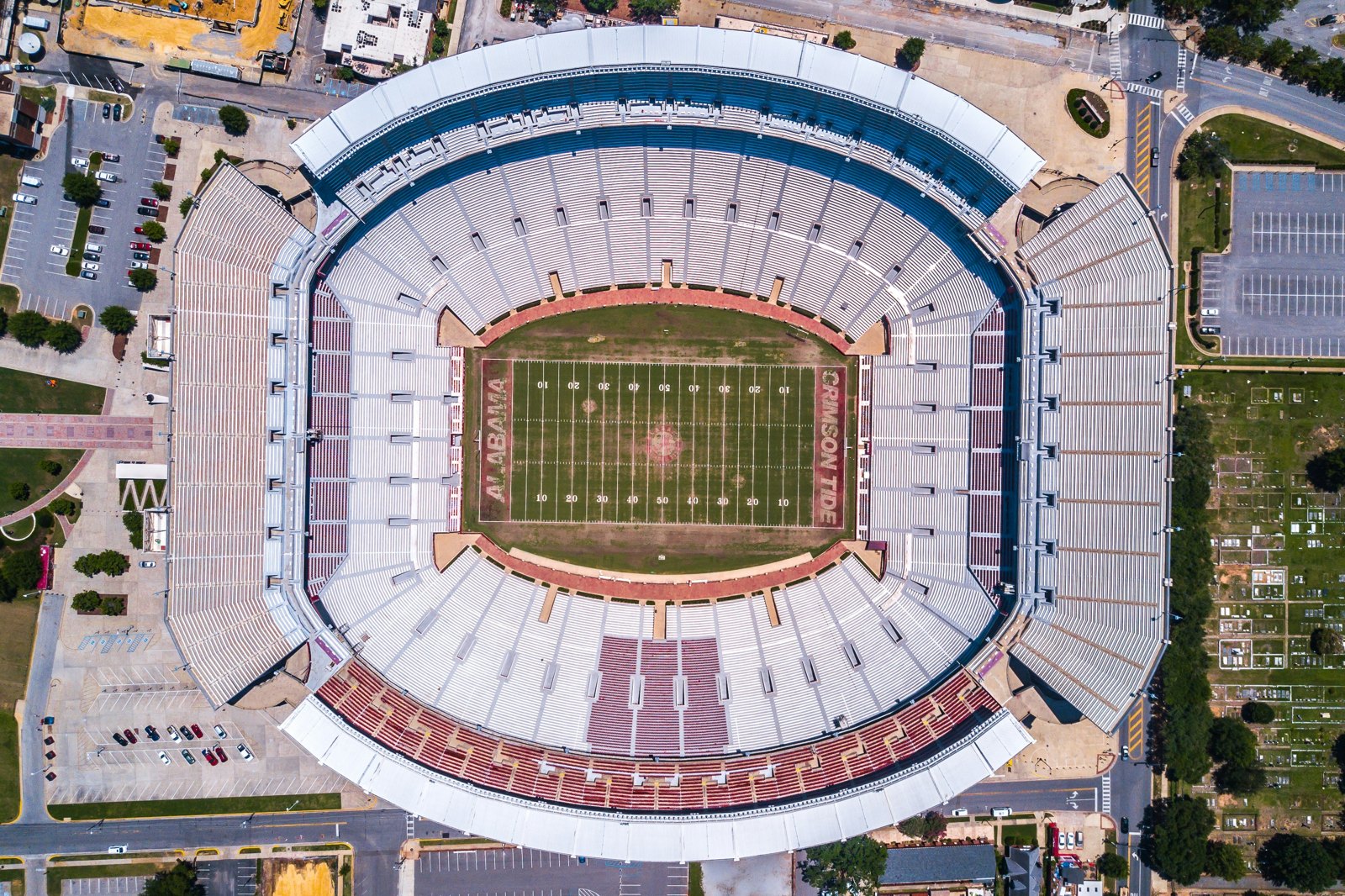
The Fiesta Bowl began as an annual college football bowl game played in the Phoenix metropolitan area in 1971. For its first 35 editions, the game called Sun Devil Stadium in Tempe home, anchoring the event on the Arizona State University campus.
Corporate naming rights tracked the game’s rising profile. Sunkist sponsored the early years from 1986 to 1990, followed by IBM, then Tostitos for nearly two decades until 2014. Shorter deals with Vizio, BattleFrog and PlayStation bridged the gap to the current title sponsor, Vrbo, which took over in 2022.
Building Stature Without a Conference Anchor
Unlike the Rose or Sugar Bowls, the Fiesta Bowl did not start with a power-conference lock. For its first nine editions, the Western Athletic Conference champion received the automatic invitation. That independence became leverage. During the late 1980s, organizers used the lack of mandatory tie-ins to stage two de facto national championship games, matching independents and teams from conferences without bowl obligations. Those matchups vaulted the Fiesta Bowl into the sport’s premier tier.
The bowl later secured a tie-in with the newly formed Big 12 Conference in 1997, a relationship that lasted until the Big 12 moved to the Sugar Bowl in 2014.
Engineering a National Championship System
In 1992, the Fiesta Bowl joined the Bowl Coalition, the first organized attempt to force a true national title game outside the traditional conference contracts. It remained the championship host through the Bowl Alliance and into the Bowl Championship Series era. From 1992 to 2006, the Fiesta Bowl served as the national championship game for those systems in the 1996, 1999 and 2002 seasons. The Phoenix metropolitan area and the Fiesta Bowl Committee also hosted standalone BCS National Championship Games in 2007 and 2011, separate from the annual Fiesta Bowl contest.
When the College Football Playoff replaced the BCS in 2014, the Fiesta Bowl joined the “New Year’s Six” rotation. It served as a semifinal host in the 2016, 2019 and 2022 seasons. With the playoff expanding to 12 teams for the 2024-25 season, the bowl’s role rotates: it operated as a quarterfinal for the 2024 season and will serve as a semifinal for the 2025 season, played one week after New Year’s Day.
Community Investment and the Flag Football Frontier
The Fiesta Sports Foundation, the nonprofit arm of the bowl organization, has directed more than $12 million to charity since inception, including $1 million in emergency relief during the COVID-19 pandemic in 2020. In April 2026, the foundation launched the Fiesta Bowl Flag Football Classic, a two-day, 7-on-7 showcase for NCAA Division I women’s programs at Arizona State’s Fields at Dorsey in Tempe. Defending champion University of Central Florida defeated Florida 19-7 in a championship game televised on ESPNU.
The second edition is scheduled for April 10-11, 2027, at Arizona Athletic Grounds in Mesa. The field expands to eight teams split evenly between club programs that built the sport — Arizona State, Florida, Georgia and UCF — and four first-year varsity programs: Cal Poly, Eastern Michigan, UT Arlington and Nebraska, the only Power Four school currently sponsoring women’s flag football as a varsity sport.
The tournament arrives at a pivot point. The NCAA designated women’s flag football an Emerging Sport for Women in January 2026. Member schools will vote at the January 2027 NCAA Convention on elevating it to a full championship sport, with a projected first NCAA championship in spring 2028 — the same year flag football debuts at the Los Angeles Olympic Games. Foundation Executive Director Erik Moses said the event was built to “celebrate where women’s flag football has been and help lead where it’s going”.
Grassroots investment runs parallel. The foundation launched the Copper State Invitational for high school girls in 2025, sponsors an All-State flag football team and serves as a presenting partner of the Arizona Interscholastic Association girls flag football state championships. The NFHS reported more than 100,000 girls played high school flag football in the 2025-26 school year across 25 sanctioning states.
Sources
- Fiesta Bowl
- Fiesta Bowl Flag Football Classic presented by Oakley Returns for Year Two as Only National College Flag Football Event for Division I Universities – Fiesta Sports Foundation
- UT Arlington Selected for 2027 Fiesta Bowl Flag Football Classic – University of Texas Arlington Athletics
- EMU Selected to Play in Fiesta Bowl Flag Football Classic – Eastern Michigan University Athletics
- Cal Poly Flag Football Earns Invitation to 2027 Fiesta Bowl Flag Football Classic – Cal Poly
- Fiesta Bowl Flag Football Classic Announces 2027 Lineup
Photo: Blervis (CC BY-SA 4.0)