
RICHMOND, November 12, 2026 — The Virginia Crime Commission has recommended that Flock Safety’s automated license‑plate‑reader (ALPR) data be shared with federal agencies without a warrant when “time is of the essence,” reigniting a national debate over whether such warrantless access violates the Fourth Amendment.
Commission Recommendation and Its Scope
The commission’s report urges state and local officials to allow federal law‑enforcement partners to pull Flock’s ALPR scans in emergencies without judicial oversight, arguing that the speed of data retrieval can be critical to public safety. The recommendation does not mandate the policy but signals a push for legislative changes that would let agencies bypass the warrant requirement.
How Flock’s Network Operates
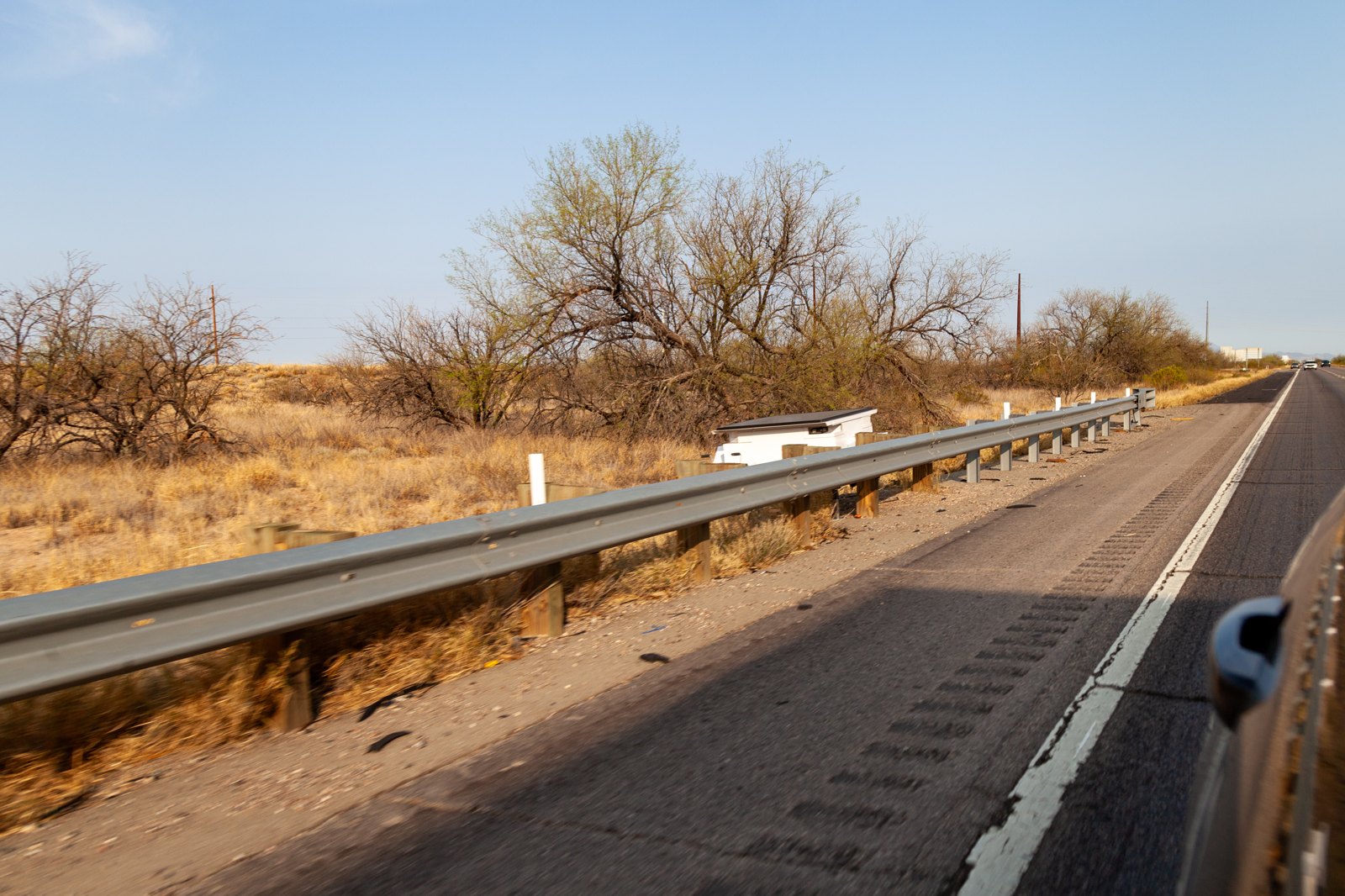
Flock Safety runs more than 120,000 cameras in 6,000 communities across all 50 states, performing over 20 billion vehicle scans each month as of July 2026. The cameras capture every license plate that passes, creating a searchable database of location‑time stamps that can be queried by law‑enforcement partners. “Evidence Mode,” a feature announced in November 2026, lets agencies preserve records tied to active investigations without expanding retention across the whole database.
Fourth Amendment Context
The Supreme Court’s 2018 decision in Carpenter v. United States held that long‑term cell‑site location data requires a warrant, but the Court has not yet ruled on ALPR data. In June 2024, a Norfolk, Virginia judge ruled that collecting location data from the city’s 172 Flock ALPRs without a warrant constituted an illegal search, likening the practice to tracking devices deemed unconstitutional in United States v. Jones. That ruling remains a key reference point for privacy advocates.
Industry Stance on Warrants
Flock’s policy director Andrea Korb told an R Street Institute webinar that requiring warrants would “burden law enforcement and substantially reduce the technology’s effectiveness.” The company has reduced its recommended default data‑retention window from 30 days to seven days, though existing customers are not forced to adopt the shorter period. Flock also plans to require law‑enforcement users to log case codes for searches by year‑end, with emergency queries still able to bypass the requirement.
State and Local Pushback
Municipalities across the country have begun pulling back. At least 25 Massachusetts towns have canceled or paused Flock contracts since March 2025, and Boston ended its partnership after discovering that license‑plate data was leaked to police despite contractual prohibitions. In Michigan, Oakland County’s sheriff’s office and parks department terminated their agreements amid concerns over undisclosed vendor‑paid trips and privacy. Columbia, Missouri’s city council voted 5‑2 to stop automatic renewal of Flock contracts after residents voiced long‑standing worries about data handling.
Legislative and Judicial Outlook
Congress is considering bills that would tighten regulation of ALPRs or ban them outright, reflecting growing scrutiny of mass‑surveillance tools. State regulators are also weighing proposals that would impose warrant requirements, as privacy analyst Emily Grimmius drafts Utah legislation mandating warrants for ALPR searches except in emergencies. The Virginia Crime Commission’s recommendation adds pressure on state lawmakers to decide whether to codify warrantless federal access.
What It Means for Everyday Drivers
With Flock’s cameras covering roughly half of all U.S. households in urban areas, a vehicle’s movements can be logged at any intersection equipped with an ALPR. If the Virginia recommendation becomes law, federal agents could retrieve that data instantly in “time‑sensitive” cases, potentially sidestepping the judicial check that the Fourth Amendment traditionally provides. Critics argue that post‑search audits, like those advocated by Flock, do not prevent privacy violations before they occur.
By nightfall, the debate in Richmond mirrors a broader national reckoning: whether the promise of rapid, data‑driven policing outweighs the constitutional guardrails designed to protect citizens from unwarranted surveillance.
Sources
- Flock Safety
- What We Know – and Don’t Know – About Flock’s License Plate Cameras
- Amid increased restrictions across Massachusetts regarding partnerships with Flock Safety, Tufts continues to use ALPR technology – The Tufts Daily
- Oakland County Sheriff's Office ends Flock Safety drone contract; Parks drop license plate readers
- Flock Safety Wants Surveillance Rules, But Not Warrants
- Columbia Ward 2 Council Member defends sudden Flock vote, says residents have raised concerns for years
Photo: Epicdeflocker64 (CC0)