PORT-AU-PRINCE, November 12, 2026 — El Salvador has deployed more than 2,000 troops to Haiti and carried out helicopter strikes against the 400 Mawozo gang, while the group’s leader Wilson Joseph has appealed to the United Nations and Haiti’s disarmament commission for mediated dialogue. The competing moves come as the UN confirms most Salvadoran personnel operate outside authorized monitoring mechanisms, raising questions about accountability in a country where gang violence has killed at least 5,519 people since March 2025.
Salvadoran Deployment Follows Disappearance of Technicians
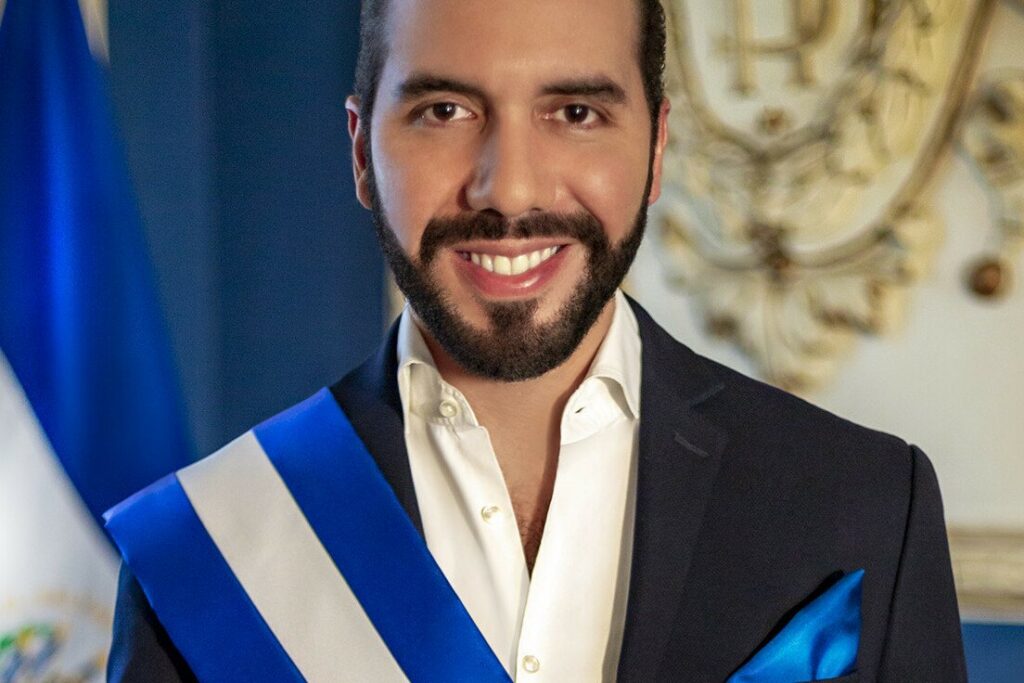
El Salvador’s military surge began after four Salvadoran aviation technicians serving with the UN-backed Gang Suppression Force disappeared in an ambush in Plaine du Cul-de-Sac on October 18. President Nayib Bukele responded by sending troops and issuing an ultimatum to the gangs. On November 11, Bukele posted videos online claiming his forces had destroyed the 400 Mawozo gang’s headquarters in Haiti.
The UN has since clarified that the vast majority of deployed Salvadoran personnel are not part of the authorized Gang Suppression Force and fall outside UN monitoring mechanisms, according to spokesperson Stéphane Dujarric. This distinction places most of the foreign force beyond the oversight framework established for the international security mission.
Gang Leader Seeks UN Mediation Amid Offensive
As Salvadoran troops joined Haitian police and the Gang Suppression Force in operations in the Cul-de-Sac plain, 400 Mawozo leader Wilson Joseph — also known as Lanmò Sanjou — sent a letter to UN Secretary-General António Guterres on November 1 requesting a delegation for dialogue and mediation. The UN confirmed receiving the letter but stressed that receipt implied neither recognition nor endorsement.
In the letter, Joseph warned that Bukele’s “vengeful remarks, expectations, and threats” could lead to “a logic of reprisals, of which the Haitian people would be the first victims.” The gang also contacted Haiti’s National Commission for Disarmament, Demobilization, and Reintegration seeking peace negotiations and called for a suspension of military operations in certain areas to allow discussions. The commission acknowledged contact but said any dialogue must follow the government’s roadmap.
Human Rights Concerns Mount Over Non-UN Forces
Amnesty International has called on Haiti’s Prime Minister Alix Didier Fils-Aimé and President Bukele to ensure all operations comply with international human rights law and to make the deployment agreement public. The organization’s Americas Director, Ana Piquer, said the Haitian population has the right to live free from violence and fear, warning that security operations can exacerbate risks for communities already facing a profound humanitarian crisis, particularly when conducted near homes, schools and hospitals.
Amnesty urged both governments to establish effective safeguards, explain rules governing the use of force, clarify accountability structures, and create mechanisms for people to report violations without fear of reprisals. The organization also demanded prompt, independent investigations into any allegations of human rights violations.
Gang Coalition Controls Territory Amid Deepening Crisis
The Viv Ansanm gang coalition, designated a terrorist organization by the U.S. in 2025, functions like an army controlling much of the country, including large parts of Port-au-Prince. UN data shows at least 5,519 people were killed and 2,608 injured in gang-related violence between March 2025 and January 15, 2026, with 1.4 million internally displaced.
Haiti’s population of 11.4 million has endured a collapse of state institutions. The presidency has been vacant since the assassination of Jovenel Moïse in July 2021, while the National Assembly and judiciary have been rendered inoperative. Recent joint operations have killed prominent gang leaders, including Mathias of the Boston gang in Cité Soleil, but the security vacuum remains profound.
Questions of Legal Framework and Accountability
The deployment raises fundamental questions about the legal framework governing foreign military operations in Haiti. With most Salvadoran troops operating outside the UN mandate, the mechanisms for oversight, rules of engagement, and accountability remain unclear. Secretary of State Marco Rubio has emphasized the need for “de-confliction” to prevent friendly fire incidents between the Gang Suppression Force and Salvadoran soldiers.
Bukele points to El Salvador’s 2025 homicide rate of 1.3 per 100,000 inhabitants as proof his model can work in Haiti. However, analysts note Haiti lacks the supporting institutions — a functional prosecutor’s office, robust judiciary, and high-security prison system — that underpinned El Salvador’s approach. The four missing Salvadoran technicians remain unaccounted for, with El Salvador believing they are alive while Haiti says they were abducted.
Sources
- Haiti
- Haiti: The governments of Haiti and El Salvador must ensure that the deployment of Salvadoran military personnel respects human rights
- El Salvador’s Presence and a Gang’s Offer Test Haiti’s Security
- Powerful Haitian gang reaches out to state disarmament group as gunfights persist
- Salvadoran forces attack compound linked to gang in Haiti | CNN
- Opinion – Nayib Buekele’s fight in Haiti: New hope, or greater havoc?
Photo: AndreX (CC BY-SA 4.0)