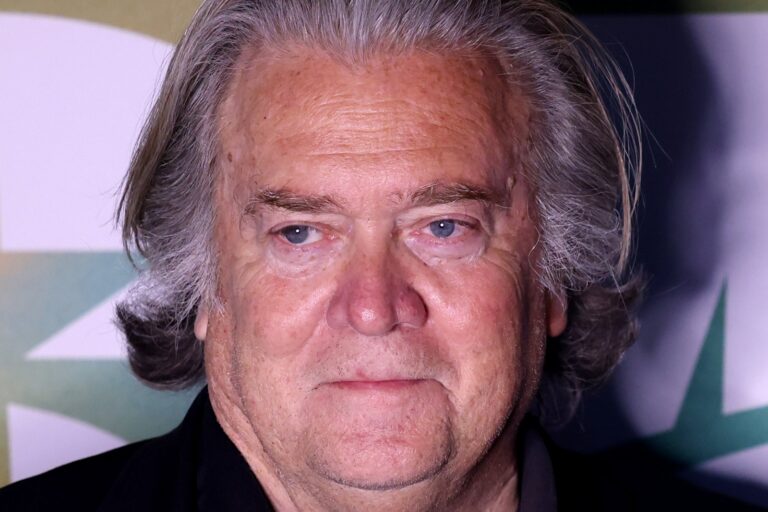
WASHINGTON, November 12, 2026 — The Justice Department has asked a federal court to drop the contempt of Congress case against Steve Bannon and erase his conviction, arguing the move serves the interests of justice. The request mirrors a broader pattern in which the department has sought to vacate convictions of senior January 6 defendants without opposition from the defense.
Prosecutorial Discretion and Executive Privilege
In a court filing last week, Deputy Associate Attorney General Michael Weisbuch wrote that pursuing the case against Bannon is no longer appropriate because Bannon asserted he was protected by executive privilege. Weisbuch argued that the court lacks authority to reject an unopposed motion to dismiss and that policy-laden grounds for dismissal are not susceptible to judicial second-guessing. Bannon’s lawyers do not oppose the motion.
A Pattern of Unopposed Dismissals
The Bannon filing follows a similar effort in April, when the DOJ moved to vacate the convictions of about a dozen leaders and deputies of the Oath Keepers and Proud Boys. Those seditious conspiracy convictions resulted from months-long trials detailing how extremists gathered weapons, recruited followers, and breached the Capitol. President Trump pardoned the vast majority of January 6 defendants on his first day back in office, calling them patriots. For the most senior extremist leaders, the administration chose the “interests of justice” rationale rather than pardons.
Absence of Adversarial Testing
Legal experts and former prosecutors warn that the maneuver eliminates the adversarial process central to the U.S. legal system. Bruce Searby, a defense attorney and former federal prosecutor, said no adversity remains in a serious, high-profile criminal matter where the Justice Department acts at the behest of the president and the defendant is a close political ally. Searby argued the judge should not accept the DOJ argument at face value and that an outside lawyer could assess whether the dismissals amount to an abuse of prosecutorial discretion.
Judicial Reluctance and Congressional Pushback
Lawyers for Rep. Jamie Raskin, who served on the House Select Committee investigating January 6, urged federal appeals courts to appoint an amicus curiae to defend the convictions. They cited precedent from the Michael Flynn and Eric Adams cases where judges named outside counsel to evaluate dismissal bids. Judges ultimately dismissed the January 6 charges without appointing a friend of the court. U.S. District Judge Amit Mehta wrote that the outcome diminishes the gravity of that day, denigrates the work of prosecutors and law enforcement, and excuses criminal acts that caused the peaceful transfer of power to buckle.
Next Steps Before Judge Nichols
The Bannon motion now sits before U.S. District Judge Carl Nichols, who presided over Bannon’s 2022 trial. A trial jury deliberated less than three hours before delivering a guilty verdict, and a federal appeals court upheld that conviction. Searby said dismissing the case should not be a foregone conclusion.
Sources
- Both sides now? Critics slam DOJ moves to dismiss convictions of Trump allies
- DOJ Moves to Dismiss Bannon and January 6 Leader Convictions Citing Interests of Justice
- Both sides now? Critics slam DOJ moves to dismiss convictions of Trump allies
Photo: Gage Skidmore from Surprise, AZ, United States of America (CC BY-SA 4.0)