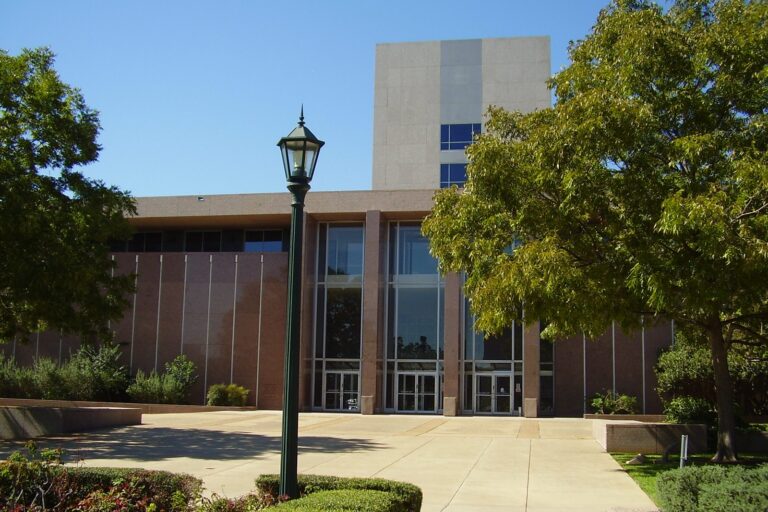
LANSING, November 15, 2026 — A recent case of elder financial abuse in Revere, where a woman allegedly bilked an ailing 85-year-old out of $1 million in a farmland hoax, highlights the need for awareness and protection of elderly individuals from financial exploitation. As this case demonstrates, elder financial abuse can happen to anyone, and it is essential to recognize the warning signs and understand the legal mechanisms in place to prevent such abuse.
Defining Elder Financial Abuse
Elder financial abuse is defined by the Older Americans Act of 2006 as the fraudulent or improper act by an individual, including a caregiver or fiduciary, that uses the resources of an older individual for personal benefit. This type of abuse can take many forms, including the use of money or property without permission, forging signatures, and coercing seniors to sign over deeds or wills. According to experts, more than half of the time, the perpetrator of financial fraud against an older adult is a family member.
Warning Signs Of Financial Abuse
Residents describe the warning signs of financial abuse as including unpaid bills, missing money, strange purchases, and unusual activity with financial accounts. Drastic changes in estate planning documents, such as removing a trusted family member, can also indicate exploitation. Other red flags include adding new joint owners to accounts or adding agents to a durable power of attorney when the victim struggles to meet basic needs. By nightfall, the scene is often one of financial devastation, leaving the elderly individual with significant losses and a sense of vulnerability.
The Statistical Reality
On the ground, the statistics are alarming. Adult Protective Services investigated 23,879 of those referrals and substantiated about 40% of the cases. Many elder abuse incidents go underreported because older adults rely on relatives or caregivers for daily needs like meals, transportation, and personal care. As a result, fear and dependence can prevent victims from speaking out, making it essential for community members to be vigilant and report suspicious activity.
Protective Legal Measures
Consumer protection experts recommend several legal mechanisms to protect elderly individuals from financial exploitation. These include monitoring financial accounts for unusual activity, being cautious of drastic changes in estate planning documents, and verifying the identity of individuals claiming to represent the elderly person’s interests. Experts also advise elderly individuals to have a trusted friend or family member manage their accounts and to be aware of any large withdrawals or suspicious transactions. By taking these precautions, elderly individuals can reduce their risk of financial exploitation and protect their assets.
As the population ages, the need for awareness and protection of elderly individuals from financial exploitation will only continue to grow. By understanding the warning signs and legal mechanisms in place, community members can play a critical role in preventing elder financial abuse and ensuring that vulnerable adults are protected from exploitation. The next scheduled review of the Older Americans Act is set for 2027, and experts hope that it will include strengthened protections for elderly individuals against financial abuse.
Sources
- Revere Woman Indicted in $1M Romance Fraud Case
- Elder financial abuse
- Many elder abuse incidents go underreported, experts say
- Experts offer tips for catching fraud against elderly people
- ‘It leaves me with a sour taste’: My elderly mother gave our cousin $800 for a car repair. Should I be worried?
- Who protects elderly when blood ties become death traps?
Photo: Office of Massachusetts Attorney General Andrea Campbell (Public domain)