
The federal government is preparing for the state funeral of former President Jimmy Carter, with January 9, 2025, designated as a national day of mourning and a federal holiday. President Joe Biden issued the declaration following Carter’s death on December 29 at his home in Plains, Georgia. At 100 years and 89 days old, Carter was the longest-lived U.S. president and the first to reach the age of 100.
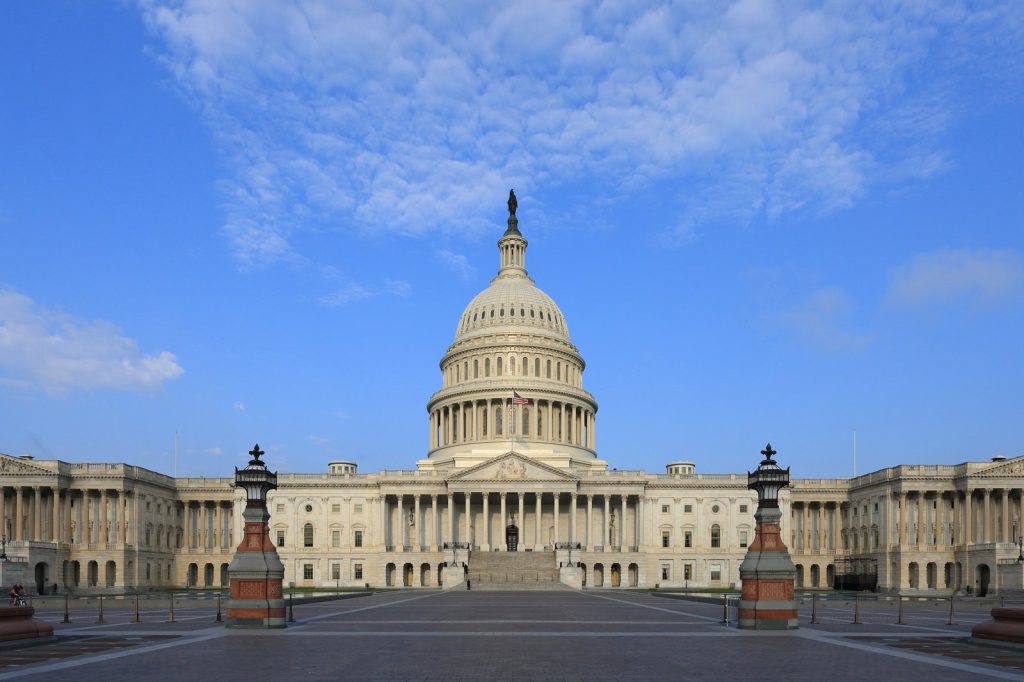
The state funeral will involve extensive logistical planning. Carter’s casket will be transported from Georgia to the United States Capitol, where he will lie in state in the Capitol Rotunda. Military honor guards will be present, and thousands of Americans are expected to file past the casket. The Secret Service will implement a security lockdown across large portions of Washington, D.C., while Capitol Police manage crowds that could extend for blocks. For a city already under heightened security, this adds a layer of planning that takes weeks to complete.
The federal holiday on January 9 will close most government offices. Postal delivery will be suspended, federal courts will be shut, and national parks and museums operated by the federal government are expected to close. Hundreds of thousands of federal employees will receive an unexpected paid day off. For the private sector, observance of the holiday is voluntary, with some companies following the federal lead and others choosing not to.
World leaders are sending condolences, a diplomatic ritual that carries significance. Each statement is analyzed for its tone, and any absence at the funeral will be noted. Carter’s post-presidential work, including his 2002 Nobel Peace Prize, housing initiatives, and disease eradication campaigns, created a global network of contacts. Foreign dignitaries will travel to Washington, and the State Department is coordinating their arrivals, security clearances, and motorcades.
For the Carter family, public mourning is now underway. Carter had been in hospice care for nearly two years, with his family present throughout. Although they had time to prepare, a state funeral is a public event broadcast on television. Every camera angle, eulogy, and moment of silence will be watched by millions, requiring the family to navigate this scrutiny.
Plains, Georgia, will experience immediate changes. Carter lived there his entire life, taught Sunday school there, and returned after his presidency. His home, now a historic site managed by the National Park Service, will become a focus for reporters, tourists, and mourners. The town, with fewer than 800 residents, will see increased business activity and road congestion.
The political implications are significant. Carter, a Democrat who lost reelection in 1980, was initially viewed as a failed president, but history has been more favorable. His post-presidency, marked by active humanitarian engagement, redefined expectations for former presidents. Every living former president, including Biden, Trump, Obama, Clinton, and Bush, will be measured against this legacy.
The timing of the funeral adds complexity. January 9 falls just 11 days before the 2025 presidential inauguration. The transition of power is already in progress, and a state funeral in the middle of it compresses schedules. Security planning for both events will overlap, straining the same resources in the same city during the same week.




