A New Tactic in an Old War
The raid that netted Meza Flores was a stark departure from the early days of Mexico’s drug war, which began in 2006 with President Felipe Calderón’s Operation Michoacán. That operation deployed tens of thousands of federal troops and police in a militarized campaign against the cartels. The strategy, however, had a predictable outcome: the arrests and killings of cartel leaders caused cartels to splinter into smaller, more violent factions, escalating turf wars and contributing to rising homicide rates nationwide. By the end of Calderón’s administration in 2012, the official death toll of the Mexican drug war was at least 60,000.
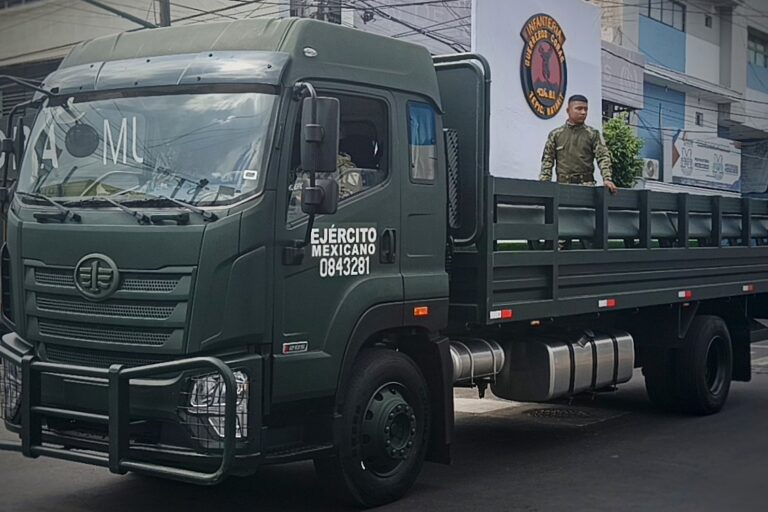
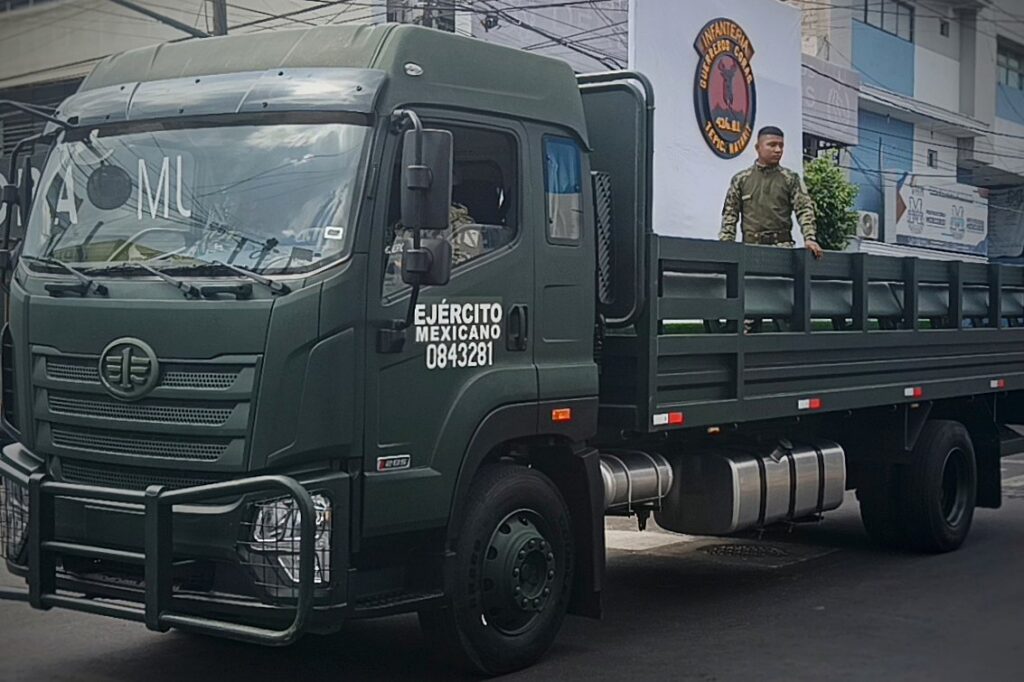
The operation against Meza Flores, by contrast, relied on elite military forces with US intelligence support, employing drones, surveillance, and diversionary tactics over weeks. This shift toward intelligence-led, elite-unit operations represents a tactical evolution, moving away from the large-scale troop deployments of the past in favor of precision strikes designed to target specific high-value individuals.
The Cycle of Decapitation and Fragmentation
Meza Flores’s capture is the latest chapter in a long history of leadership decapitation in Mexico’s drug trade. Félix Gallardo’s 1989 arrest led to the fragmentation of the Guadalajara Cartel into the Sinaloa, Tijuana, Juárez, and Gulf cartels. Analysts estimate wholesale earnings from illicit drug sales in Mexico range from $13.6 to $49.4 billion annually, a powerful incentive that ensures the drug trade persists regardless of who is at the top.
Meza Flores himself rose through the ranks of this fractured landscape. He was a leader of the Beltrán Leyva drug trafficking organisation, which split from the Sinaloa Cartel in 2008. That split, according to the US Treasury Department, set off a bloody regional war. The Beltrán Leyva organization, founded by Arturo Beltrán Leyva and his brothers, was considered “one of the most ruthless and brutal in the way they dispose of their enemies,” according to the US State Department. Meza Flores later became the leader of his own group, the Meza-Flores criminal organisation.
What Comes Next
The question now is whether Meza Flores’s capture will break the cycle of violence or simply accelerate it. His arrest comes with a significant human cost; four Mexican army infantry soldiers were killed in the operation, and the defense ministry stated that seven attackers were killed and eight alleged criminals were arrested. The operation also triggered a wave of violence in the state of Sinaloa by nightfall, with armed clashes reported between security forces and cartel members.
Meza Flores, 44, was on the FBI’s 10 Most Wanted list with a $5 million reward, accused of trafficking heroin, methamphetamine, cocaine, fentanyl, and marijuana into the US. His alleged syndicate, the Meza-Flores Transnational Criminal Organization, has used violence and intimidation to build a criminal empire spanning dozens of countries. The next steps for Mexican authorities will likely involve extradition proceedings to the United States and a tense period of succession within the fractured criminal organizations he once led, a process historically marked by increased bloodshed as factions vie for power.
Sources
- Mexican drug war
- Mexican drug lord Miguel Ángel Félix Gallardo dies age 80
- Alleged Mexican drug cartel boss ‘El Chapo Isidro’ arrested in special forces raid
- Mexico’s Guadalajara cartel founder dies in hospital aged 80
- El Chapo Isidro: Who is the Mexican drug kingpin captured this weekend?
- Drones, texts and diversions: How Mexico captured a most wanted man
Photo: Ioachim IV (CC BY 4.0)