WASHINGTON, D.C., November 21, 2026 — A federal ban on hemp products containing more than 0.4 milligrams of total THC per container takes effect December 11, threatening to shutter a multi-billion dollar industry overnight. The measure, tucked into a 2024 appropriations bill, has sparked bipartisan resistance from states where the trade has become a major economic engine.
The Loophole That Built an Industry
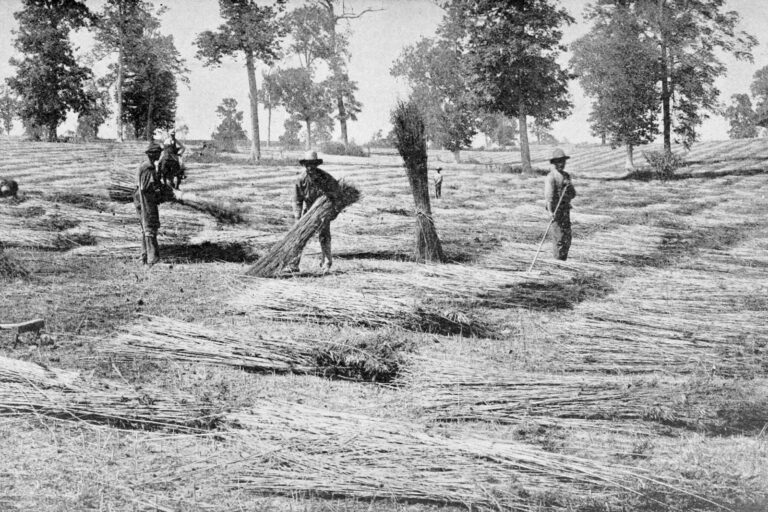
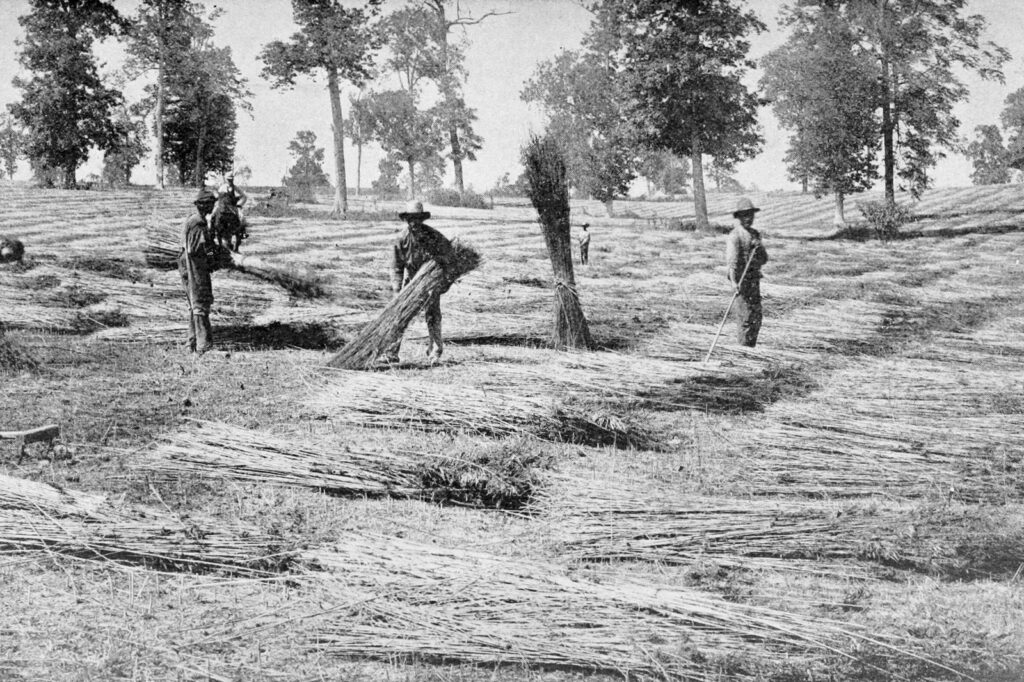
The 2018 Farm Bill defined hemp as Cannabis sativa with no more than 0.3 percent delta-9 THC by dry weight. Senator Mitch McConnell of Kentucky authored the provision intending to revive fiber and grain production. The language, however, did not account for intoxicating derivatives like delta-8 THC synthesized from legal hemp. Entrepreneurs quickly exploited the gap, flooding the market with seltzers, gummies, and vapes that produce a high chemically similar to marijuana.
Typical THC seltzers contain 2 to 10 milligrams of THC per container — five to 25 times the new federal limit. By 2026, Whitney Economics estimated the national hemp-derived cannabinoid market generated between $30.2 billion and $38.7 billion in annual revenue.
States Push Back on Congressional Overreach
Kentucky Governor Andy Beshear, a Democrat, called it “wild” that a Kentucky senator helped create a program “he’s now killing.” Beshear argues the Commonwealth should regulate hemp products itself, citing the state’s industrial-scale production capacity. In North Carolina, the industry supports more than 16,000 workers and is worth $3.2 billion, according to an economic analysis cited by Carolina Public Press.
Massachusetts faces the loss of 30,000 jobs and $300 million in tax revenue, according to Steve Reilly, head of government relations for the cannabis company Insa. He noted 76 percent of the public supports the state’s program. In Minnesota, Northern Diversified Solutions remains one of the last in-state THC distillers; its collapse would topple the entire retail supply chain, CEO Kyle Marinkovich said.
Gas Stations Are Not the Market
New data from Whitney Economics undercuts the narrative that gas stations drive the hemp economy. Gas stations hold roughly 15 percent of hemp retail licenses nationwide but generate only 2.6 percent of revenue. Specialty retailers and smoke shops account for the vast majority of sales. Whitney also found the United States has approximately 2.5 times more licensed marijuana production capacity than consumer demand — 123 million pounds of capacity against 15 to 20 million pounds of legal sales — suggesting oversupply, not hemp competition, is the primary pressure on licensed marijuana businesses.
Competing Fixes in a Lame-Duck Congress
Two bipartisan bills offer alternatives to the outright ban. Senator-elect Andy Barr, a Kentucky Republican, introduced the Lawful Hemp Protection Act (HR 9830) in July. It proposes age controls, labeling standards, quality testing, and a ban on synthetic ingredients.
Industry lobbyists report lawmakers are “more receptive” than in previous weeks, but the outcome remains uncertain days before the December 11 deadline. NoDa Brewing president Jacob Virgil, whose Happy Bird seltzer line grew to 11 percent of revenue, put the industry’s chances of a legislative save at about 50 percent after a week of meetings on Capitol Hill. The ban was signed into law November 12.
Sources
- Hemp
- Federal ban looms for NC hemp products industry, but high hopes remain for change
- Minnesota hemp industry lobbies on life support as federal THC ban nears
- Kentucky hemp industry faces looming federal ban deadline
- New Economic Data Finds Gas Stations Account for Just 2.6% of Hemp Revenue, Despite Holding 15% of Retail Licenses
- New federal hemp restrictions could impact Massachusetts cannabis businesses – AOL
Photo: Unknown authorUnknown author (Public domain)