MANAMA, November 17, 2026 — Iran fired drones Tuesday at a U.S. radar facility in Bahrain, the third such attack in less than a week on American military targets in the kingdom. Bahraini and U.S. air defenses intercepted the drones with no damage to equipment or injuries to American personnel reported.
Third Attack in Days Targets Radar Site
The drones targeted a U.S. radar facility at Sheikh Isa Air Base, about 22 miles from U.S. Naval Support Activity Bahrain in Manama, home to the U.S. Navy’s 5th Fleet. Iran’s Islamic Revolutionary Guard Corps claimed six unmanned aerial vehicles struck a U.S. air-defence radar system at the Al-Riffa helicopter base, describing the operation as part of a retaliatory wave. Bahrain’s air defense systems successfully intercepted what it called “treacherous Iranian aerial attacks,” according to state media.
The latest barrage follows an attack Friday on a U.S. early warning radar facility and a Sunday launch of six drones toward Bahrain. U.S. Central Command said it shot down two Iranian drones heading toward the island on Friday, while Bahraini forces intercepted Sunday’s volley. Since the conflict began on February 28, Bahrain has intercepted 125 missiles and 211 drones, with three fatalities and more than 51 injuries recorded as of June.
Tactical Shift: Retaliating for Airspace Violations
Analysts say the strikes signal a shift in Iranian strategy. Tehran now appears to be treating U.S. airspace violations and drone surveillance operations as triggers for retaliation, not just direct attacks on Iranian territory. “Tehran now seems to be seeking to expand the scope … and bring the situation further under its control,” Hamidreza Azizi, a senior Iran analyst at the International Crisis Group, said Tuesday.
Iran’s Revolutionary Guard Corps stated that “continued aggression against the country’s airspace, as well as the use of regional military bases and facilities for hostile acts against Iran, will not go unanswered.” The attacks followed U.S. strikes on Iranian communications towers and ongoing surveillance flights. Bahrain-based defense analyst Sascha Bruchmann of the International Institute for Strategic Studies said the strikes show Tehran growing impatient as economic pressure mounts, though he cautioned against overestimating the current barrage. “This is not it — yet,” he said.
U.S. Naval Presence Exceeds Initial War Deployment
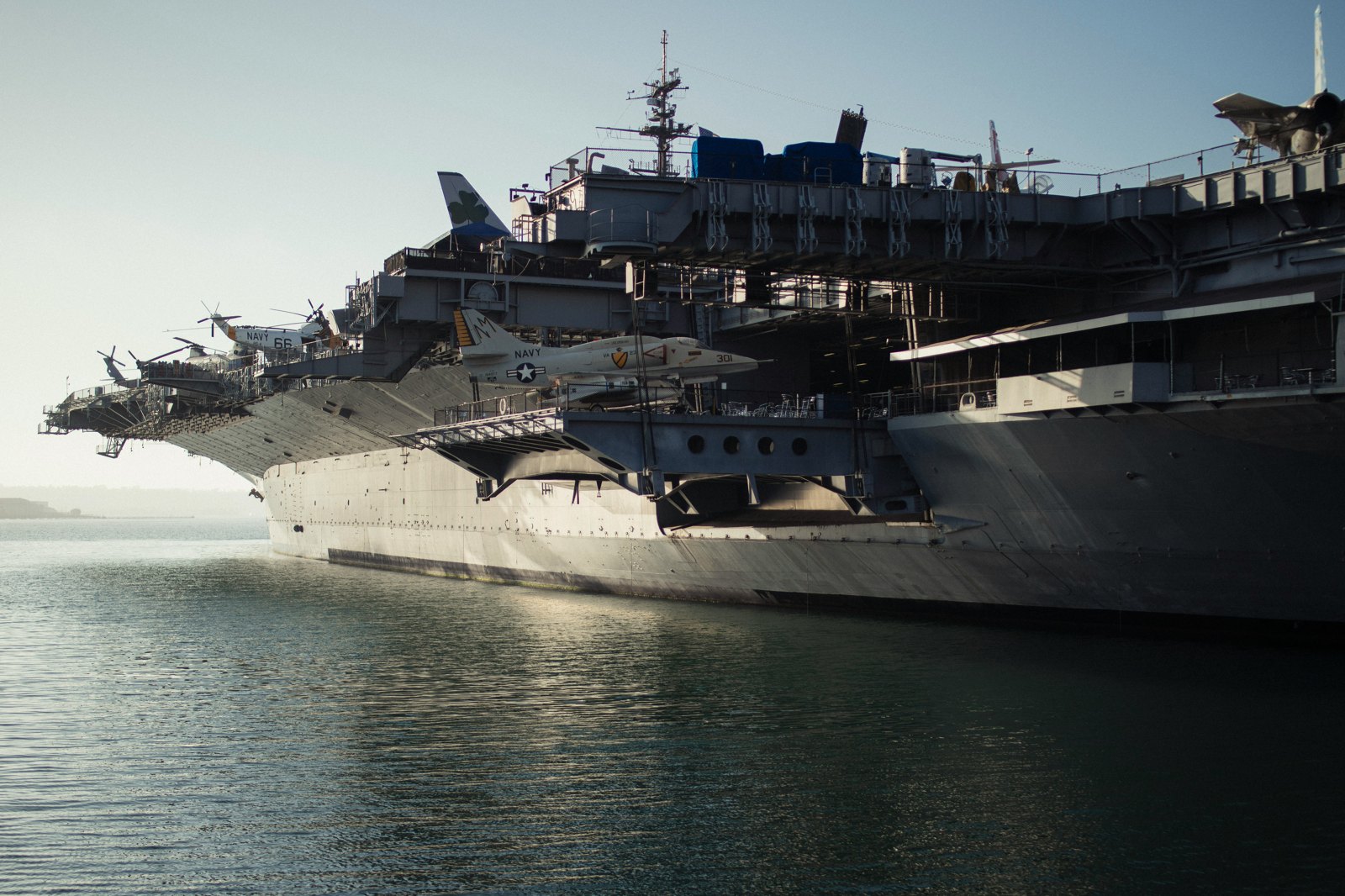
As tensions rise, the United States has expanded its naval footprint. With the arrival of the USS Theodore Roosevelt carrier strike group, combined U.S. naval assets in the Persian Gulf, Arabian Sea, Red Sea, and Mediterranean now exceed the force deployed when the U.S. and Israel launched the war in February. The Roosevelt joins the USS George H.W. Bush and the USS George Washington, along with smaller warships maintaining the blockade of Iranian shipping. The expanded presence provides greater offensive firepower and missile interception capacity, according to an analysis by Israel’s Institute for National Security Studies.
President Donald Trump has said new strikes on Iran are highly unlikely, yet he has sent a third carrier group and thousands of additional troops to the region. He has also told Vice President JD Vance that talks are not needed at this time. Gulf Cooperation Council Secretary General Jasem Al Budaiwi told the UN Security Council that Iran has launched more than 7,000 missiles and drones at regional countries since February, targeting airports, ports, oil facilities, power stations, desalination plants and residential areas.
Blockade Cripples Iran’s Oil Exports; Gulf Shipping Recovers
The U.S.-enforced naval blockade in and around the Strait of Hormuz has curtailed the flow of Iranian crude to global markets for months. Meanwhile, oil tankers moving under U.S. military protection have helped return Gulf oil shipments to roughly prewar levels. The blockade is damaging Iran’s economy, creating what Iranian officials have termed a “no war, no peace” situation.
Shipping in the strait remains hazardous. At least 15 attacks on ships have occurred in the Strait of Hormuz or nearby waters this month, following 35 confirmed attacks in October. On Tuesday, the crew of the Panama-flagged LPG tanker Tara Gas abandoned the vessel after a second attack in two days. While 24 crew members were accounted for, one Indian mariner remains missing, according to India’s minister of ports, shipping and waterways, Sarbananda Sonowal. An engine fire broke out after an initial strike Monday left the tanker disabled, according to the U.K. Maritime Operations Center.
Qatar Mediates as Talks Stall
Negotiations to end the war have stagnated despite intensified mediation efforts from Qatar. Qatari officials were scheduled to meet with Iranian counterparts Tuesday as part of ongoing efforts. In a statement, Qatar said Iran’s “continued attacks” on Bahrain “undermine diplomatic efforts.” Foreign Ministry spokesman Majed Al Ansari warned that any escalation posed an “extremely grave danger” to the prospects of reaching an agreement.
Egypt, Saudi Arabia and the United Arab Emirates joined Qatar in condemning Tuesday’s attack, calling it a violation of Bahrain’s sovereignty and a threat to regional security. Gulf Arab states demanded on November 13 that Tehran pay full compensation for damage caused by the thousands of missile and drone attacks since February.
Analysts Warn of Escalation to Break Blockade
Tehran is weighing whether “breaking the blockade through escalation is less costly than accepting its continuation,” Azizi wrote in an analysis posted to X. He noted that the risk of renewed war no longer depends solely on whether Trump decides to attack Iran again, but also on whether Tehran concludes the costs of continued restraint have become greater than the risks of escalation. Iranian leaders have vowed to end the current stalemate, signaling a readiness to escalate in the face of tightening sanctions and the blockade.
Sources
- Iran launches third round of strikes on Bahrain, host of U.S. Navy's 5th Fleet
- Iran Launches Fresh Drone Strikes On Bahrain Military Base Hosting US Helicopters Amid Escalating Gulf Tensions
- Latest Iranian drone launches in Middle East may signal tactical shift as peace talks falter
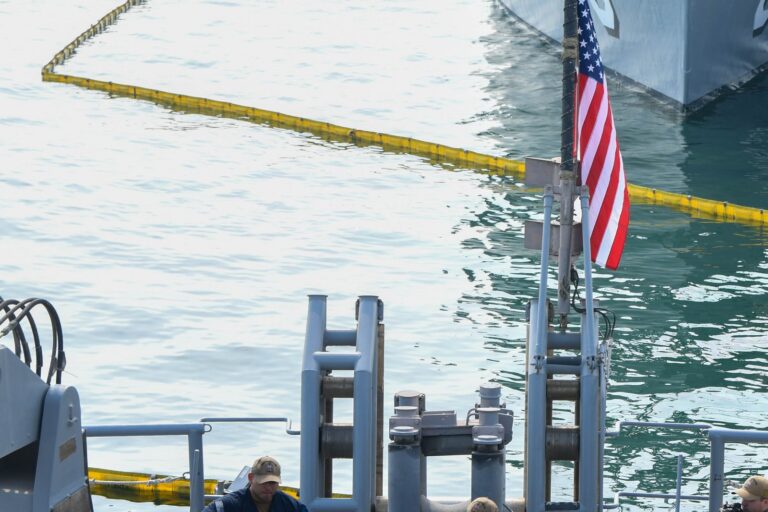
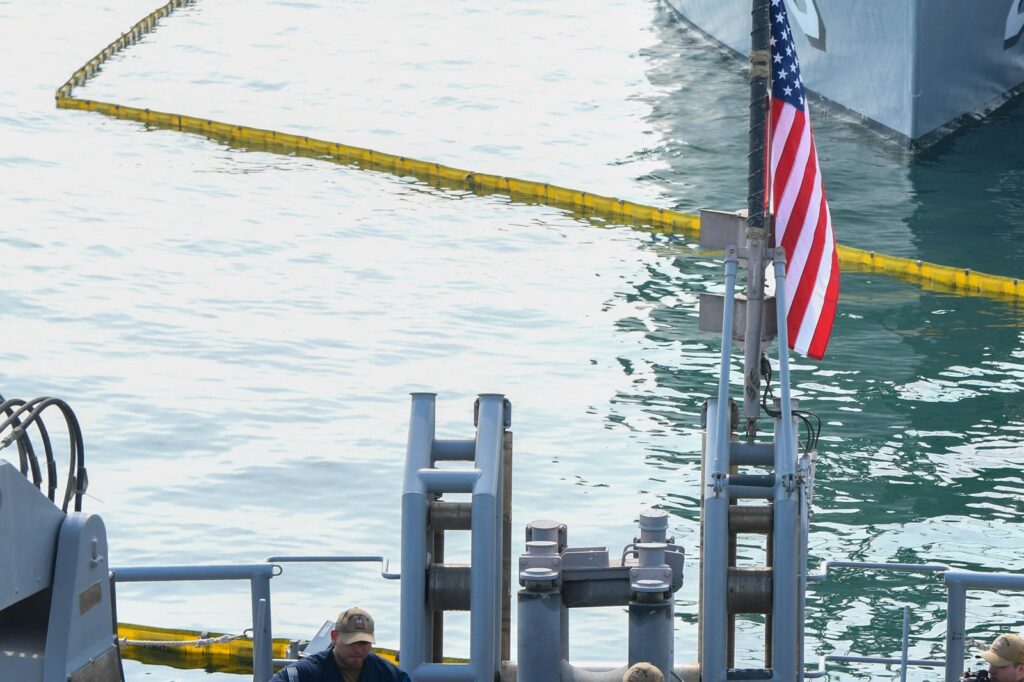
Photo: U.S. Navy photo by Seaman Kristen Zavala (Public domain)