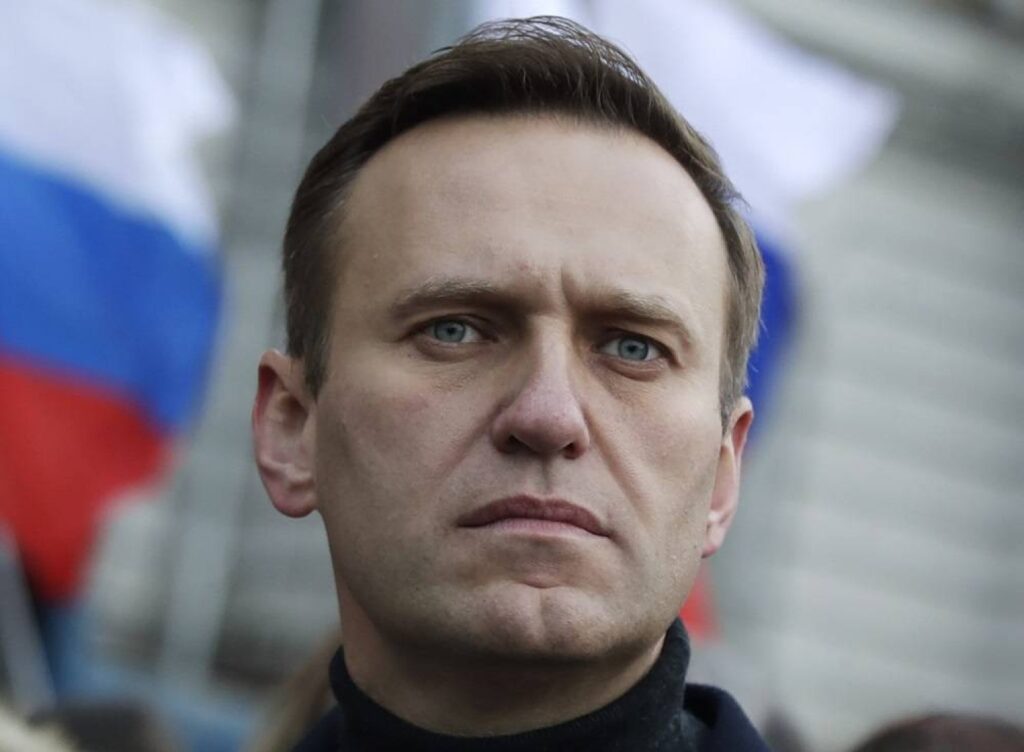
A steady stream of Muscovites carried flowers to the monument for victims of political repression, across from the old KGB headquarters at the Lubyanka, within hours of the news. The news was that Alexei Navalny, the man who had spent more than a decade as Russia’s leading opposition figure, was dead at 47.
The prison service in the Yamalo-Nenets district, which ran the Arctic penal colony where he was held, said on 16 February 2024 that he “felt unwell” after a walk and “almost immediately lost consciousness”. An emergency team was called and tried to revive him without success. “The emergency doctors declared the prisoner dead. Cause of death is being established,” the statement read.
Navalny had been serving 19 years on extremism charges that many outside Russia saw as politically motivated. He had been moved to the colony in Kharp only weeks earlier, after vanishing from a penal colony east of Moscow in December and going unseen for a time. At a court hearing by video link the day before he died, he looked well and was laughing.
Doubt, grief and a warning from Munich
His widow, Yulia Navalnaya, walked onto the stage at the Munich Security Conference close to tears. She cautioned that the report had come only from unreliable state sources. Then she said: “But if it’s true, I know Putin, all his allies, all his friends, all his government know they will be held responsible for what they’ve done… and this day will come sooner than you think.” She later appealed to the international community “to help punish this regime”.
Ivan Zhdanov, who runs the Anti-Corruption Foundation, said it was “highly likely” that Navalny had been killed. Leonid Volkov, another close aide, said nobody could confirm what had happened, but that the prison statement amounted to a confession. Navalny’s mother, Lyudmila Navalnaya, was quoted as saying she did not want condolences. She had seen him in prison on 12 February, she said, and “he was alive, healthy and happy.”
Russian state television gave the story little airtime. One RT report suggested a blood clot. Alexander Polupan, a Moscow specialist who had treated Navalny before, dismissed that: such a diagnosis, he said, could only come from a post-mortem examination.
Reaction abroad, arrests at home
Prosecutors warned Russians against joining mass protests. Several people were detained in central Moscow and in St Petersburg, Murmansk and Nizhny Novgorod.
Abroad, the response came within minutes. France said he had paid with his life for resisting Russian “oppression”. Norway’s foreign minister said Russian authorities bore a great responsibility. UK Foreign Secretary David Cameron said no one should doubt “the dreadful nature of Putin’s regime”. President Joe Biden said that if the reports were true, Vladimir Putin was responsible: “What has happened is yet more proof of Putin’s brutality.”
The Kremlin said little. Spokesman Dmitry Peskov said only that the death had been “reported to the president”, who was visiting Chelyabinsk. “Medics must somehow figure this out,” he said.
A long road to the Arctic
Navalny began as an anti-corruption campaigner. In August 2020 he was poisoned with the Novichok nerve agent at the end of a trip to Siberia, and his team flew him to Germany for treatment. He went home in January 2021 with Yulia beside him on the flight, and was taken into custody at passport control. He never left jail again in the 37 months that followed.
He was barred from the 2018 presidential race. The vote that Putin faced the next month had no meaningful opposition; the anti-war candidate Boris Nadezhdin was kept off the ballot over supposed irregularities in his signatures.
Prison cost him dearly. His spokeswoman, Kira Yarmysh, said the month before that he had spent more than 280 days in isolation. Eva Merkacheva, a Russian human rights activist and journalist, said he had been placed in solitary confinement at least 27 times, which “could not but play a role” in his death. The law, she noted, allows no more than 15 days at a stretch.
Boris Nemtsov was shot dead on a Moscow bridge in 2015. Yevgeny Prigozhin died in an unexplained plane crash in August 2023. Navalny’s aide Maria Pevchikh said the loss left “a gigantic responsibility” on those still working: “to continue his work with dignity.”
He leaves two children, Dasha, who is studying in the US, and Zakhar, who is still at school.