Prosecutors counted 174 convictions in Brazil alone. Twelve current or former presidents across Latin America were implicated, and $790 million came back to the Brazilian treasury, with nearly $2.8 billion more expected. Then, in early February 2021, the attorney general’s office quietly announced that the main Car Wash task force had been disbanded.
That was the end of a seven-year run. AFP described it as an investigation that “felled presidents and powerful players across Latin America” before it fell into scandal itself.
A small case that kept growing
It started in March 2014 as a money-laundering inquiry in Brasília, at a gas station. Investigators soon found something far larger: politicians working hand in hand with executives at companies such as the oil giant Petrobras and the construction group Odebrecht. The aim, according to AFP, was to inflate government contracts and pocket the proceeds for themselves and their parties.
Prosecutors got there with aggressive plea bargains. Suspects who talked about their superiors got better terms. The method worked well enough that the team shared its findings with colleagues abroad, and the spinoffs sent former presidents Alejandro Toledo of Peru and Ricardo Martinelli of Panama to jail, along with Lula in Brazil and top executives at several firms.
How it came apart
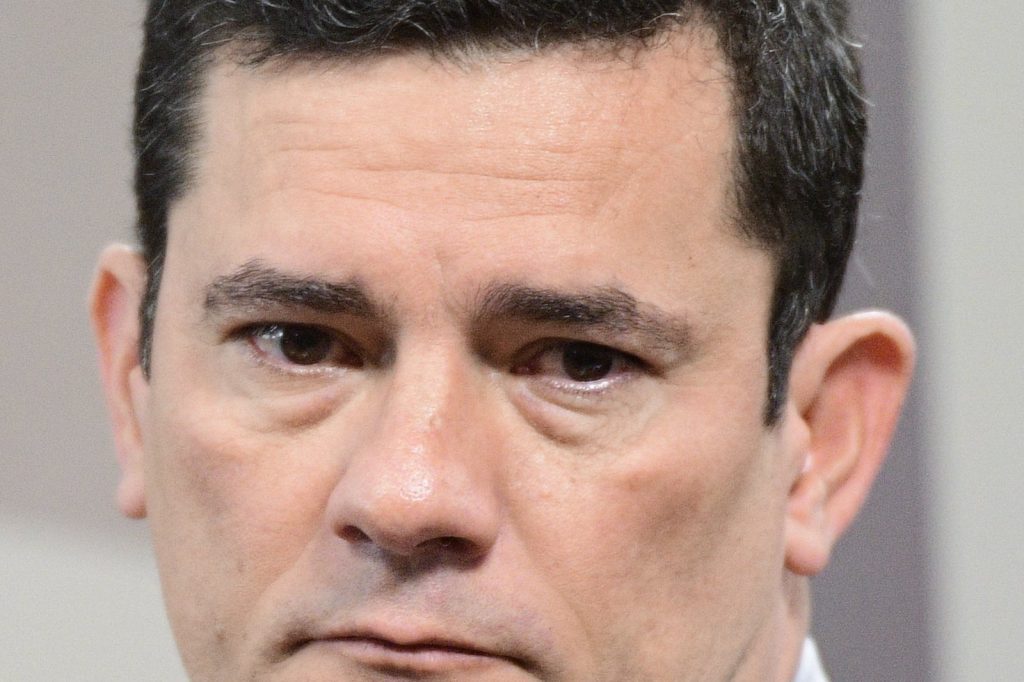
The damage was partly self-inflicted. In 2019 an investigative website published hacked phone messages. They showed, AFP reported, that Sergio Moro, the chief Car Wash judge, had worked with prosecutors to keep Lula from running in the 2018 presidential election. Lula was then the most popular politician in the country, and Moro had jailed him on Car Wash charges.
Moro later took the justice minister’s job under Jair Bolsonaro, who won that election. The partnership ended in April 2020, when Moro resigned and accused the president of meddling in federal police investigations. Bolsonaro, for his part, had said the previous October: “I’ve ended Car Wash, because there’s no more corruption in government.” The following week, police found around 30,000 reais in the underwear of his Senate deputy leader during a raid over suspected embezzlement of Covid-19 funds.
The Supreme Court also turned on the task force’s methods, ruling against some of its hardest tactics, including compulsory testimony for suspects. Law professor Daniel Vargas of the Getulio Vargas Foundation told AFP that the argument for bending constitutional rules, because courts never convicted the powerful, did not survive experience. “Bending those rules undermined the entire justice system and constitutional democracy itself,” he said.
The courts take it apart
The unwinding went on. On a Wednesday in September 2023, Justice Antonio Dias Toffoli excluded all evidence gathered through the 2017 plea agreement with Odebrecht executives. The company, now called Novonor, had been central to the scandal. Toffoli called it unusable in any jurisdiction and wrote that Lula’s imprisonment was “one of the worst judicial mistakes in the country’s history.”
Lula spent 580 days in prison for embezzlement and money laundering. His conviction was later annulled, and the UN Human Rights Committee said the case against him violated his political rights. He won the presidency again in 2022. His supporters in the PT party have long called the whole operation politically motivated.
Moro, by then a senator, defended the work. “Corruption in the PT governments was real,” he said. The attorney general’s office answered the ruling by announcing a further review of what prosecutors and judges did in the case that put Lula behind bars.
Journalist JR Guzzo, writing in Curitiba’s Gazeta do Povo, summed up what many Brazilians felt it had changed: “In the Brazil of Operation Car Wash, politicians and other corrupt individuals of all shapes and sizes actually risked going to jail.”
Sources
- Brazil's watershed 'Car Wash' probe ends with a whimper – Digital Journal
- Brazil: Supreme Court discards evidence in corruption probe