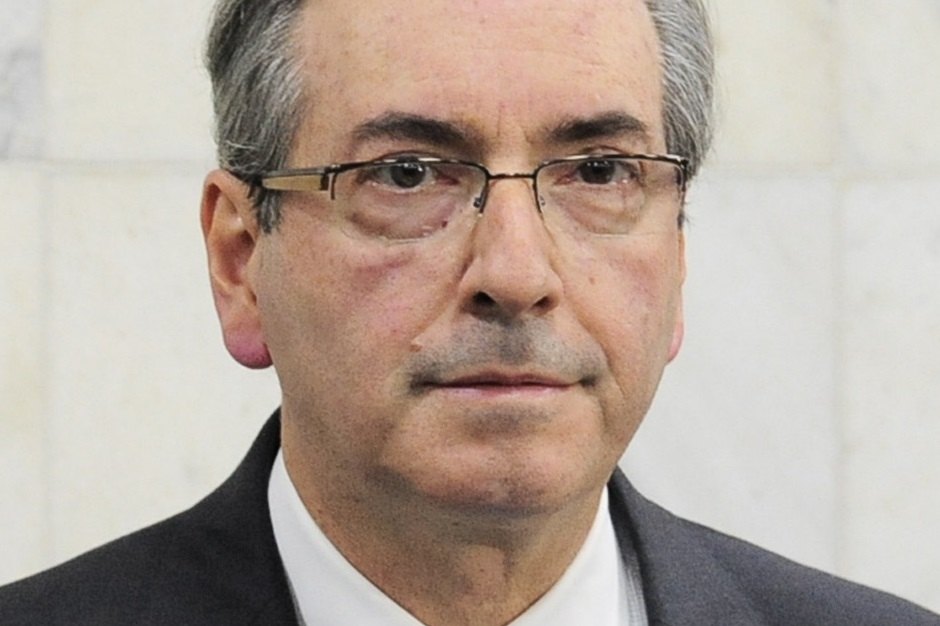
The Brazilian political arena has witnessed the rise and fall of Eduardo Cunha, a figure whose own use of congressional procedures helped topple a president and later led to his own downfall. Once the president of the Chamber of Deputies, Cunha now faces a criminal conviction that effectively ends his public career. Cunha entered national politics as a federal deputy in 2003, but his political network had already been forged years earlier in Rio de Janeiro’s state bureaucracy.
During the Collor administration he managed the state telecom firm TELERJ, and later headed the state housing agency under Governor Anthony Garotinho. These positions, while not high‑profile, allowed him to build a web of patronage that would later support his ascent in the federal legislature.
After more than a decade of cultivating alliances and rivalries within Brazil’s legislative circles, Cunha was elected president of the Chamber of Deputies in February 2015. His 17‑month tenure would be defined by one decisive act: the impeachment of President Dilma Rousseff. As chairman, Cunha accepted the impeachment petition, steered it through the relevant committee and set the process in motion.
The opposition lauded his role, while the Workers’ Party condemned him. The impeachment was not solely a legal maneuver; it also reflected a cultural clash.
Cunha sat on the evangelical bench, aligning with the Assembleia de Deus, Ministério de Madureira congregation. His conservative, religious base viewed Rousseff’s left‑leaning government with deep suspicion, framing the impeachment as a moral correction of a corrupt administration. Paradoxically, the same procedural aggressiveness that enabled Cunha to drive Rousseff’s removal exposed his vulnerabilities.
In July 2016 he stepped down as Chamber president, and in September 2016 the full Chamber revoked his mandate as a federal deputy. Subsequent investigations into his involvement in campaign‑finance irregularities and legislative favoritism culminated in a criminal conviction, underscoring the judiciary’s eventual reach into his previously shielded activities.
For observers outside Brazil, Cunha’s case illustrates the fluid boundaries among the country’s executive, legislative and judicial branches. The impeachment episode reverberated beyond Brasília, influencing trade negotiations, environmental policies and foreign investment flows. When the head of the lower house can precipitate a presidential removal, the impact is felt across commodity markets and diplomatic channels. The conviction also highlights the growing influence of Brazil’s evangelical bloc.
Cunha was not merely a politician with personal religious beliefs; he was an active participant in a parliamentary faction that has expanded its power over the past twenty years. While supporters portrayed the impeachment as a cleansing of corruption, they overlooked that Cunha himself was under investigation at the time.
Today, Cunha no longer holds elected office nor wields the behind‑the‑scenes influence he once commanded. Yet the precedent he set—demonstrating that a Chamber president can unilaterally advance impeachment—remains a potent tool within Brazil’s political system. The institutional mechanisms he once manipulated are still operational, awaiting the next figure to navigate them.
His conviction closes a controversial chapter, but the broader dynamics that allowed a legislator to overturn a presidency persist, leaving Brazil’s political landscape poised for further shifts.