Tehran’s billboards carry the message in plain type. They threaten Israelis with a “rain of missiles” and add: “You start, we finish.”
Is that a promise or just noise? Stephen M. Flatow, an attorney and the father of a woman killed in a 1995 Iranian-sponsored Palestinian terrorist attack, took up the question in a recent column. His answer: sometimes yes, sometimes no, and sometimes the words are part of the weapon. Threats in the Middle East, he writes, can work as deterrence, performance, a way to rally supporters or frighten enemies, or “a warning label attached to a real program.” The mistake, in his view, is treating all harsh rhetoric the same way.
Trump and Iran
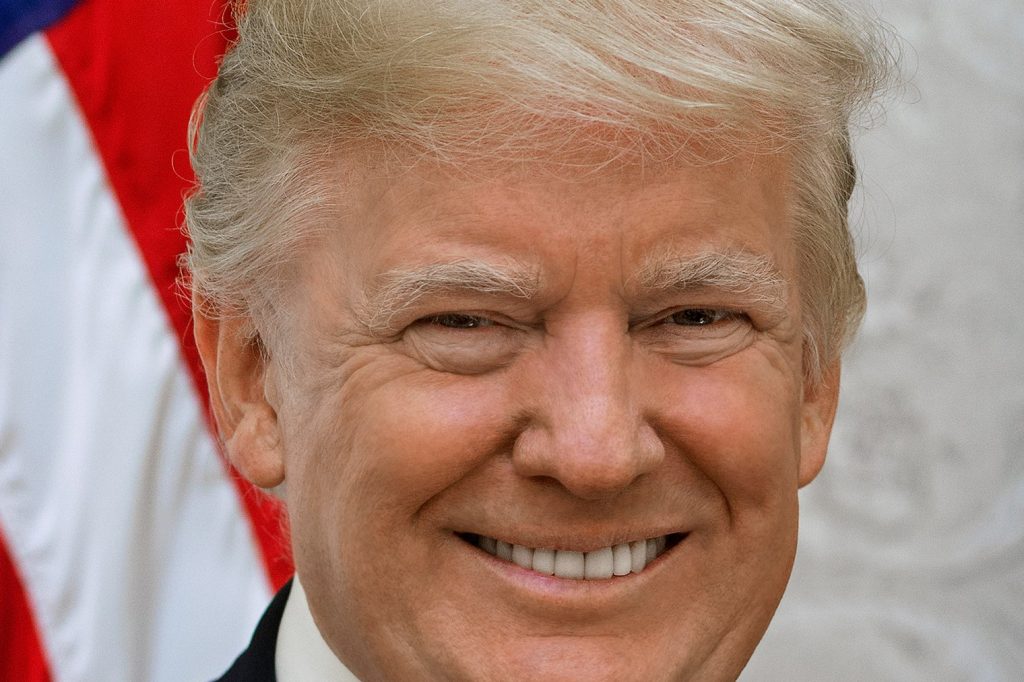
Flatow starts with the last few days of talk. President Trump, angry over conflicting reports about a possible agreement with Iran, branded the Iranians dishonourable and charged them with acting in bad faith. His warning: they had better fix their approach quickly. He also reportedly said Washington had struck Iran hard and would do so again. When Iranian missiles were fired toward northern Israel, Flatow notes, Trump tried to hold Israel back from retaliating by saying Israel had its strike, Iran had its strike, and “each of them had their fun.”
Flatow calls that blunt, crude language meant to dominate a negotiation.
Iran’s language
Iranian military and political figures have warned that if Iran is attacked, no American will be safe and fire will burn America and its allies. The response, they say, will be fast, decisive and beyond American calculations.
Flatow argues this is more than color. A regime that arms Hezbollah, Islamic Jihad, Hamas, the Houthis and militias across the region, he writes, has built the machinery to act on what it says. He allows that not every threat will play out exactly as spoken, but says Iran “has earned no presumption of innocence.”
Israel’s own harsh words
He does not exempt Israelis. Before he shook Yasser Arafat’s hand on the White House lawn, Yitzhak Rabin was defence minister during the First Intifada, and was linked to a phrase about breaking the bones of Palestinian rioters. Flatow says that language should not be sanitised. He also points out that Rabin later signed Oslo and made peace with Jordan.
Ariel Sharon is his second example. A general in manner as well as career, Sharon later spoke about painful concessions and carried out the Gaza disengagement. Flatow says both men’s language, however rough, was tied to national survival and security policy.
Where he draws the line
Hamas is different, Flatow writes. He says it built an ideology around Israel’s disappearance and has joined words to suicide bombings, rockets, tunnels, kidnappings and massacres. When Hamas talks of liberation “from the river to the sea,” he says, Israelis hear a program.
Lumping everyone together, in his words, is “intellectually lazy and morally unserious.” He sees a gap between the harsh speech of a state fighting for its security and the language of movements committed to another state’s destruction.
His advice is to listen carefully, not to panic at every insult, and not to treat every threat as a battle plan. But when those who have built missiles and funded terror say what they want, he writes, it is foolish to pretend they speak only figuratively.