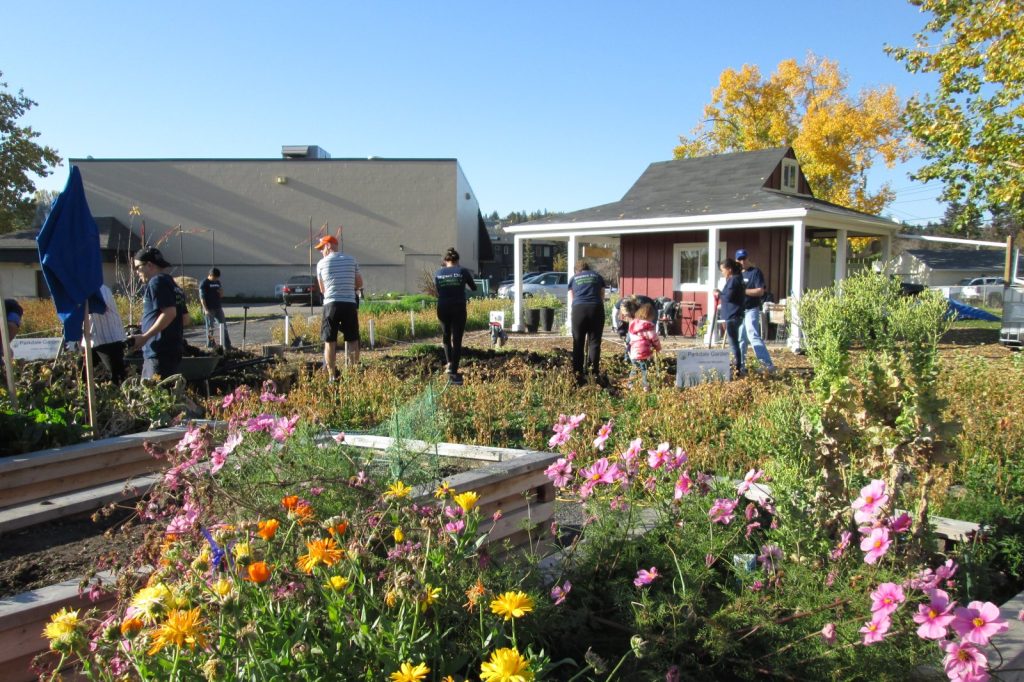
A quiet but significant shift is underway in how community environmental projects get off the ground. The Local Environmental Action Fund, a scheme designed to support neighbourhood-level green initiatives, now makes collaboration a near-essential part of the application process. The requirement is simple on paper.
Successful projects must show that they are working with at least one other community organisation where possible. That could mean a resident’s association, a local environmental charity, or a social enterprise.
The fund does not prescribe exactly who the partner must be, leaving room for flexibility. Behind that simple condition lies a deliberate strategy. Fund organisers want to do more than just hand out money.
They want to build something that lasts.
Partnership as a requirement
Applicants are expected to identify their partner organisation early on and lay out how the two groups will work together. The collaboration is described as “where possible,” but it is a strong factor in how proposals are evaluated. That means groups that go it alone, without reaching out to another entity, may find themselves at a disadvantage when decisions are made.
The fund’s architects see partnership as a way to share resources, stretch limited budgets, and reach more people than any single group could manage alone. The requirement also aligns with the fund’s aim to strengthen neighbourhoods by building social cohesion.
What this means for the people on the ground is a chance to pool not just money, but knowledge, volunteers, and local trust. For families living in neighbourhoods that often feel overlooked by larger programmes, these collaborations can turn a small project into something that actually takes hold.
Building social cohesion
There is a deeper aim behind the requirement. The fund’s rules state that fostering partnerships aligns with the goal of strengthening neighbourhoods by building social cohesion. That is a deliberate choice—an effort to use environmental work as a thread that weaves communities closer together.
A project that brings residents and a local charity together to plant trees or restore a park does not just improve the local environment. It creates relationships.
People who might never have spoken to one another find themselves digging side by side. That social fabric, once strengthened, tends to outlast the grant period itself. The flexibility of the scheme is intentional.
Because the fund does not prescribe specific types of partners, a project focused on clean water could collaborate with a church group, a school, or a small business. That openness means the requirement adapts to the character of each neighbourhood rather than forcing a one-size-fits-all model.
What comes next for groups considering an application is the work of identifying the right partner. For many, that will mean sitting down with a neighbour organisation they may have never worked with before. The fund’s message is clear: the best environmental projects are rarely built alone.