
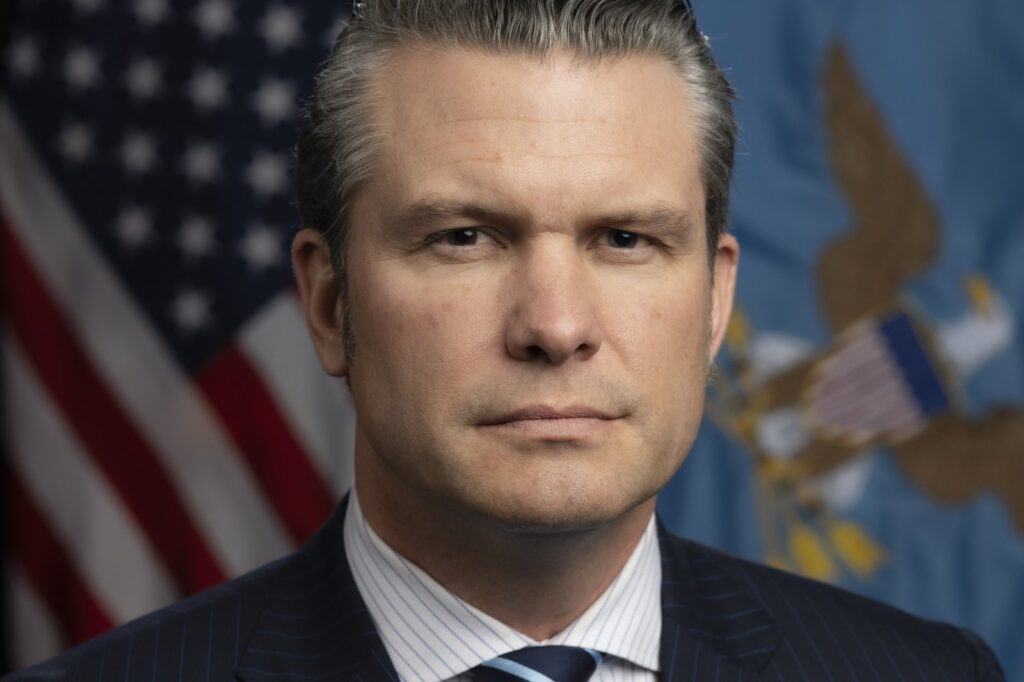
Defense Secretary Pete Hegseth is reshaping how the U.S. military evaluates commercial technology partners, moving toward a system that prioritizes ideological alignment alongside traditional security metrics. This shift is part of a broader mission to purge what the Secretary terms a “woke” and “weak” military culture, replacing it with a renewed focus on a “warrior ethos” and increased “lethality” within the armed forces.
The Ideological Audit of Defense Contracting
The Pentagon’s evolving strategy involves an unprecedented level of scrutiny regarding the internal values of its private-sector partners. According to reports, this process is increasingly supported by proprietary software designed to audit federal contracts and curricula for alignment with specific political values. One such tool, known as Constitution Analytics, is marketed by private entities to ensure that contractors and academic institutions remain consistent with the ideas of the Founders.
This approach mirrors the influence of the MacArthur Society, a group aligned with Hegseth’s goals that seeks to scrutinize federal contracts for ideological compatibility. The MacArthur Society, founded in 2023 by alumni, has been vocal in its opposition to what it characterizes as a focus on Critical Race Theory and Diversity, Equity, and Inclusion within military-linked organizations. By utilizing these new auditing mechanisms, the administration aims to identify and mitigate risks that it believes have compromised the military’s core mission.
Overhauling Military Education and Faculty
The push to remove perceived ideological risks extends deep into the military’s educational institutions. At West Point, the administration has implemented a series of reforms that include banning various books, student groups, and specific English and history courses. These actions are part of a campaign to reconfigure military education by attempting to move away from liberal-arts curricula that Hegseth has criticized in his 2024 book, The War on Warriors.
The administration has also targeted civilian faculty at military academies, leading to the firing or resignation of numerous professors. According to reports, civilian teaching staff, who make up 27 percent of the faculty, now face increased oversight, including a requirement for five progress reviews per year. Some faculty members have alleged that this environment is designed to suppress academic freedom. Adam Kalkstein, a geography professor at West Point, filed a lawsuit alleging he was fired for refusing to cease teaching that human activity contributes to climate change, even when presented in the context of military readiness.
A Broader Mission for the Pentagon
Secretary Hegseth’s tenure, which began in 2025, has been defined by a series of aggressive reforms aimed at the institutional culture of the Department of Defense. Beyond the vetting of contractors and faculty, the Pentagon has rolled back inclusive policies and overseen an unprecedented purge of admirals and generals. Hegseth has explicitly stated his intent to rid the military of what he describes as “radicals” and “weirdos,” arguing that these changes are necessary to restore the strength of the armed forces.
These actions have drawn significant attention and mixed reactions. While Hegseth has faced criticism for the fallout from a leaked government group chat on Signal, the use of force in the 2026 Iran war, and alleged war crimes in the Caribbean, he maintains strong support from Republican politicians and Christian nationalist organizations. The Secretary’s approach to the military is characterized by a desire to return to a traditional, combat-focused identity, a goal he has pursued through both policy changes and the removal of leadership he deems incompatible with that vision.
Implications for Military-Commercial Partnerships
The integration of ideological vetting into the defense supply chain represents a significant shift in how the U.S. military interacts with the private sector. By linking national security to the political and social values of its contractors, the Pentagon is creating a new framework for participation in the defense industrial base. Companies seeking to maintain their status as military partners may find themselves subject to the same audits and scrutiny that are currently being applied to military academies and internal training programs.
For service members, cadets, and military families, these reforms signal a long-term change in the environment of the armed forces. As the Pentagon continues to implement these measures, the focus remains on the Secretary’s stated goal of increasing lethality and purging the military of influences he views as detrimental to its readiness. The future of military-commercial partnerships will likely be dictated by the ability of private firms to navigate these new, rigorous standards of ideological and security-based compliance.
Constitution Analytics and Contractor Vetting
The Pentagon’s ideological vetting of tech suppliers is supported by proprietary software designed to audit federal contracts for alignment with specific political values. One such tool, known as Constitution Analytics, is marketed by private entities to ensure that contractors and academic institutions remain consistent with the ideas of the Founders. This software is used to scrutinize curricula, federal contracts, and other materials to assess ideological compatibility.
The MacArthur Society, a group aligned with Hegseth’s goals that seeks to scrutinize federal contracts for ideological compatibility, has promoted the use of Constitution Analytics. Founded in 2023 by alumni, the MacArthur Society has been vocal in its opposition to what it characterizes as a focus on Critical Race Theory and Diversity, Equity, and Inclusion within military-linked organizations. During a brief recess of the Board of Visitors at West Point, Matthew Newgent, the society’s vice-president of donor relations, pitched the proprietary AI software as a means to ensure adherence to Founders’ principles.
By utilizing these new auditing mechanisms, the administration aims to identify and mitigate risks that it believes have compromised the military’s core mission. The integration of such tools into the defense supply chain reflects a broader effort to extend ideological screening beyond military academies to private-sector partners, ensuring that only those deemed politically and socially aligned receive defense contracts.
Sources
Photo: U.S. Department of Defense (Public domain)




