
Understanding the Mechanics of the Rabies Virus
Rabies is a viral disease that causes inflammation of the brain in humans and other mammals. According to Wikipedia, the disease is caused by lyssaviruses, which include the rabies virus and the Australian bat lyssavirus. Once symptoms appear, the result is virtually always death. As of 2016, only fourteen people were documented to have survived a rabies infection after showing symptoms.
The virus attacks the central nervous system. Early symptoms often include fever and abnormal sensations at the site of exposure. These are followed by a range of severe health issues, including nausea, vomiting, violent movements, uncontrolled excitement, fear of water, inability to move parts of the body, confusion, and loss of consciousness. The time between contracting the infection and the start of symptoms is usually one to three months, though this can vary from less than one week to more than one year, depending on the distance the virus must travel along peripheral nerves to reach the central nervous system.
Transmission Pathways and Global Impact
The virus is transmitted when saliva or nervous tissue from an infected animal enters a wound or mucous membrane. According to the Virginia Department of Health, exposure occurs when a bite, scratch, or other circumstance allows saliva or central nervous system tissue from a potentially rabid animal to enter an open, fresh wound. Transmission can also occur when infected tissue enters a mucous membrane via the eye, mouth, or nose.
Globally, rabies causes about 59,000 human deaths per year, with more than 95% of these deaths occurring in Africa and Asia. About 40% of those deaths are in children under the age of 15. The disease is present in more than 150 countries and on all continents except Antarctica. More than 3 billion people live in regions of the world where rabies occurs. While dogs are the most common animal involved in rabies transmission globally, the situation differs in the Americas. According to Wikipedia, bat bites are the most common source of rabies in humans in the Americas, while less than 5% of cases are from dogs. Rodents are very rarely infected with the disease.
Prevention and Medical Intervention
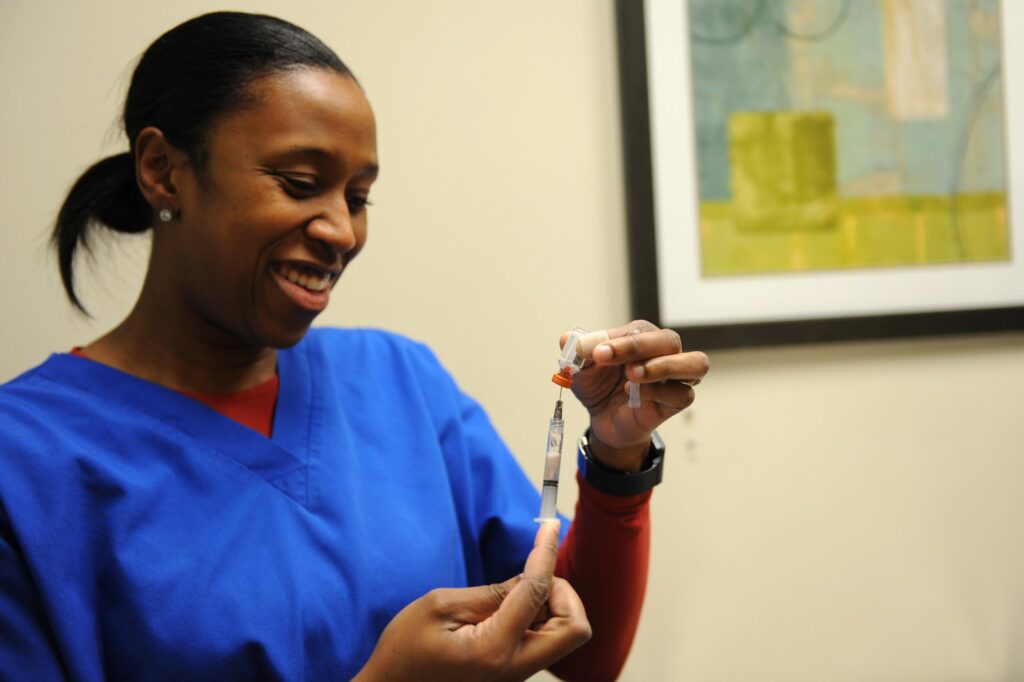
Prompt preventative treatment is effective if administered before symptoms start. In people who have been exposed to rabies, the rabies vaccine and sometimes rabies immunoglobulin are used to prevent the disease. If a person is bitten or scratched, washing the wound for 15 minutes with soap and water, povidone-iodine, or detergent may reduce the number of viral particles and may be somewhat effective at preventing transmission, according to Wikipedia.
Public health authorities emphasize that residents should not panic if they believe they have been exposed. The Virginia Department of Health advises that individuals should call their doctor and the local health department if they are exposed to an animal with rabies. Immunizing people before they are exposed is recommended for those at high risk, such as individuals who work with bats or those who spend prolonged periods in areas of the world where rabies is common.
Public Health Protocols and Pet Safety
Rabies is preventable in domestic animals through regular vaccinations. Many jurisdictions have implemented strict laws to manage the risk. Under New York State Public Health Law, all dogs, cats, and domesticated ferrets over four months of age must be vaccinated against rabies. Similarly, the Code of Virginia requires pet owners to maintain current rabies vaccinations for dogs and cats aged four months and older.
Local health departments frequently organize clinics to ensure compliance. For example, the Chautauqua County Health Department in New York recently partnered with local towns to host free rabies vaccination clinics for dogs, cats, and ferrets. Authorities advise that citizens should avoid contact with wild or stray animals and report any abnormal animal behavior to their local animal control dispatcher. If a pet is exposed to an animal with rabies, owners are instructed to contact their veterinarian and local animal control immediately.
Health officials continue to monitor local risks. In October 2026, the Virginia Department of Health confirmed a case of rabies in a cat collected in Roanoke City. The agency urged residents to contact the Roanoke City and Alleghany Health Districts or local animal control if they are aware of any possible human or animal contact with that specific animal. By maintaining current vaccinations and avoiding contact with wildlife, public health organizations aim to protect the community from this fatal disease.
Geographic Distribution and Regional Risk Variations
Rabies is present in more than 150 countries and on all continents except Antarctica. More than 3 billion people live in regions where rabies occurs. The disease is classified as a neglected tropical disease, with the global cost estimated at US$8.6 billion annually. While rabies is endemic in many parts of Africa and Asia, certain regions have achieved disease control in specific animal populations. For example, a number of countries, including Australia and Japan, as well as much of Western Europe, do not have rabies among dogs. Many Pacific islands do not have rabies at all.
In the Americas, the epidemiology of rabies differs significantly from other regions. While dogs remain the primary source of human rabies globally, bat bites are the most common source of rabies in humans in the Americas, accounting for the majority of cases, while less than 5% of cases are from dogs. This pattern is consistent across surveillance data from the United States, Canada, and Latin American countries where bat variants of the virus circulate. Rodents are very rarely infected with rabies and are not considered a significant vector for transmission to humans or other animals.
Despite low incidence in some areas, the risk persists due to wildlife reservoirs. In regions where canine rabies has been controlled, such as parts of Europe and Japan, the virus may still be present in wildlife like foxes, raccoons, or bats. This necessitates ongoing surveillance and vaccination programs for domestic animals to prevent spillover. Public health efforts continue to focus on high-risk groups, including individuals who work with bats or spend prolonged periods in endemic areas, for whom pre-exposure immunization is recommended.
Sources
- Rabies
- Rabies Case Alert – Roanoke – 11th Street NW – Roanoke Health District
- Free Rabies Vaccine Clinics Offered Across Chautauqua County This Fall
Photo: Senior Airman Brittany Murphy (Public domain)




