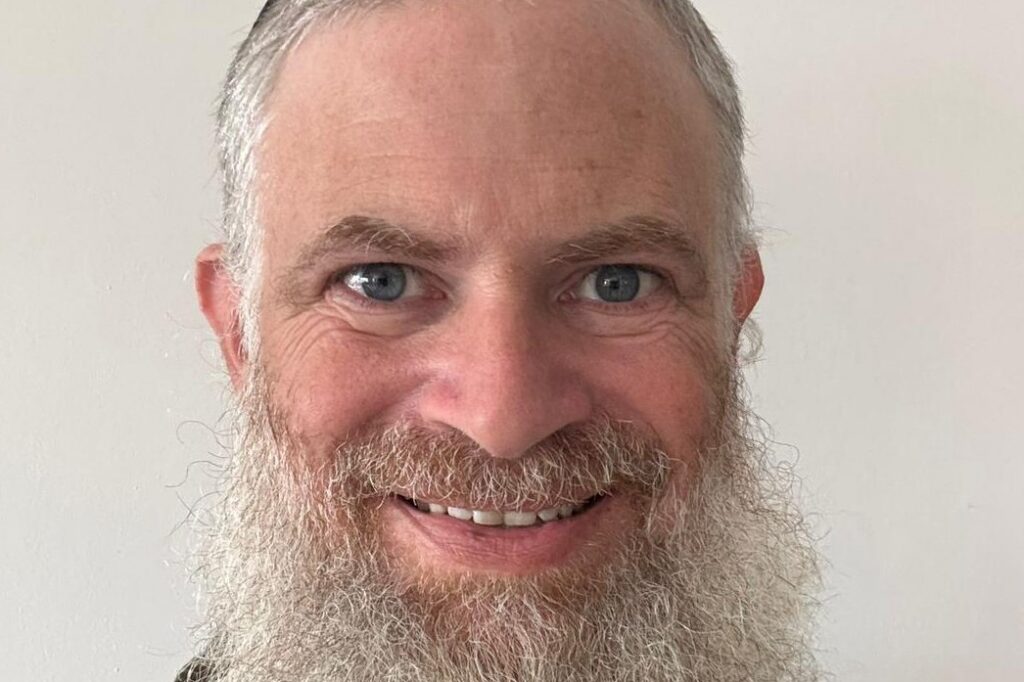
NEW YORK, October 25, 2026 — Joshua Wander, the co-founder and former chief executive of the Miami-based private investment firm 777 Partners, has formally admitted to defrauding lenders and investors of more than $500 million. On October 15, 2026, Wander entered a guilty plea to one count of wire fraud and one count of securities fraud before US District Judge J. Paul Oetken in the Southern District of New York.
The legal resolution signifies a major turning point in a case that prosecutors describe as a complex web of financial misrepresentation. According to the US Department of Justice, the scheme involved systematically misleading counterparties about the firm’s true financial position. As part of the plea agreement, Wander has agreed to forfeit at least $500 million in proceeds associated with the alleged crimes.
The Architecture of the Deception
The DOJ alleges that Wander orchestrated a strategy to secure financing by presenting a distorted view of 777 Partners’ assets. Prosecutors stated that the founder pledged hundreds of millions of dollars in assets that the firm had never purchased or had already pledged to other lenders. This practice, known as double-collateralization, effectively allowed the firm to obtain loans it could not service.
The deception extended to internal records. According to the indictment, Wander directed employees to digitally alter bank account statements. These doctored documents showed millions of dollars in cash that the firm did not actually hold. In March 2022, Wander sought a $20 million loan and provided dozens of these falsified statements to conceal the misappropriation of funds, including money spent on options trades.
The financial impact was severe. In 2021 and 2022, Wander raised more than $200 million from outside investors through preferred equity interests in 777 Partners and an affiliated entity. Prosecutors said he misrepresented the firm’s financial condition when seeking those investments. The diverted funds were subsequently used for acquisitions and expenses associated with professional sports teams, rather than for the purposes for which lenders had restricted them.
Expansion Despite Financial Warnings
The broader stakes of this case lie in the rapid expansion of 777 Partners into high-risk sectors while its core business struggled. The firm initially focused on underwriting and financing structured settlements. However, rising interest rates and increased competition in that market reduced profitability, limiting the firm’s cash reserves and borrowing capacity.
Despite these headwinds, Wander strategically moved the firm into aviation and professional sports. The indictment states that Wander purchased Canadian carrier Flair Airlines in 2018 and that 777 Partners became a minority owner of Australian low-cost carrier Bonza in 2021. In March 2021, the firm announced an agreement with Boeing to acquire 24 Boeing 737-8 aircraft, with purchase rights for a further 60.
Prosecutors alleged that Wander continued authorizing expenditure on these new ventures despite warnings from employees. By 2021, the firm routinely lacked sufficient funds to meet some operating expenses, cover payroll, or service credit facilities. The calculus behind these decisions appears to have prioritized aggressive growth over financial stability, leading to a liquidity crisis that the firm could not survive.
Impact on Lenders and Investors
The consequences of this fraud have rippled through the investment community. The scheme resulted in more than $500 million in losses to the firm’s lenders and investors. The case highlights the risks financial institutions face when lending decisions depend on inaccurate information about a company’s assets and financial position.
For Bonza, the impact was immediate and total. According to the airline’s administrators, Bonza was wholly reliant on funding from 777 Partners, its sole investor. Its fleet was repossessed in April 2024, and the airline suspended flights. This outcome underscores the vulnerability of portfolio companies that depend on a single, financially unstable sponsor.
It is important to distinguish between forfeiture and restitution. While Wander has agreed to forfeit at least $500 million, this does not guarantee that victims will recover their losses. The available information does not establish how much money, if any, has been recovered or distributed to affected lenders and investors. The forfeiture is a separate legal mechanism from the court’s decision on sentencing and does not, by itself, establish the final compensation for affected parties.
Legal Proceedings and Sentencing
The guilty plea marks a formal development in the case, but the legal process is not yet complete. Wander’s sentencing is scheduled for March 1, 2027. The court has not yet imposed a sentence, leaving the final punishment to be determined at that later stage.
The distinction between the plea, the forfeiture agreement, and the pending sentence is critical for assessing the case’s legal and financial implications. Although Wander has pleaded guilty to the two offenses, the specific penalty remains undetermined. Prosecutors have not specified what sentence they may seek, and the court will ultimately decide the appropriate punishment based on the severity of the fraud and its impact on victims.
This case serves as a stark reminder of the importance of independent verification in financial transactions. Lenders that rely on company declarations without independently checking asset records may be exposed to risks that their normal financial safeguards are intended to prevent. As the judicial process moves toward sentencing, the focus will shift to the long-term recovery efforts for the investors and lenders who were misled by 777 Partners’ leadership.
Sources
- Joshua Wander Agrees to Forfeit at Least $500 Million in Fraud Case
- 777 Partners Founder Pleads Guilty to $500M Fraud Scheme
- 777 Partners founder pleads guilty to $500M fraud scheme
Photo: BananaNotes (CC0)