Governments at the 13th Conference of the Parties to the UN Convention against Transnational Organized Crime (UNTOC) in Vienna have voted to start negotiating the first international agreement aimed at several environmental crimes. For communities that live beside forests, rivers and dumpsites, that is no small thing.
Three crimes, one protocol
The resolution, known as L.4, covers trafficking in wild fauna and flora, including timber and timber products. It also covers illegal mining of and trafficking in minerals and precious metals, and trafficking in waste. Negotiations will run over the next two years, and the result will be an additional Protocol to UNTOC. That puts environmental crime on the same legal footing as trafficking in persons and firearms, the Wildlife Conservation Society (WCS) noted.
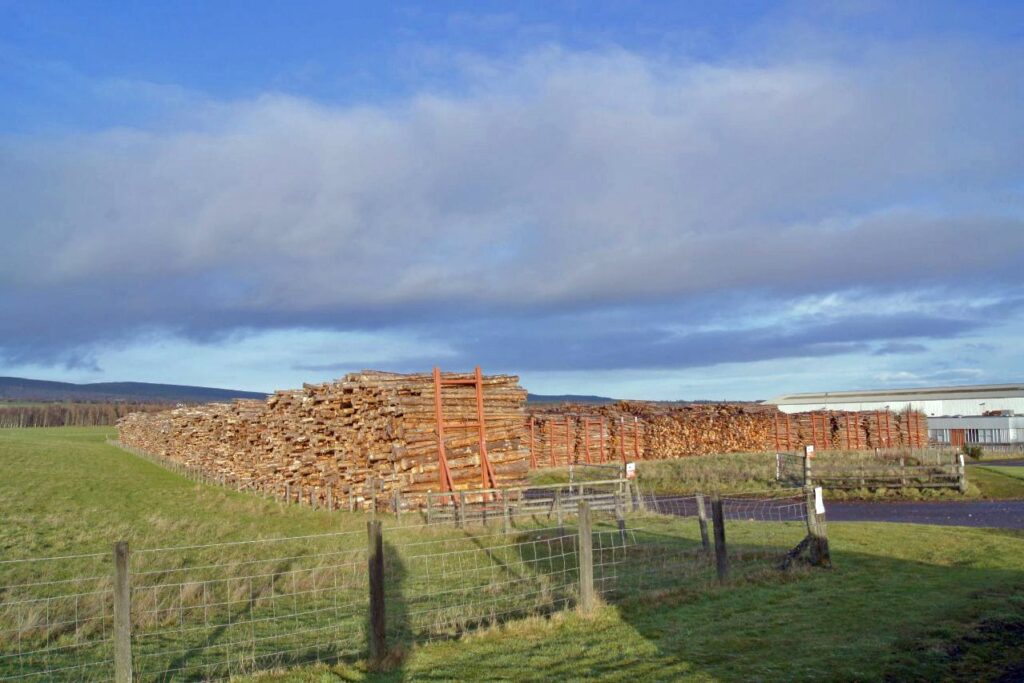
The money involved is large. UNEP and Interpol estimated in June 2016 that environmental crime was worth US$91 to 258 billion, more than half of it tied to illegal logging and deforestation. The activity is growing by five to seven percent a year. The profits feed other crime, including terrorism and civil wars.
Closing a gap between countries
Alice Pasqualato, WCS’s global policy specialist on environmental crime, put the problem plainly. “Criminal networks operate across borders, while our legal responses too often stop at them,” she said. Different jurisdictions “speak different legal languages,” with some offences criminalized in one country and not the next. A dedicated agreement, she said, is a chance to strengthen cooperation and give governments better tools against the networks profiting from wildlife and natural resources.
Some work already exists. Interpol has fought environmental crime since 1992, and the International Criminal Court said in September 2016 that it would give particular weight to cases involving the destruction of the environment or the illegal exploitation of natural resources. The UNTOC process builds on an expert group that discussed a possible protocol through 2025 and 2026.
Who pushed, and what comes next
WCS credited Brazil, France and Peru with bringing governments together. Bolivia, Colombia, Costa Rica, the Democratic Republic of the Congo, Ecuador, Mauritania, Panama, São Tomé and Príncipe and Uruguay joined in presenting the resolution. The resolution sets up an ad hoc committee that will hold four negotiating sessions. The aim is to bring a draft protocol, if possible, to the 14th Conference of the Parties in 2028. “Today’s decision is an important milestone, but it is the beginning, not the end,” Pasqualato said.
During COP13, the UN Office on Drugs and Crime and the Amazon Cooperation Treaty Organization also signed a new agreement on organized crime in the Amazon.
Indigenous voices in the room
The resolution explicitly recognizes the role of Indigenous Peoples and local communities in fighting environmental crime and related corruption. A delegation of about 10 Indigenous leaders from Brazil, Colombia, Ecuador and Peru, coordinated by Amazon Watch through its Stop Amazon Crime campaign, lobbied for that during the week. They addressed the plenary and met diplomatic missions and UN officials.
Recognition is not participation, though. The text sets up no specific mechanism to guarantee Indigenous involvement in the talks, and the delegation says securing it is a central priority. Raphael Hoetmer, Western Amazon Program Director at Amazon Watch, said the decision will only work if the protocol is designed and implemented with Indigenous Peoples taking part in a meaningful way. “Given the threats facing Indigenous Peoples and the Amazon, we owe it to them and to future generations to move forward quickly,” he said. In the Amazon, illegal gold mining, drug trafficking and illegal logging increasingly overlap, threatening communities and speeding deforestation.
Sources
- Environmental crime
- WCS Welcomes Landmark UN Decision to Launch Negotiations of the First-ever International Agreement against Environmental Crime
- Indigenous Peoples Secure Historic U.N. Agreement to Negotiate New Global Protocol Against Environmental Crime | Amazon Watch
Photo: Richard Dorrell (CC BY-SA 2.0)