Stealing copper wire is hardly new. What changed earlier this month is that a measure introduced in the U.S. Senate, with Eric Schmitt joining a Democratic colleague, would make it a federal offense. The strategic logic is simple: when the metal is worth enough, the crime stops being petty and starts to look like a threat to the systems that carry power.
Why the price matters
Metal theft means taking items for the value of the metal itself, and it climbs whenever worldwide scrap prices do. Rapid industrialization in India and China pushed them up sharply. Ferrous scrap went from $77 a ton in 2001 to $300 by 2004 and nearly $500 in 2008. On Friday, copper traded at roughly $6.50 a pound.
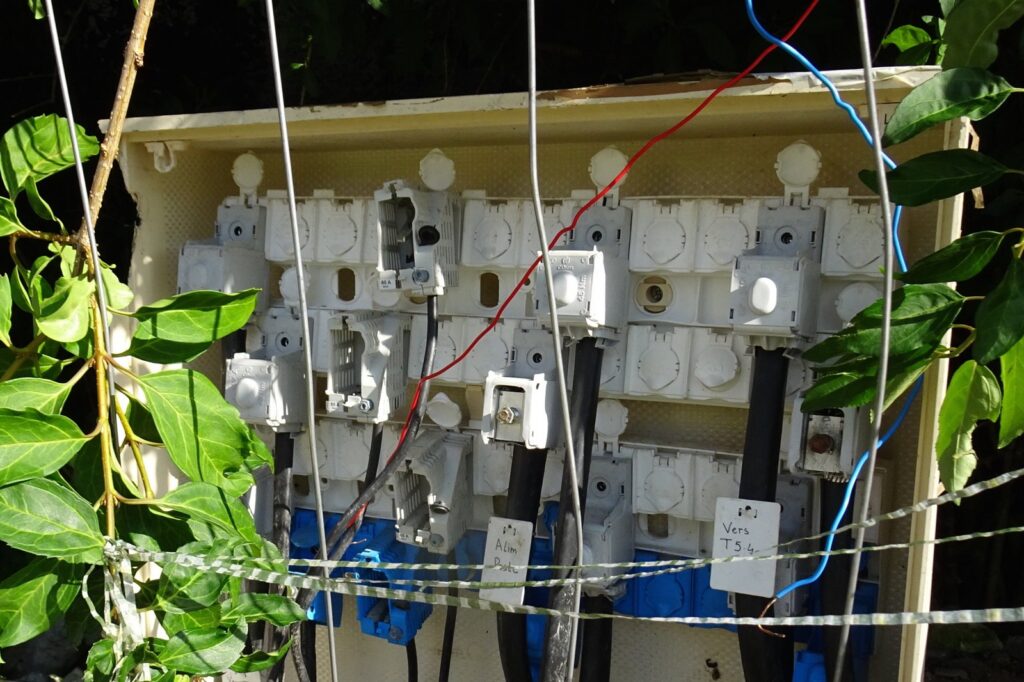
Copper wiring, pipes stripped from houses and utility cables and transformers are among the most common targets. The calculus for the thief is lopsided, because the damage usually far exceeds the metal’s worth. Statues are destroyed, power goes out, trains stop. The Department of Energy put the annual cost in the United States at $1 billion as of 2014.
Who the thieves are
Some elected and law enforcement officials believe many thefts are committed by drug addicts feeding their habit, and some point to methamphetamine users, though that varies by location. A 2007 Energy Department study said police believed many copper thefts from utilities in warmer cities such as San Diego and Tampa were committed on foot by vagrants. Researchers divide offenders another way, into opportunists and organized networks, depending on geography and timing. Poorly secured infrastructure draws repeat visits from the same places and the same people.
Whether lower prices curb theft is unsettled. After world metal prices fell steeply in late 2008, anecdotal reports pointed to fewer thefts, but strong empirical research is lacking. Some argue the “genie is out of the bottle,” and thieves might even steal more to make up the lost value. By December 2014, the National Insurance Crime Bureau reported fewer insurance claims for metal theft, possibly because scrap was cheaper.
On the street in St. Paul
Police in St. Paul, Minnesota, say a new Real Time Information Center, opened June 1, helped them catch copper thieves in the act. Three people approached a pole near Arcade Street and Maryland Avenue in the Payne-Phalen neighborhood and pulled wire out of the ground. Officers could not sit nearby in squad cars, so the center watched the intersection and sent a drone. One man ran, and the drone kept him in view while sharing his location with officers. All three were arrested, a gun was recovered from the one who fled, and they remain in custody.
“It’s very challenging,” said Senior Commander Ryan Murphy. “We make multiple arrests a month related to these situations.” Drone use has its critics. Meredith Aby, who organized a drone protest in the city this month, worries about privacy. Police say footage not tied to a case is destroyed within seven days.
Public Works crews have been repairing street lights all year and added weekend electrician shifts in recent weeks. The department says it will keep at it until the conduits freeze for winter.
Sources
- Eric Schmitt joins Democratic colleague on bill to make copper theft a federal crime
- Metal theft
- Drones assist investigators in copper theft incident in St. Paul
Photo: MHM55 (CC BY-SA 4.0)