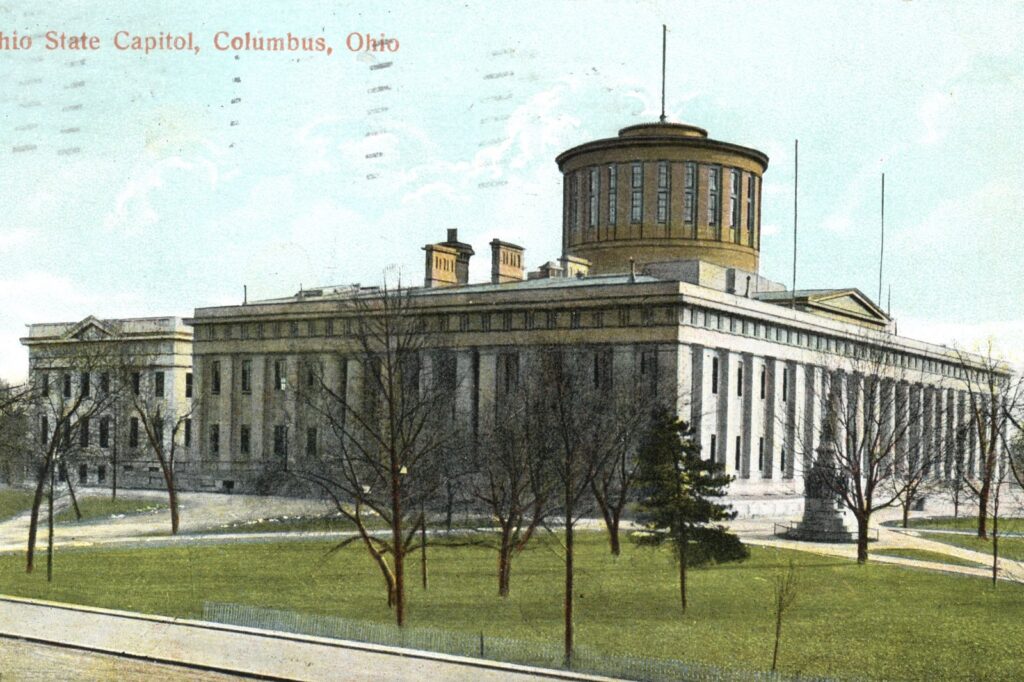
Ohio Dashboards Reveal Rare Illegal Voting Amid Millions Cast
The Ohio Crime Statistics dashboard shows nine convictions for illegal voting in a period where 35 million ballots were cast, illustrating how rare electoral fraud remains despite national political claims.
State-level data tools track the few confirmed convictions against the backdrop of millions of ballots, providing a numerical counterweight to sweeping allegations of election misconduct. The Ohio dashboard, which monitors election-related offenses, recorded nine prosecutions over a recent cycle, a figure that officials say represents a tiny fraction of total votes cast. By comparison, the state’s voter rolls include millions of registered participants, and the number of convictions underscores the difficulty of proving individual cases of illegal voting.
Background on voter fraud rarity shows that electoral fraud in the United States is very rare and mostly affects local elections rather than national outcomes. Research consistently finds that fraud is more likely to occur in and affect the outcome of local elections, where the potential impact of a small number of votes can be greater. The term fraud is often used to describe all illegal voting cases even where there was no intent, and cases of illegal voting are often accidental rather than intentional. Mail-in voter fraud occurs more often than in-person voter fraud according to research, though both remain uncommon.
Mechanics of state-level dashboards help visualize these rare instances against the backdrop of millions of cast ballots. The Heritage Foundation, a conservative think tank, publishes an incomplete database of voter fraud cases brought by prosecutors since 1979. As of November 2023, there were 1,465 proven cases of voter fraud listed in 44 years, an average of 33 cases per year. This represents a tiny fraction of total votes. In Texas, for example, Heritage found 103 cases of confirmed voter fraud between 2005 and 2022, in a period where 107 million ballots were cast, or 0.000096% of all ballots cast. State dashboards such as Ohio’s put these numbers in perspective, placing individual convictions beside the total volume of ballots to show how infrequent proven fraud remains.
National context and expert skepticism reinforce the picture of rarity. Federal prosecutors recently charged 28 immigrants in California, which represents just 0.0001% of all registered voters there. California Attorney General Rob Bonta noted that the charges are hardly proof that California’s elections are filled with fraudulent voters as President Donald Trump has repeatedly claimed. “Twenty-eight out of 23 million registered voters in California is just … a drop in the bucket numerically,” Bonta said. “It’s 0.0001% of all the registered voters, and it makes the point that there is no widespread voter fraud.” Courts at all levels have rejected claims of vast voter fraud or rigged elections against the President. Independent experts and state election officials say that voter fraud is exceedingly rare, despite claims from Trump and his allies that it happens on such a massive scale as to sway elections in Democrats’ favor.
What the numbers mean for integrity indicates that the low conviction rate does not undermine confidence in election outcomes. Experts note that widespread cheating is generally easy to detect if it exists, and the historical record shows that electoral fraud was significantly more prevalent in earlier United States history, particularly in the 19th and early 20th centuries, and has long been a significant topic in American politics. False accusations of electoral fraud also have a long history and are often associated with election denial movements. The numbers from Ohio and other states suggest that the system is functioning as designed, with isolated cases identified and prosecuted rather than systemic manipulation.
Future implications for election monitoring suggest that state dashboards will continue to play a role in tracking confirmed cases, providing transparency without amplifying unsubstantiated claims. The News21 database found only about 0.000003 cases of alleged fraud for every vote cast between 2000 and 2012, a figure that puts the Ohio convictions into broader context. As election officials and courts maintain scrutiny, the data is likely to show that proven illegal voting remains a marginal phenomenon, even as political rhetoric surrounding election integrity persists.
Ohio’s Conviction Rate in National Perspective
This figure places Ohio among the states with the lowest documented rates of proven electoral fraud. When compared to national databases, Ohio’s nine prosecutions represent a minuscule fraction of the total electorate, reinforcing broader research that confirms voter fraud remains an exceedingly rare occurrence across the United States.
While the Heritage Foundation’s database lists 1,465 proven cases of voter fraud nationally since 1979—averaging 33 cases per year—Ohio’s nine convictions over a single cycle underscore how individual state data can vary from national averages. In Texas, the Heritage Foundation found 103 confirmed cases between 2005 and 2022, in a period where 107 million ballots were cast, yielding a rate of 0.000096% of all ballots.
California Case Highlights National Rarity
Federal prosecutors recently charged 28 immigrants in California with allegedly illegally registering or voting, a figure that California Attorney General Rob Bonta described as “just a drop in the bucket numerically.” Bonta stated that 28 out of 23 million registered voters in California is 0.0001% of all registered voters, emphasizing that the charges are hardly proof that the state’s elections are filled with fraudulent voters. Federal prosecutors said all 28 foreign nationals charged are lawful permanent residents, otherwise known as green card holders, meaning they are legally allowed to stay in the country but are not citizens and are not allowed to vote in elections. The defendants live in cities across the state, with 22 accused of voting in at least one election, including as recently as the June primary, while five only registered to vote and one submitted a provisional ballot in 2020.
This announcement came as part of a national push by the Trump administration to find examples of noncitizens voting illegally, though independent experts and state election officials maintain that voter fraud is exceedingly rare. UCLA law professor Rick Hasen noted that if the Department of Justice could prove many more cases, the public would have heard about it, adding that it is “not surprising they’ve found little because it is a small problem.” David Becker, a former DOJ attorney who now leads the nonpartisan Center for Innovation and Election Research, stated that the 28 prosecutions represent just 0.0001% of active voters in California, making this crime slightly less likely than guessing a six-digit pin code on the first try. Courts at all levels have previously rejected claims of vast voter fraud or rigged elections, reinforcing the broader statistical picture that proven illegal voting remains a marginal phenomenon across the United States.
Sources
- Electoral fraud in the United States
- Federal prosecutors accuse 28 green card holders of illegally registering or voting
- Trump DOJ makes shocking admissions; taken to task for latest allegations of voter fraud | Governor of California
Photo: Miami University Libraries – Digital Collections (No restrictions)