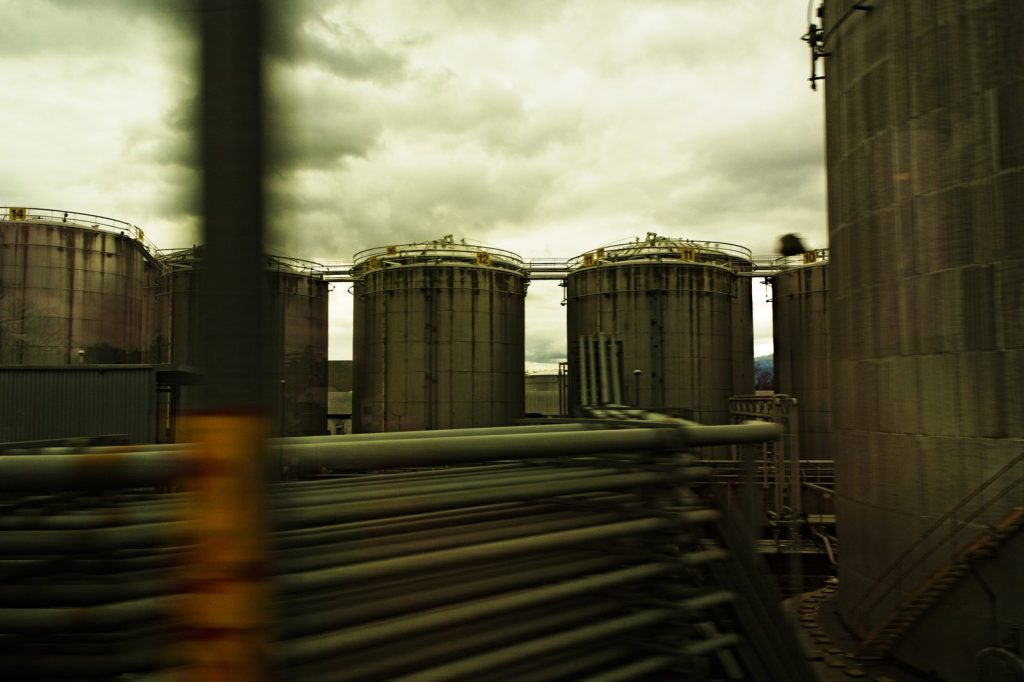
Germany holds about 9.8 million tonnes of gasoil and diesel. France holds about 8.8 million. Together, Reuters calculated, they account for roughly 35 percent of the European Union’s emergency diesel reserves, and that is why Washington leaned on them first.
On October 1, Reuters reported that the Trump administration had told France and Germany to draw down those stocks or risk limits on US diesel exports. The request, reportedly 120 million barrels over six months, came with global fuel prices already high. The European Commission rejected the idea of an export ban and warned it would damage confidence in the United States as a reliable supplier.
Why the reserves matter
EU countries must hold emergency oil stocks equal to at least 90 days of average net imports or 61 days of inland consumption, whichever is larger. Europe and the United Kingdom together held roughly 52 million tonnes of gasoil and diesel, about 37.5 million tonnes of it emergency reserves. US commercial stocks were about 14 million tonnes in the same comparison.
The gap reflects structure. Europe imports about 95 percent of its crude, according to the Commission, so it keeps big buffers. The United States is a major producer and exporter of refined products and runs on continuous refinery output. But its own cushion is thinning. The Energy Information Administration put US distillate inventories at 105.2 million barrels on September 25, down from 107.9 million two weeks earlier, and expects them to fall below 100 million.
A squeezed market
The Iran war has disrupted Gulf shipping through the Strait of Hormuz, and the Gulf also holds major refining capacity. Russia extended its diesel export restrictions through October. On October 1, major Chinese refiners suspended fuel exports for the month to protect domestic inventories. Nextnewsnetwork also noted that a refinery fire in India had knocked a diesel-focused facility offline.
Reuters calculated that 120 million barrels would be more than 40 percent of the EU’s emergency diesel and gasoil stocks. Brussels saw that as spending the insurance before knowing how long the fire would burn. Washington’s argument was simpler: reserves exist for emergencies, and lower prices help consumers on both sides of the Atlantic.
The G7 compromise
On October 2 the G7 agreed to release 100 million barrels of diesel and crude from emergency reserves, over about four months and coordinated through the International Energy Agency. NBC News first reported the deal after days of pressure on Germany and France. It did not say whether the 120 million figure was part of the final terms. The UK confirmed it would take part, with pump prices there above two pounds a litre, and France had signalled it was ready to act, with President Emmanuel Macron planning to discuss a combined crude and diesel release.
The G7 also committed to avoiding restrictions on energy trade among its members, which takes the export ban off the table for now. Analysts say a ban would be risky in any case. Gulf Coast refineries depend on exports to keep utilisation high, and curbs could push other producers to prioritise their own consumers.
The 120 million barrel demand itself has not been confirmed by official US sources.
Sources
- The Diesel War: Why Europe’s Fuel Reserves Have Become a Strategic Weapon
- REACTION: Europe Releases Diesel Reserves After Trump Pressure as G7 Ally Panic Spreads