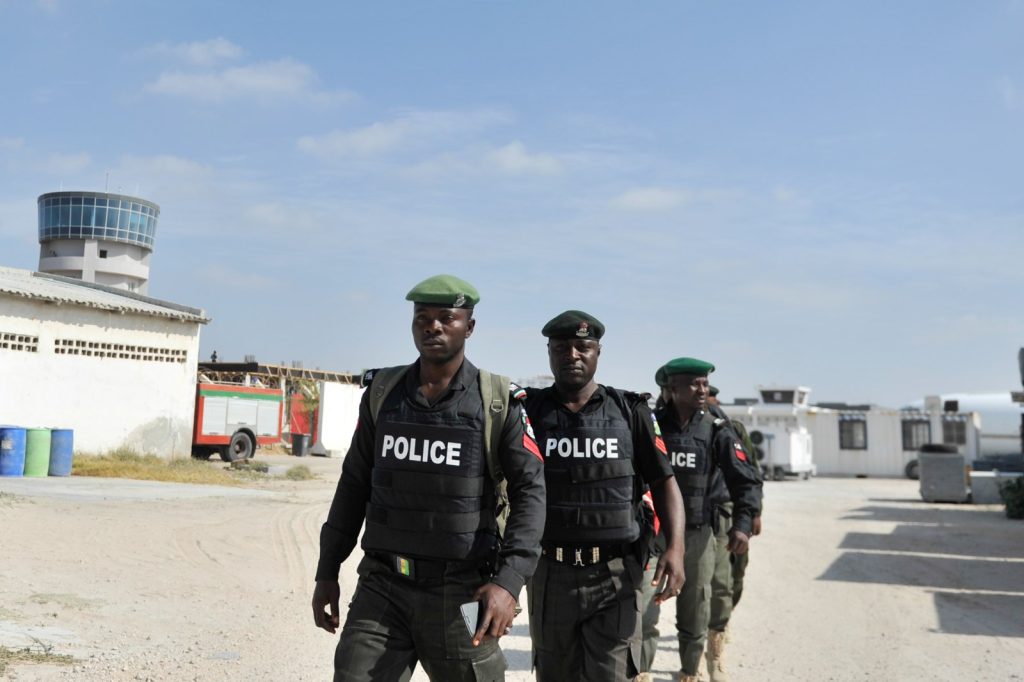
Two separate incidents in Delta State have brought into focus the complex security challenges facing law enforcement in Nigeria, as police announced the arrest of a man accused of staging his own kidnapping to extort his family and two others charged with spreading false information about a fatal road crash. Commissioner of Police Yemi Oyeniyi detailed the cases during a briefing, underscoring the command’s commitment to intelligence-led policing and its efforts to address both conventional crimes and emerging threats such as misinformation.
The developments highlight how ordinary families and public trust can become entangled in schemes driven by personal financial missteps or the rapid spread of unverified claims on social media.
Staged Kidnapping Unravels Under Police Investigation
Michael James, a 22-year-old resident, is in police custody after allegedly faking his own abduction to demand 25 million naira from his family. According to Commissioner Oyeniyi, James left his home on July 1 under the pretext of taking out the refuse. When he failed to return, his family reported him missing and told police that kidnappers had contacted them demanding the sum for his release. Police operatives deployed to the area and used technical intelligence to surround nearby bushes.
In a turn that deepened the mystery, James then emerged, claiming he had escaped from his abductors. During interrogation, he confessed that the kidnapping was staged.
James admitted that he had spent money his sister had given him and wanted to raise funds to replace what he had used. The commissioner said James remains in police custody. For communities across the region, the case raises uncomfortable questions about how far someone might go to cover a personal financial mistake, and it serves as a reminder that even a missing-person report can hide a more complicated story.
Misinformation Linked to Fatal Road Crash Leads to Two Arrests
In a separate development, Oyeniyi announced the arrest of two suspects for allegedly spreading false information about police involvement in a fatal auto crash. Egoh Best Akpobome, 35, and Omonigho Jitobor, 42, are accused of originating and circulating false social media reports linking police officers to a crash along the Ughelli-Patani Expressway on June 27.
The commissioner stated that investigations established the crash involved a civilian driving a newly purchased vehicle. No police officers were implicated. Oyeniyi stressed that the command remains committed to tackling not only conventional crimes but also the spread of false narratives that can damage public trust. Closer to home, these arrests show how law enforcement is working to address the dissemination of unverified information that can fuel suspicion and erode community confidence in authorities.
Broader Context of Security and Governance in Nigeria
These incidents occur against the backdrop of Nigeria’s complex history and ongoing struggles with security and governance. Nigeria is a West African country with a long history of diverse kingdoms and societies before British colonization in the late 19th century.
It gained independence in 1960 and later became a republic, but its post-colonial period has seen political instability, military rule, and a return to democratic governance. The nation is a federal republic known for its large population, cultural diversity, and economic influence on the continent. The country’s law enforcement challenges, including kidnappings and misinformation, reflect broader struggles with maintaining security while protecting civil liberties. Current efforts by police to employ technical intelligence and counteract false narratives highlight the ongoing tension between order and freedom.
Understanding Nigeria’s colonial past and its journey through independence helps explain the complexities of its present-day governance and social dynamics. For readers, this context clarifies why incidents like staged crimes or false information campaigns resonate deeply in a society navigating both tradition and modernity.