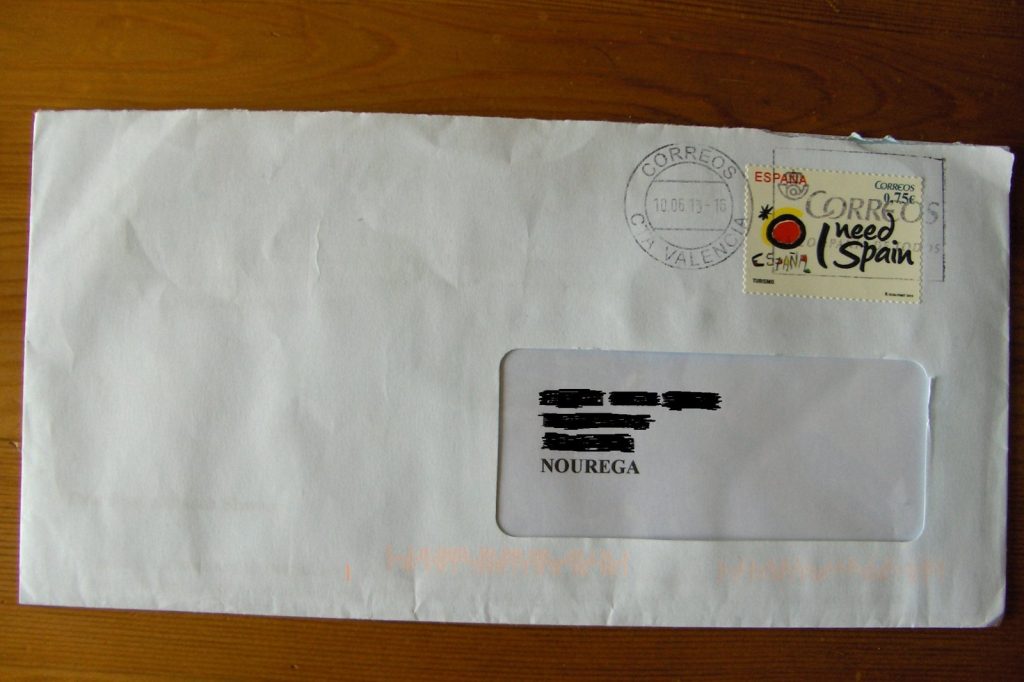
The letter claimed to come from a director of the state-owned Nigerian National Petroleum Corporation. It said $20 million had been budgeted and never spent, and the writer wanted to move it into the recipient’s bank account. For helping get the money out of Nigeria, the recipient would keep 30%. To start, the sender asked for a few sheets of the company’s letterhead, bank account numbers and other personal details.
There was no $20 million. The letter was an advance-fee scam, a fraud that promises a large sum in return for a small payment up front. If the victim pays, the fraudster either invents more fees or disappears. The FBI describes the scheme as one in which the victim pays someone “in anticipation of receiving something of greater value – such as a loan, contract, investment, or gift – and then receives little or nothing in return.”
Why Nigeria gets the blame
The best-known version is the Nigerian prince scam, also called a 419 scam after the section of the Nigerian Criminal Code that covers fraud. In Nigeria it is popularly known as “yahoo yahoo.” Some letters invoked a prince or another member of a royal family who needed to move a fortune out of the country, which is where the nickname “Nigerian Prince emails” comes from.
Most of the traffic does not start there, though. In 2007 the head of Nigeria’s Economic and Financial Crimes Commission said scam emails more often came from other African countries or from Eastern Europe. Advance-fee fraud has also been documented in Ivory Coast, Togo, South Africa, the Netherlands, Spain and Jamaica. Inside the European Union, the Netherlands and Spain stand out.
A director at Nigeria’s National Security Adviser has argued that more non-Nigerian scammers claim to be Nigerian than the reverse. In his view, the country’s reputation for corruption makes the story easier to believe.
An old trick
The con is far older than email. The Spanish Prisoner scam dates to the late 18th century. Businessmen were approached by someone who said he was trying to smuggle a person tied to a wealthy family out of a Spanish prison, and who offered a share of the money in exchange for a small sum to bribe the guards.
Another early relative, “The Letter from Jerusalem,” turns up in the memoirs of Eugène François Vidocq, a former French criminal and private investigator. A letter from around 1830 opens: “Sir, you will doubtlessly be astonished to be receiving a letter from a person unknown to you, who is about to ask a favour from you.” It goes on to describe a casket holding 16,000 francs in gold and the diamonds of a late marchioness.
The modern, cross-border version can be traced to Germany in 1922 and took off in the 1980s. One postal letter from that period was addressed to a woman’s husband and began by asking after his health. It then asked what to do with profits from a $24.6 million investment, and closed with a telephone number.
How it works now
Email and address-harvesting software cut the cost of sending the letters, replacing international post. The messages almost always contain implausible claims and plenty of spelling and grammar mistakes, and that is partly deliberate. Cormac Herley, a Microsoft researcher, wrote: “By sending an email that repels all but the most gullible, the scammer gets the most promising marks to self-select.”
The sums are usually in the millions of dollars, with the victim promised a share of ten to fifty percent. Nearly everyone ignores the pitch. A small percentage answers, and with millions of messages going out daily, that is enough.
Once the victim trusts the sender, a hurdle appears. “To transmit the money, we need to bribe a bank official. Could you help us with a loan?” is one example. Payment usually goes by wire transfer through services such as Western Union and MoneyGram, because the transfers are hard to reverse and hard to trace. Many victims keep quiet afterward, since talking would mean admitting they expected to take part in a bribe or a theft.
The cast of characters, from bank employees to the wife or son of a deposed African leader, can look like a crowd of correspondents. In many cases a single person controls every one of them.