BRUSSELS, November 20, 2026 — The European Union’s first physical interdiction of a suspected shadow-fleet tanker under international maritime law has exposed the legal and operational limits of stopping hundreds of aging vessels moving sanctioned Russian and Iranian oil. On November 13, EUNAVFOR MED IRINI personnel boarded the tanker MV Midag in the Mediterranean and confirmed it was sailing under a false flag, yet the vessel was allowed to continue its voyage.
First Boarding Under UNCLOS Article 110
The operation marked the first time the EU invoked Article 110 of the United Nations Convention on the Law of the Sea to inspect a vessel of questionable nationality suspected of sanctions evasion. EU High Representative Kaja Kallas announced the boarding on November 15, stating the inspection was conducted as part of the EU naval mission IRINI. Photos released by Kallas showed military personnel descending by rope from a helicopter onto the tanker’s deck, with two warships positioned alongside. Despite confirming the false-flag violation, the EU did not detain the vessel or its crew. According to AIS tracking data analyzed by The Insider, the Midag continued sailing westward through the Mediterranean at speeds between 18 and 23 kilometers per hour in the days following the inspection.
Midag’s Dual Sanctions History
The tanker, identified by IMO number 9266841, illustrates the overlapping networks moving Russian and Iranian crude. In early May 2026, the vessel — then named Midas and flying the Panamanian flag — docked at Russia’s Kozmino oil terminal in Primorsky Krai for nearly 23 hours. Its declared draft increased from 6 meters to 14.7 meters, indicating a cargo load of ESPO blend crude exported via the East Siberia-Pacific Ocean pipeline. On May 19, the U.S. Treasury Department sanctioned the tanker not for the Russian voyage, but for transporting Iranian oil. By July, the vessel had been renamed Midag, and maritime registries began reporting unauthorized use of the Zimbabwean flag. The Insider reported that the tanker loaded at Kozmino in May and was previously U.S.-sanctioned for transporting Iranian oil, suggesting a convergence of the two shadow fleets.
Corporate Opacity Shields 600-Plus Vessels
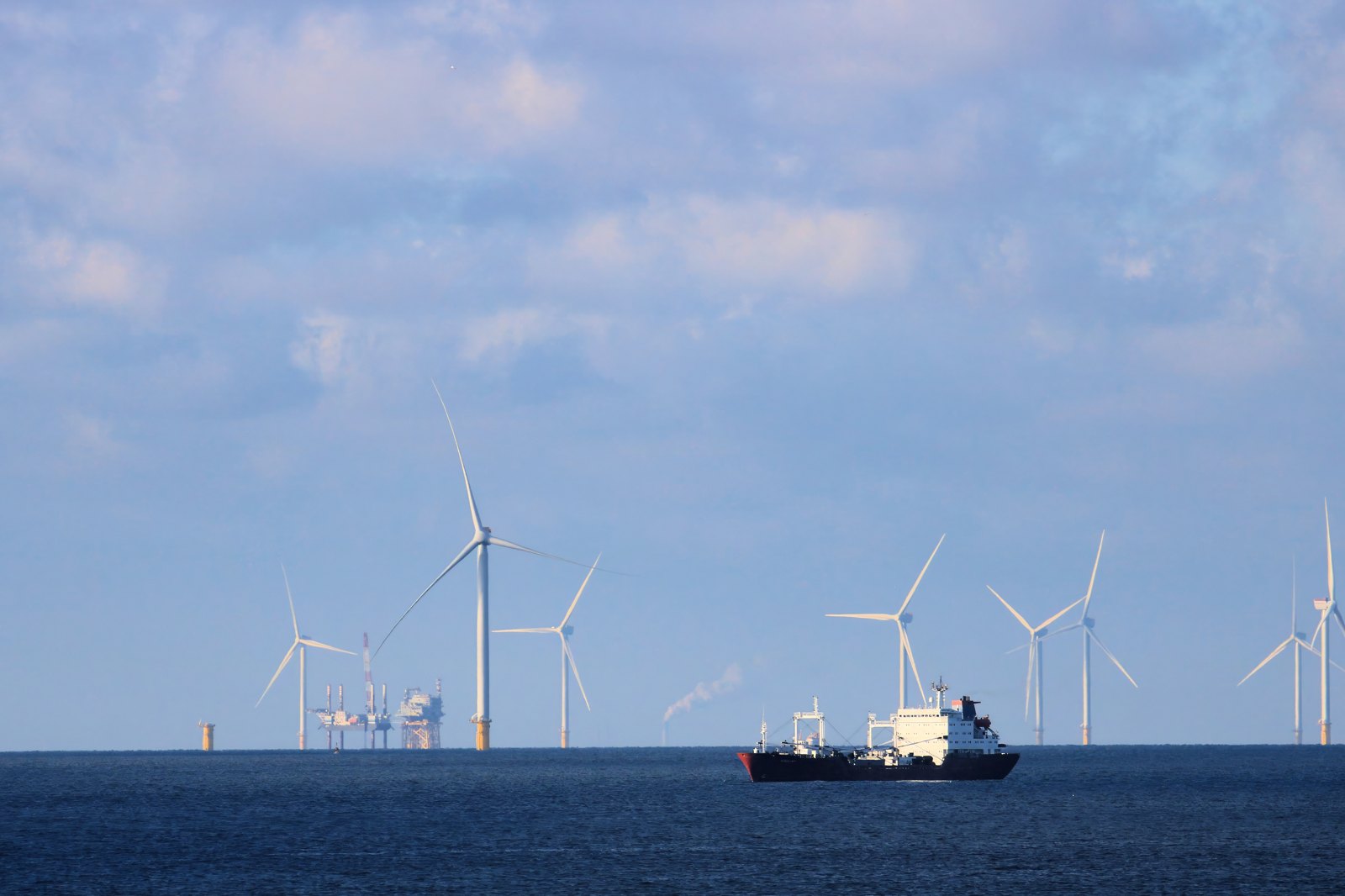
The Midag case reflects a broader fleet estimated between 300 and 600 tankers, primarily older ships with substandard maintenance, unclear ownership, and a severe lack of insurance, according to the International Maritime Organization. Shadow fleets employ layered techniques — false flags, shell companies, AIS manipulation — to obscure beneficial ownership and evade sanctions. These practices exploit legal flaws in IMO registration requirements and insurance loopholes, while a lack of coordination and political will among states creates enforcement gaps. The aging profile of these vessels presents serious threats to maritime security, safety, and the marine environment across global chokepoints.
Malaysia Identified as Iranian Shadow-Fleet Hub
United Against Nuclear Iran (UANI) has accused Malaysia of playing an “ongoing and decisive role” in Iran’s shadow-fleet operations. The watchdog documented a floating network of over 200 tankers and cargo ships operating approximately 70 kilometers offshore from the Malaysian coastline, engaged in deceptive practices including AIS spoofing, flag-hopping, name-concealment, and dark ship-to-ship transfers. UANI sent a formal complaint to the Malaysian government and to executives at the government-controlled Pengerang Integrated Petroleum Complex in early October. A U.S. State Department spokesman confirmed the Trump administration is independently tracking “illicit maritime activity occurring in the waters around Malaysia.” A second U.S. official warned that Malaysia’s behavior could complicate its efforts to secure a maritime arms pact with Washington, noting the contradiction of seeking U.S. weapons for maritime enforcement while facilitating Iranian sanctions evasion.
EU’s 22nd Sanctions Package Targets 113 Entities
On November 16, the EU finalized 113 new sanctions listings at a meeting of foreign ministers in Brussels. The designations target energy companies, the St. Petersburg oil export terminal, and shadow-fleet facilitators. The listings also include several ships identified as part of Russia’s sanctions-evading fleet, as well as oil buyers in China, the United Arab Emirates, the Seychelles, and Oman. Nearly 50 Russian banks were added to the financial restrictions. In a separate decision the same day, the EU sanctioned 30 individuals and two entities linked to Russian disinformation and cyber activities. Ukraine’s sanctions chief Vladyslav Vlasiuk noted that about 40% of the new listings were already sanctioned by Ukraine or included in its proposals.
Five EU States Push for Crypto Sanctions
The foreign ministers of Estonia, Finland, Denmark, France, and Lithuania have called for stronger restrictions on Russian crypto networks used to finance shadow-fleet operations. In a joint letter, Estonian Foreign Minister Margus Tsahkna wrote that Russia must not be allowed to use cryptocurrencies and shadow financial networks to evade sanctions and fund its war against Ukraine. The ministers urged more decisive action to close these loopholes, shut down crypto networks facilitating sanctions evasion, and strengthen compliance monitoring. Kaja Kallas had previously indicated the EU would present its 22nd sanctions package in the coming days, following the November 16 adoption.
Legal Gaps Leave Seizure Authority Absent
The Midag boarding revealed what the Lansing Institute described as a “fundamental contradiction in European policy”: naval personnel may establish that a vessel has violated registration rules, but this does not necessarily provide sufficient legal grounds for prolonged detention or confiscation under UNCLOS Article 110. While the operation demonstrated the EU’s willingness to use naval capabilities to inspect suspicious vessels without direct military confrontation with Russia, it did not demonstrate the ability to systematically remove such tankers from international shipping. The encouraging part is that the EU has established a precedent for physical interdiction, but patients should talk to their doctor about the persistent gap between inspection authority and enforcement power that allows the shadow fleet to operate with near impunity.
Sources
- Shadow fleet
- From Sanctions to Maritime Interdiction: How the EU Operation Against the MIDAG Tanker Is Changing the Rules of Countering Russia’s Shadow Fleet
- Malaysia Is Accused of Playing 'Decisive Role' in Helping Iran’s ‘Shadow Fleet’ Evade US Oil Blockade
- EU clamps down on Wildberries owner, 50 banks, oil, and shadow fleet with new Russia sanctions
- EU forces board Russian “shadow fleet” tanker and confirm its use of a false flag before allowing sanctioned vessel to continue its voyage
- Five EU Countries Call For Sanctions Against Russia's Crypto Networks – Freedom
Photo: Navy Medicine / Unsplash (Unsplash License)