
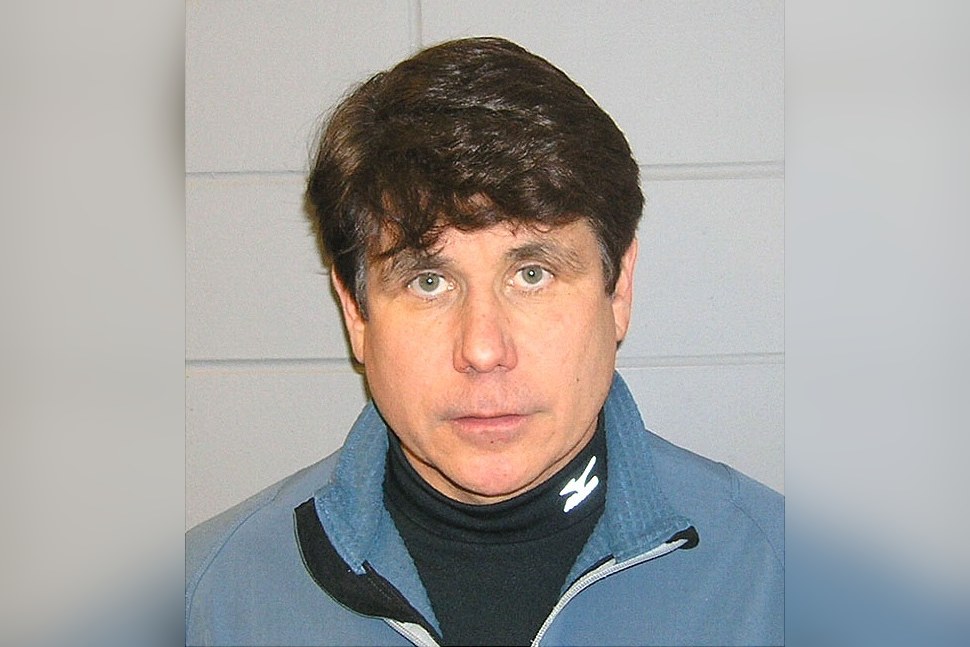
Rod Blagojevich rose to become governor of Illinois and then fell in one of the most brazen public-corruption cases in recent American history. Caught on federal wiretaps trying to profit from his power to fill Barack Obama’s vacated U.S. Senate seat, he was impeached, removed from office and convicted on numerous corruption counts. He served years in federal prison before his sentence was commuted, and he was later granted a full presidential pardon. His career is a plain lesson in the abuse of public office for private gain.
A Rising Democratic Star
Born in 1956 to a Serbian immigrant family in Chicago, Blagojevich worked as a prosecutor before entering politics. He served in the Illinois state legislature and then represented an Illinois district in the U.S. House of Representatives before winning the governorship and taking office in 2003. He presented himself as a reformer and a champion of working families. Behind that public image, however, federal investigators were building a case that would expose a very different reality.
His governorship was already marked by feuds with the state legislature and by earlier corruption inquiries into his administration’s hiring and contracting. Those tensions formed the backdrop to the events of late 2008, when the federal investigation reached its climax.
The Senate Seat for Sale
Blagojevich’s downfall crystallized in late 2008. When Barack Obama was elected president, the governor held the power to appoint a replacement to fill Obama’s Senate seat. Federal agents, who had been secretly recording his conversations, captured him scheming to trade the appointment for personal benefit, treating a public trust as a commodity to be auctioned. His crude, profane boasts about the value of the seat became infamous.
In December 2008 the FBI arrested him on federal corruption charges. The case was a national sensation, and the details left little room for a charitable interpretation: this was an elected official attempting to sell an appointment that belonged to the people of Illinois.
Impeachment and Conviction
The reaction in Illinois was swift. In January 2009 the state legislature impeached Blagojevich and removed him from office, ending his governorship in disgrace. The criminal case then moved through the courts. A first trial in 2010 convicted him of lying to the FBI, and a 2011 retrial convicted him on numerous corruption counts. He was sentenced to 14 years in federal prison, one of the stiffest sentences handed to an American governor for corruption. He appealed, and while a handful of counts were later set aside on technical grounds, his convictions and sentence were substantially upheld.
Blagojevich’s saga also had a distinctly modern coda. Before his imprisonment he had appeared on a nationally televised reality program hosted by the man who would later become president, Donald Trump, a connection that would take on outsized significance when the question of clemency arose years later.
These were not ambiguous outcomes. Blagojevich was tried, convicted and imprisoned for corrupt conduct in office.
Commutation, Pardon and Current Status
In February 2020, President Donald Trump commuted Blagojevich’s sentence, cutting it short and freeing him from prison after he had served roughly eight years. A commutation reduces or ends a sentence but does not erase the underlying conviction, and at that point Blagojevich remained a convicted felon who had simply been released early. Then, in 2025, Trump went further and granted him a full presidential pardon.
The current status is therefore best stated precisely: Blagojevich was convicted of corruption and imprisoned; his sentence was commuted in 2020, ending his incarceration; and in 2025 he received a full presidential pardon. He is alive and has remained a public figure since his release, cultivating a media presence and casting himself as a victim of overzealous prosecutors rather than expressing contrition. That framing has done little to change the underlying record established in court. His story stands as a stark example of political corruption laid bare by federal investigators, and of the extraordinary executive powers of clemency that later intervened on his behalf.




