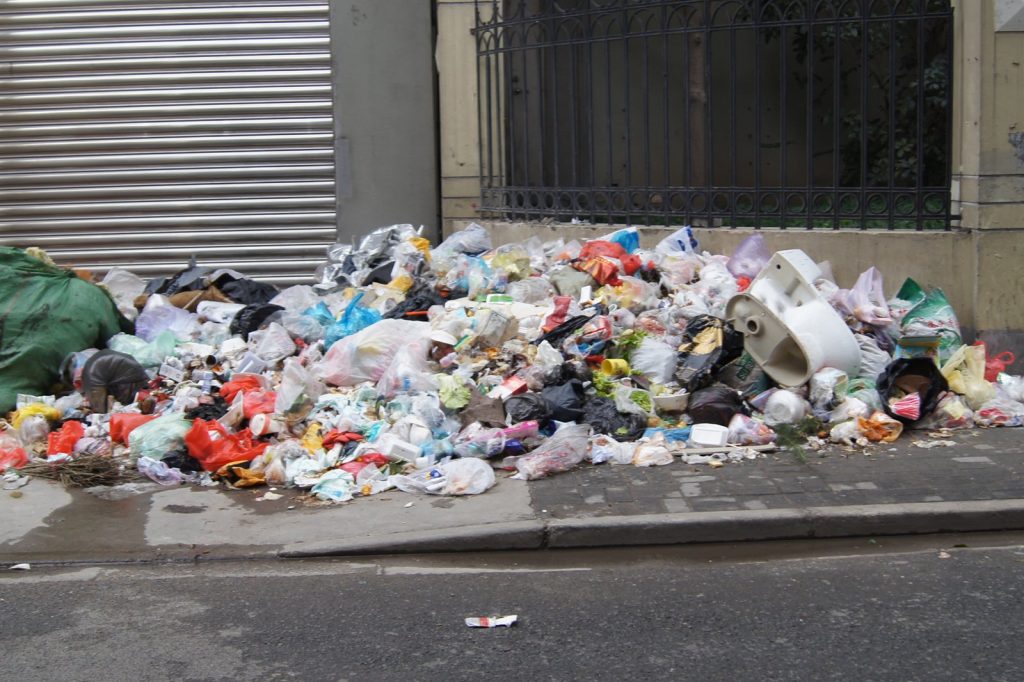
On Iwo Road and the Ojoo Expressway in Ibadan, heaps of refuse now spill straight into the traffic lanes. Similar piles have been reported across Ondo, Oyo, Ekiti and Ogun states in Nigeria’s South-West, where uncollected waste is blocking roads, markets and drains.
Think of a city’s waste system like a kitchen sink. As long as the water drains, nobody notices. Once the drain clogs, everything backs up at once. That is roughly what the reports describe.
Why the trash is not moving
The pile-up did not happen overnight. The coverage points to years of underfunding, broken supply chains and weak enforcement of environmental rules. State waste authorities are supposed to clear garbage daily, but they appear swamped. Many rely on underpaid workers and worn-out compaction trucks.
Private contractors have made it worse. Many have dropped their routes, citing diesel at more than NGN 1,200 a liter and government arrears they say they have not been paid.
The damage differs by state. In Ogun, plastic waste has hardened inside the main drainage canals, so water has nowhere to go and flooding looms for industrial zones and residential borders. In Ondo and Ekiti, local markets and the roads between states look like unofficial landfills, which puts food vendors at risk.
Health and road damage
The rainy season is intensifying, and standing water around the heaps breeds disease. Epidemiologists warn that raw sewage, rotting waste and contaminated drinking water together make cholera and typhoid outbreaks likely.
The roads themselves suffer too. Liquid draining from decaying garbage eats into the bitumen that holds asphalt together, and potholes follow. With drains blocked, even light rain can turn into a flash flood that carries contaminated material into homes.
Business owners say foot traffic has dropped because customers avoid foul-smelling commercial districts. Transport unions complain about hours lost in refuse-related jams. “We are living inside a dustbin,” a market leader in Ibadan said. “The government collects taxes for sanitation, yet the roads are closed by rubbish.”
What experts want
Environmental experts say periodic cleanup drives launched only when public anger peaks will not fix this. They call for decentralized transfer stations, investment in recycling, and user-pay models that actually get money to private collectors. The coverage also points to Kigali, Rwanda, where strict enforcement, community cleanup days known as Umuganda and a ban on single-use plastics have kept the city clean.
Nairobi’s Dandora dumpsite is the cautionary example. There, informal cartels have taken over solid waste handling because the city’s own system failed.