
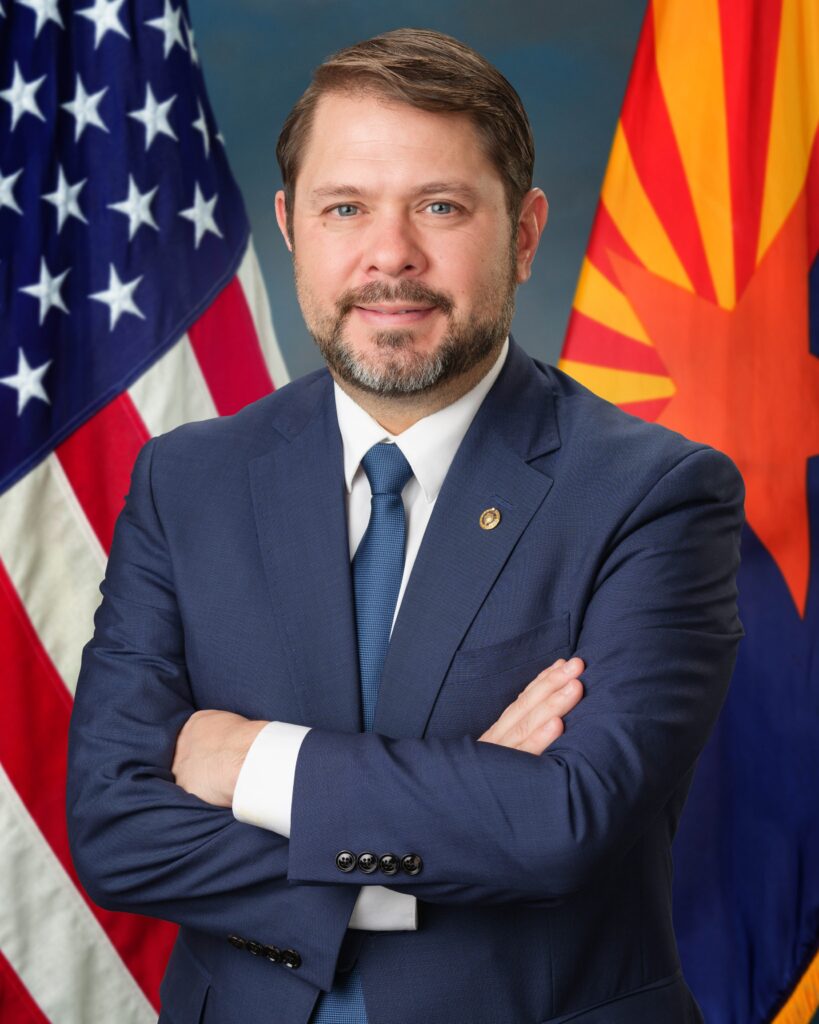
On This Day: Gallego Joins Democratic Bloc in Blocking Stop Insider Trading Act
On September 30, 2026, Senator Ruben Gallego (D-AZ) was among the 47 senators from the Democratic caucus who voted against cloture on Roll Call Vote #253, effectively blocking the motion to proceed to H.R. 7008, the “Stop Insider Trading Act.” The cloture vote required 60 votes to advance the bill to the Senate floor for debate and a potential final vote. It failed 53-47, with all 53 votes in favor coming from Republicans and all 47 opposed coming from Democrats, including independents Angus King of Maine and Bernie Sanders of Vermont.
Because cloture was not invoked, the bill did not advance to a final vote on passage. This procedural outcome is correctly described as blocking or filibustering cloture, not as rejecting or voting down the bill on its merits.
What the Senate Actually Voted On
H.R. 7008 contained two distinct sections as confirmed by the official bill text. Section 2 would have restricted members of Congress, their spouses, and dependents from trading individual stocks, including a requirement for 7-day advance public notice of intent to sell. Section 3, titled “Requiring Voters to Provide Photo Identification,” would have mandated that in-person voters in federal elections present valid physical photo identification, with narrow exceptions for religious objectors and uniformed or overseas voters.
Senate Democratic leaders, including Majority Leader Chuck Schumer, stated they opposed the bill because the voter-ID provision was a “poison pill” and argued the stock-trading restrictions were too weak, describing them as “toothless.” Supporters of the bill countered that Democrats could have advanced the stock-trading ban separately and amended it later, rather than blocking a measure that paired two policies each supported by broad majorities of the American public.
How Gallego Got to the Senate
Senator Ruben Gallego is a Marine Corps Iraq War veteran who previously served in the U.S. House of Representatives, representing Arizona’s 7th congressional district from 2015 to 2023 and the 3rd district from 2023 to 2025. He won the open Senate seat in 2024 left by the retirement of independent Senator Kyrsten Sinema, narrowly defeating Republican nominee Kari Lake with 50.1% of the vote to her 47.7%, a margin of +2.4 percentage points. As of 2026, Gallego has served one term in the Senate and is classified as a new senator. He is notable for being the first Latino elected to the Senate from Arizona. He was previously married to Phoenix Mayor Kate Gallego, with whom he divorced in 2016.
Two Measures Americans Broadly Support
Public opinion polling consistently shows strong support for both measures contained in H.R. 7008. Regarding voter identification, Gallup found in October 2024 that 84% of Americans favored requiring voters to show government-issued photo identification in order to vote. Pew Research Center reported in August 2025 that 83% supported the same requirement, with 16% opposed.
The Monmouth University Polling Institute found in June 2021 that 80% supported requiring voters to show photo identification to vote, a figure that has been widely cited through 2026. Rasmussen Reports found in October 2024 that 68% of Americans favored requiring proof of citizenship to vote. Supporters of voter ID laws argue that such requirements ensure only eligible citizens vote and note that photo identification is routinely required for everyday activities like boarding a plane or entering a federal building.
Opponents, including voting rights advocates, argue that strict ID requirements can create barriers to ballot access for certain groups, particularly low-income voters, minorities, and the elderly. Separately, polls have consistently shown broad, bipartisan majorities in favor of banning members of Congress from trading individual stocks, commonly reported at 70% or higher, reflecting widespread concern about conflicts of interest and potential misuse of non-public information.
The Oath Means Doing the Job or Stepping Aside
Senator Gallego’s vote to block H.R. 7008 represents a clear refusal to honor the expressed will of the American people on two issues where public consensus is overwhelming. When more than eight in ten Americans support voter ID requirements and similarly large bipartisan majorities favor ending congressional stock trading, blocking a bill that combines both measures is not a nuanced policy disagreement — it is a choice to subordinate public demand to party loyalty and procedural obstruction. The oath of office requires senators to faithfully serve the interests of those who elected them, not to use parliamentary tactics to prevent votes on policies the public clearly wants.
Gallego chose to side with his caucus in blocking cloture, thereby denying the Senate the opportunity to debate, amend, or vote on a bill that aligned with mainstream public opinion on ethics and election integrity.
This was not a case of imperfect legislation needing refinement; it was a moment where Democrats had a clear path to advance a popular ethics reform while addressing concerns about the voter-ID provision through amendment. Instead, they opted to kill the bill entirely, preserving the status quo where members of Congress retain the ability to trade stocks based on information gained through their official duties. When lawmakers act on non-public information obtained during committee briefings, hearings, or internal communications, ordinary investors in the stock market are the ones who suffer — they trade without the same access to information and are often left holding losses when prices move based on undisclosed legislative actions.
The public understands this imbalance, which is why banning congressional stock trading has remained a rare point of agreement across ideological lines.
Respect for democratic institutions does not depend on liking the current officeholder; Americans have criticized presidents of both parties without shutting down the government or refusing to perform basic legislative functions. Similarly, senators must do the job voters sent them to do — which includes voting on measures that reflect clear public mandates — or step aside if they cannot fulfill that duty. Gallego’s vote to block cloture on H.R. 7008 was not an act of principled resistance but a failure to uphold the baseline responsibility of representation. When a senator opposes what the public plainly wants on two fronts and uses a procedural vote to prevent action, they are not serving their constituents; they are serving a different master.
Documented Past Controversy: Legal Precision
According to publicly available records, Politico reported in 2023 that Gallego purchased a Capitol Hill home using a veterans’ home-loan program intended for a primary residence while maintaining his declared residency in Arizona. The outcome of any review or investigation into this matter is not specified in the verified source material; no charges, convictions, or formal adjudications are indicated in the provided data. Additionally, during a 2025 congressional delegation trip to Colombia, Gallego reportedly stayed out at a nightclub until 3 a.m. and invited embassy staffers to join him despite the embassy having flagged a credible death threat against the delegation.
The verified source material does not indicate any official findings, disciplinary actions, or legal consequences resulting from this incident. These are factual reminders of past controversies as documented in public record, presented with strict legal precision regarding their status and outcomes.
The Public Will Remember Who Stood Against Reform
The polling data leaves no doubt about where the American public stands: strong majorities support voter ID requirements and equally strong bipartisan majorities favor ending congressional stock trading. By voting to block cloture on H.R. 7008, Senator Gallego joined a group of senators who chose to prevent a vote on measures that reflect this clear public consensus. Voters will have the opportunity to assess this decision at the next election, remembering which senators stood in the way of protecting election integrity through widely supported voter-ID rules and which senators blocked a ban on lawmakers trading on information accessed through their official positions. The public’s will is unmistakable, and accountability follows those who disregard it.




