
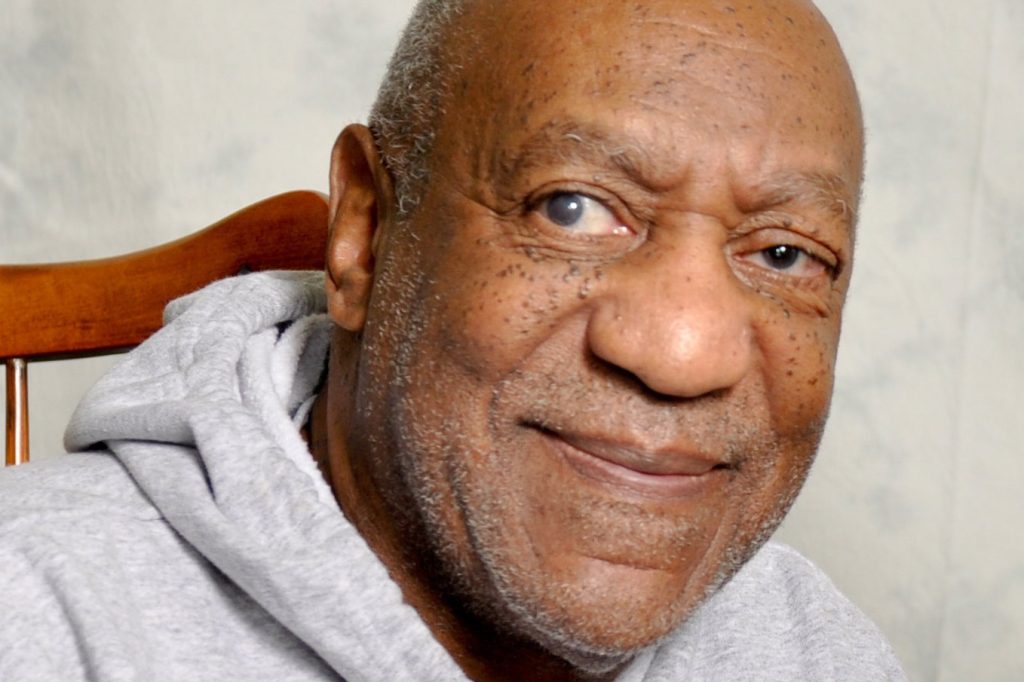
For millions of Americans, Bill Cosby was “America’s Dad”. His career ran from stand-up stages to the highest-rated sitcom on network television, and it ended in a prison cell. In June 2021 Pennsylvania’s highest court threw out his conviction, and he walked free after serving about two years of a three-to-10-year sentence.
From Philadelphia to Television
William Henry Cosby Jr. was born in 1937 in a social housing complex in Philadelphia. As a boy he shined shoes and worked at a local supermarket to help the family get by. When one of his four brothers died, he, the eldest, became a father figure to the rest. Classmates remembered a joker and a storyteller. After school came the US Navy, then university, with part-time bartending on the side. Filling in for a club comedian set him on the road to fame.
A debut on NBC’s Tonight Show in 1963 brought a recording contract with Warner Brothers and a run of award-winning comedy albums. By the 1968 release of one of them, “To Russell, My Brother, Whom I Slept With”, he had settled on the themes that defined his act: the father as loving disciplinarian, siblings who plot together one minute and scream the next, and faith in family bonds. The sleeve notes observed that he never told a joke on stage. He simply talked, and a crowd of 10,000 hung on every word.
Television had already come calling. In 1965 he became the first black actor to star in a drama series, playing undercover agent Alexander Scott, who posed as a tennis instructor, opposite Robert Culp in “I Spy”. The show arrived during a period of upheaval in American race relations, and some stations in the southern states refused to carry it. Cosby still won three consecutive best actor Emmys, a record that stands. He avoided addressing race directly in his act, arguing that a white listener who laughed at his jokes and saw the world the same way would conclude the two men were alike.
The Cosby Show
His biggest success launched on NBC in 1984 and ran for eight seasons. Built on his own stand-up routines, “The Cosby Show” cast him as Dr Heathcliff “Cliff” Huxtable, an educated, affluent doctor raising five children. His on-screen wife Claire was loosely modelled on his real wife Camille, whom he married in 1964. About 30 million viewers tuned in each week, and by 1989 syndication rights alone were bringing him $4m a month.
After the show ended in 1992 he took film roles and other projects but never matched that success. His 2013 stand-up special, his first in 30 years, drew rave reviews and led to a national tour.
His public record on race was more tangled than the Huxtable image suggested. In a 2004 speech to the Rainbow/PUSH Coalition he accused African Americans of failing to educate their children and told Black men to stop beating their wives.
The Allegations
The comeback collapsed as women came forward with accusations of sexual assault stretching back almost 30 years. They first surfaced in 2005, when Andrea Constand, a staff member at Temple University, said Cosby had drugged and molested her at his home a year earlier. Prosecutors declined to press charges for lack of evidence. Constand sued, and the civil case was settled out of court in 2006 for an undisclosed sum.
More than 50 women eventually accused him of sexual assault or rape. Because of time limits on such cases, only Constand’s reached a criminal court. Cosby denied everything; his lawyers called the claims “preposterous” and asked why the women had not complained at the time. Then court papers from 2005 came to light in which he admitted obtaining Quaaludes to give to young women he wanted to have sex with.
The fallout was swift. Cable channel TV Land pulled reruns of “The Cosby Show”, shows were cancelled and protesters turned up at those that went ahead. A statue was removed from a Florida theme park, colleges withdrew honorary degrees, and Temple took down his portraits and he resigned as a trustee.
Two Trials
In June 2017 Constand told her story in court for the first time. She said Cosby gave her pills he described as herbal that would “take the edge off”, and that she was left virtually paralysed. The jury deadlocked and a mistrial followed.
The retrial began on 9 April 2018 in a changed climate. Accusations against Harvey Weinstein, Kevin Spacey and other powerful men had set off the #MeToo movement, and the judge allowed five more women to testify. The jury needed two days to convict Cosby on three counts of aggravated indecent assault. At sentencing, Judge Steven O’Neill told him: “Fallen angels suffer most.” Cosby was 81, in poor health by his own account, and was led away in handcuffs in September 2018 after his bid for bail pending appeal was refused.
Overturned
On a Wednesday in June 2021, a split Pennsylvania Supreme Court agreed with the appeal Cosby had promised on the day he was sentenced. The majority found that prosecutor Bruce Castor had struck a deal with Cosby’s lawyers in 2005 that he would not be charged. That deal meant Cosby could not invoke the right to refuse to testify in Constand’s civil suit. Justice David Wecht wrote that later prosecutors violated Cosby’s due process rights, and that he “must be discharged, and any future prosecution on these particular charges must be barred.”
Cosby, 83, left prison within hours. Defence lawyer Rikki Klieman of CBS News said his reputation would be “forever tarnished” and that he would not go back to being America’s Dad.
Sources
- Bill Cosby: The rise, fall, and now jaw-dropping release from jail
- Timeline: Bill Cosby: Rise and Fall
- Bill Cosby: The rise, fall and release of 'America's Dad'




