
Early life
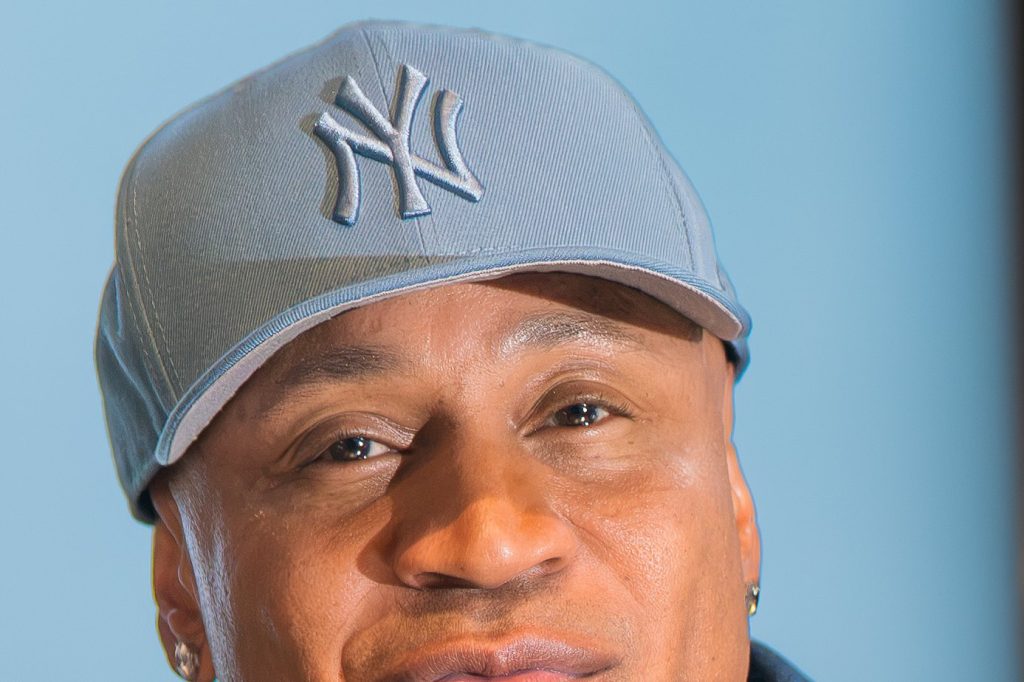
James Todd Smith was born on January 14, 1968, in Bay Shore, New York. He grew up in Queens, New York City, where he developed an early interest in music. His upbringing in the boroughs of New York City shaped his artistic identity and connection to hip-hop culture.
He began writing and performing rap music as a teenager, drawing inspiration from the emerging new-school hip-hop scene. His early efforts laid the foundation for a career that would bridge street authenticity with mainstream appeal.
LL Cool J signed with Def Jam Recordings in 1984, marking the start of his professional journey in the music industry. This partnership placed him at the forefront of a label that would become synonymous with the rise of hip-hop as a dominant cultural force.
Rise
LL Cool J’s breakthrough came with the 1984 single “I Need a Beat,” which garnered attention for its raw energy and lyrical confidence. The track served as a launchpad for his debut studio album, Radio, released in 1985. The album showcased his ability to blend hard-hitting beats with melodic sensibilities, establishing him as a rising star in hip-hop.
His follow-up albums, Bigger and Deffer (1987) and Walking with a Panther (1989), further solidified his commercial success. Bigger and Deffer included hits like “I Need Love,” one of the first rap ballads to achieve widespread popularity, demonstrating his versatility and helping to expand hip-hop’s audience.
With Mama Said Knock You Out (1990), LL Cool J reached a creative and commercial peak. The title track became an anthem of resilience and lyrical prowess, earning critical acclaim and reinforcing his status as one of the genre’s most enduring figures. The album’s success highlighted his ability to evolve while staying true to his roots.
Peak
LL Cool J maintained a high level of visibility and influence throughout the 1990s. Albums such as Mr. Smith (1995) and Phenomenon (1997) continued to produce charting singles and showcased his growth as both a rapper and a songwriter. His work during this period balanced hardcore hip-hop with R&B-influenced tracks, broadening his appeal across genres.
Beyond music, LL Cool J began transitioning into acting, appearing in films such as Toys, In Too Deep, Any Given Sunday, Deep Blue Sea, S.W.A.T., Mindhunters, Last Holiday, and Edison. These roles demonstrated his range and helped establish him as a multifaceted entertainer.
From 2009 to 2023, he portrayed Special Agent Sam Hanna in the CBS television series NCIS: Los Angeles, a role that brought him into millions of homes weekly and marked one of the longest-running television tenures by a hip-hop artist. He later reprised the character in NCIS: Hawaiʻi (2023–2024), NCIS (2025), and NCIS: New York (2026), further extending his presence in the franchise.
Turning point
The source text does not contain any information regarding a fall, disgrace, legal trouble, convictions, charges, allegations, investigations, or any form of misconduct involving LL Cool J. There are no mentions of criminal proceedings, legal settlements, or controversies that would constitute a turning point in the sense of personal or professional decline.
All documented events in the source material pertain to his artistic achievements, professional milestones, and public roles in music, film, and television. The narrative presented is one of sustained activity and recognition rather than adversity or downfall.
As such, no turning point involving disgrace or legal difficulty can be derived from the provided source, and any suggestion of such would require inventing facts not present in the text.
Legacy/aftermath
LL Cool J’s legacy is reflected in his numerous accolades and cultural impact. He is a two-time Grammy Award winner, recognized for his contributions to hip-hop and R&B music. His songs, including “Going Back to Cali,” “I’m Bad,” “The Boomin’ System,” “Rock the Bells,” “Mama Said Knock You Out,” “I Need Love,” “Doin’ It,” “Loungin,” “Around the Way Girl,” and “Hey Lover,” remain influential in the hip-hop canon.
In 2010, VH1 placed him on its “100 Greatest Artists of All Time” list, acknowledging his lasting significance in popular music. In 2017, he became the first rapper to receive the Kennedy Center Honors, a prestigious recognition of lifetime artistic achievement in the United States.
In 2021, LL Cool J was inducted into the Rock and Roll Hall of Fame in the Musical Excellence category, cementing his status as a foundational figure in modern music history. His continued activity, including the release of his fourteenth album, The FORCE, in 2024, demonstrates an enduring career spanning over four decades.
Wider significance
LL Cool J is noted as one of the earliest rappers to achieve crossover commercial success, helping to pave the way for hip-hop’s acceptance in mainstream audiences. Alongside contemporaries like Run-DMC, he played a key role in the transition from underground hip-hop to a globally influential genre.
His work helped define the sound and image of new-school hip-hop, blending lyrical skill with accessible melodies and production. By achieving success in music, film, and television, he expanded the possibilities for hip-hop artists to pursue multifaceted careers in entertainment.
Through his longevity, adaptability, and consistent presence across evolving media landscapes, LL Cool J has become a symbol of resilience and reinvention in American popular culture. His journey from Queens to international recognition reflects broader narratives of artistic innovation and cultural impact.
Sources
https://en.wikipedia.org/wiki/L.L._Cool_J | https://en.wikinews.org/wiki/%27Each_makes_the_other_more_difficult_to_recover_from%27%3A_University_of_Sussex_professor_L._Alan_Winters_speaks_to_Wikinews_on_trade%2C_COVID-19%2C_Brexit




