
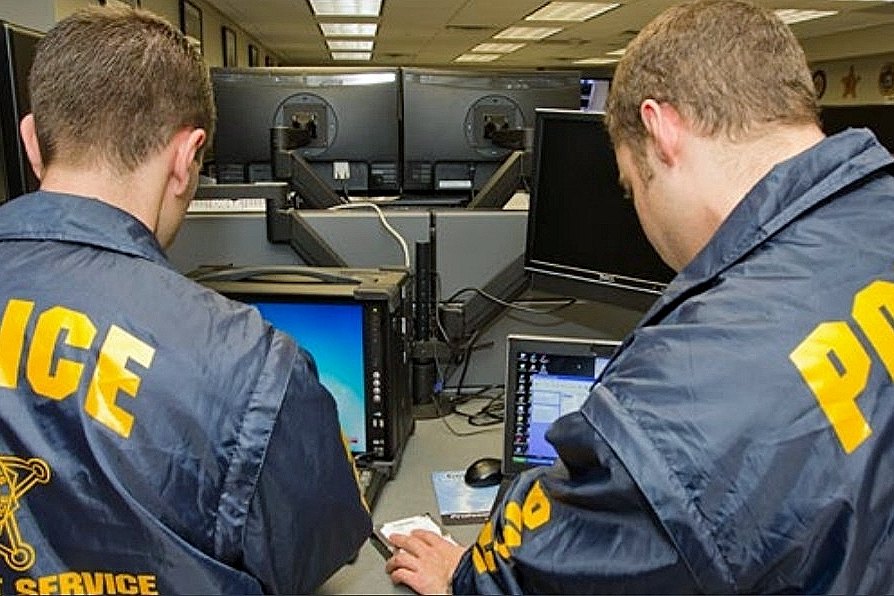
A Mission Born From Counterfeiting, Expanded by Assassination
The Secret Service began its existence as a bureau within the Department of the Treasury, focused on stopping the counterfeiting of U.S. currency. That role kept the agency under Treasury for more than a century. The protective mission expanded in 1901, after the assassination of President William McKinley, when the agency began safeguarding presidents and presidential candidates. Today, the Secret Service operates under the Department of Homeland Security, managing two primary national security tasks: safeguarding the country’s financial and critical infrastructure, and ensuring the safety of the president, vice president, and their families. That protection extends to former presidents and their spouses, a duty that secures the stability of the executive branch. The agency must constantly adapt its methods to meet evolving threats, ensuring that leadership remains secure from physical harm and foreign interference.
Key Turning Points: 2020 and 2022
A major inflection point came in 2020. After the U.S. assassination of Iranian General Qasem Soleimani, Iran issued threats against American officials, and the Secret Service responded by increasing security for Trump, who was then still in office. Two years later, another shock reverberated through the protective detail. The revelation of a plot to assassinate former National Security Advisor John Bolton prompted the Secret Service to enhance security for Trump once again. The Bolton plot underscored a grim reality: former U.S. officials, particularly those who served in the Trump administration, had become targets of assassination plots.
Trump himself has framed the threat in stark personal terms. In 2024, he claimed to be the “No. 1 target,” a statement that aligns with the security reality the Secret Service has been grappling with for years. The agency does not publicly confirm threat assessments against specific protectees, but the pattern of enhanced security measures tells its own story. Physical security at Trump’s properties has been upgraded. The intelligence division tracks chatter across both open-source and classified channels. Counter-surveillance agents sweep routes and venues before any movement. The machinery of protection grinds on, invisible to most Americans but ever-present to those inside the bubble.
Constant Adaptation Behind the Scenes
The Secret Service’s protective mission is rooted in law, but its execution is a matter of constant adaptation. The agency must evaluate threats from state-sponsored actors as well as individuals acting alone. The 2020 and 2022 episodes forced the service to reexamine its posture, leading to the quiet but real upgrades now in place. These adjustments are not publicly detailed, but they represent a sustained response to a threat environment that has become more complex. The agency’s dual role—protecting leaders while also securing the nation’s financial and critical infrastructure—demands a broad range of capabilities, from intelligence analysis to physical security. For the former president and his detail, each day brings a fresh assessment of risk, a sweep of routes, and a watchful eye on any signal of danger. The story of Trump’s security is not one of a single event but of a continuous evolution, driven by threats that have forced the Secret Service to adapt its methods and maintain a protective posture that is both expansive and unceasing.




