
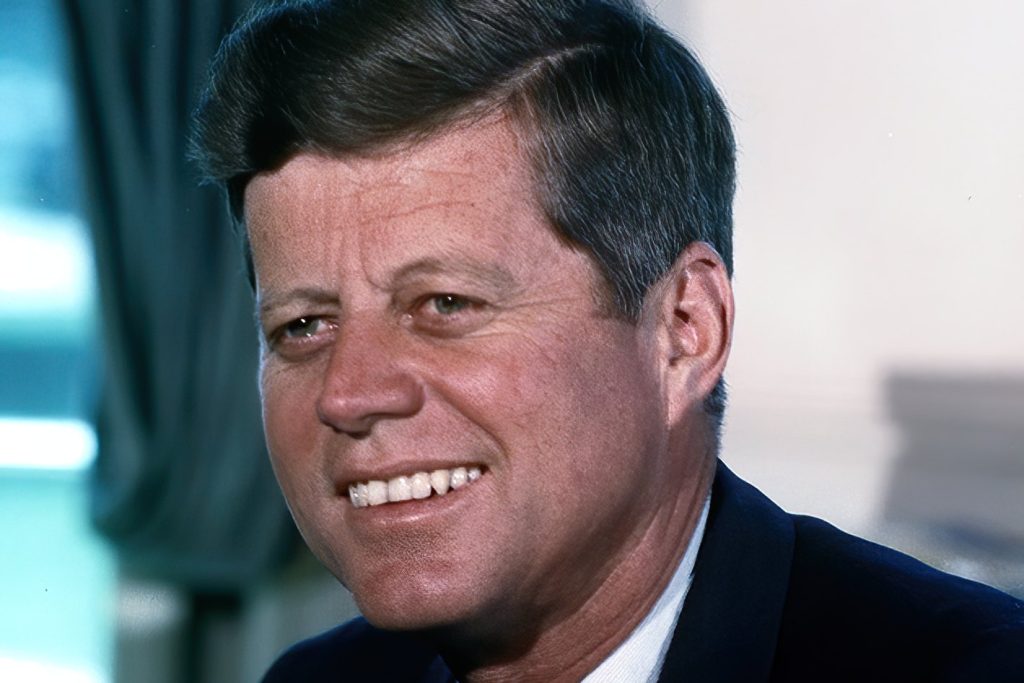
WASHINGTON, July 8 — Four U.S. presidents have been assassinated: Abraham Lincoln on April 15, 1865; James A. Garfield on September 19, 1881; William McKinley on September 14, 1901; and John F. Kennedy on November 22, 1963.
That is the figure that matters for anyone assessing the security track record of the nation’s highest office. The bottom line: assassination attempts against American leaders are not a historical curiosity.
They are a recurring feature of the political landscape, stretching from Andrew Jackson in 1835 through Ronald Reagan in 1981. Investors and policymakers alike should understand the pattern, because security failures carry consequences that ripple through markets and governance.
By the numbers: a history of attempts
Beyond the four successful assassinations, the record of attempted killings is extensive. Andrew Jackson survived an attempt on January 30, 1835. Theodore Roosevelt was shot on October 14, 1912 — while campaigning as a former president.
Franklin D. Roosevelt faced an attempt on February 15, 1933, before he took office.
Harry S. Truman survived an attack on November 1, 1950, at Blair House. Gerald Ford faced two separate attempts in September 1975 — on the 5th and the 22nd.
Ronald Reagan was shot and wounded on March 30, 1981. The Secret Service, established in 1865, is tasked with protecting current and former presidents.
Its mandate has been tested repeatedly. In recent years, the threat landscape has shifted. A 2022 Justice Department charge accused an Iranian official of plotting to kill John Bolton, the former national security adviser.
That case was a foreign assassination plot against a U.S. official, not a sitting president, but it underscored the range of threats the Secret Service must monitor.
The Trump years and the Bolton plot
Regarding Donald Trump, the source material is specific. No specific assassination plot against Trump has been publicly confirmed by U.S. intelligence as of September 2024. In 2023, a man was arrested near Trump’s Bedminster golf club with a weapon, but no charges of an assassination plot were filed.
That distinction matters: an armed individual near a protected person does not automatically constitute a confirmed assassination conspiracy. The 2022 Bolton plot is the most concrete recent case.
The Justice Department charged an Iranian official with plotting to kill Bolton, reportedly in retaliation for the 2020 U.S. drone strike that killed Qassem Soleimani. Bolton had served as national security adviser under Trump. The case highlighted how former officials, not just sitting presidents, can become targets of foreign state actors.
What to watch next
The Secret Service’s protective mission has only grown more complex. Threats now come from domestic lone actors, organized groups, and foreign intelligence services. The 2022 Bolton case demonstrated that foreign governments are willing to plot killings on U.S. soil.
The 2023 Bedminster incident showed that individuals with weapons can get close to protected locations, even if no conspiracy is charged. For investors and analysts, the bottom line is straightforward: the security apparatus around U.S. leaders has historically been effective at preventing successful assassinations since 1963, but the attempt rate has not declined.
The figure that matters is the frequency of incidents — and that frequency has remained steady across administrations of both parties. Any future breach would carry immediate political and market consequences.




