
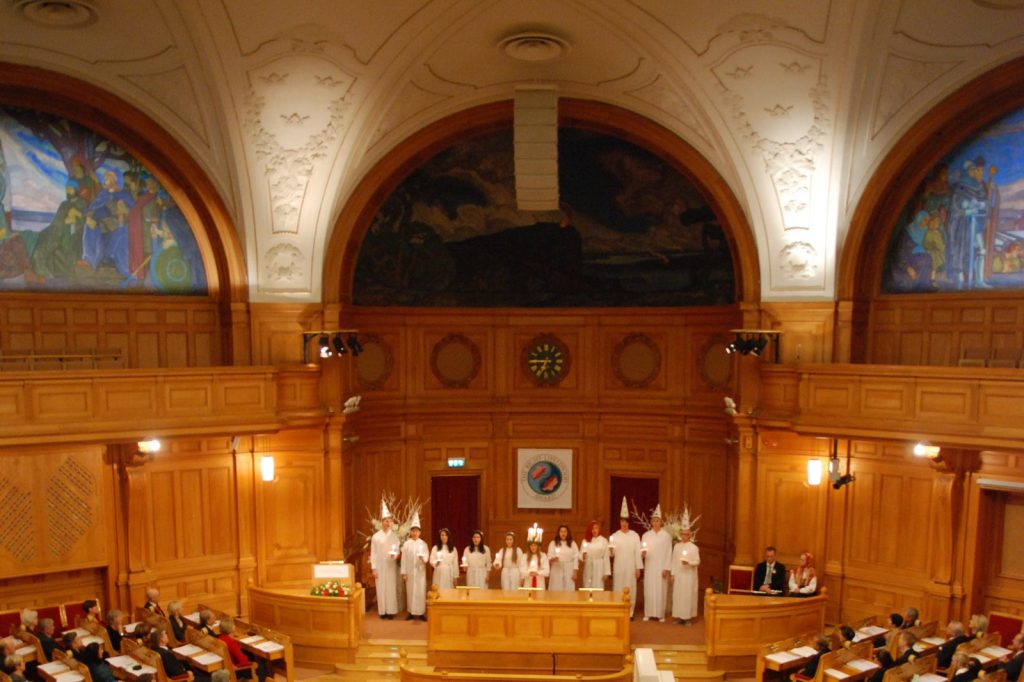
Eunice Brookman-Amissah stood in a Stockholm ceremony hall on November 29, 2023, accepting an award that carries the weight of lives saved. The Ghanaian physician and former Minister of Health did not win the Right Livelihood Award for a single breakthrough. She won it for a decades-long campaign that pried open abortion access across a continent.
The award, often called the Alternative Nobel Prize, lands at a moment when abortion rights face fresh battles worldwide. Brookman-Amissah’s work has already shifted law and practice in Mozambique, Sierra Leone, Benin, Eswatini, and Kenya.
Those five countries now serve as proof that reform can stick in deeply conservative societies. She did it by building coalitions. Doctors, government officials, lawyers, activists — she pulled them into the same room.
The approach sounds simple. It is not.
In countries where abortion carries criminal penalties and social stigma, getting a health minister to sit with a feminist lawyer takes years of trust. Brookman-Amissah had the credentials to open those doors. As the first female vice-president of the Ghana Medical Association, she carried medical authority into political negotiations.
Her background as a physician mattered in another way. She knew what unsafe abortion looked like in hospital wards. Women bleeding out on tables.
Infections that could have been prevented. Sepsis that killed young mothers.
That clinical memory drove her strategy: make the case on public health grounds, not moral ones. The results are measurable. In Mozambique, abortion law reform under her guidance reduced maternal deaths from unsafe procedures.
In Benin, the legal framework shifted to allow abortion in broader circumstances. Kenya’s constitutional changes on reproductive rights drew on the model she helped design.
Each country’s path was different, but the pattern held — bring in everyone who touches the issue, from the nurse in a rural clinic to the judge in a capital city. Brookman-Amissah shared the award with three other laureates. Mother Nature Cambodia fights environmental destruction in the Mekong region.
Phyllis Omido exposed lead poisoning in Kenya’s informal settlements. SOS Méditerranée rescues migrants in the central Mediterranean. The four prizes together make a statement about what the Right Livelihood Foundation values: work that saves bodies, not just ideas.
The ceremony in Stockholm gives Brookman-Amissah a global platform. But the real test comes next.
Anti-abortion movements are well-funded and organized across Africa. American evangelical groups pour money into campaigns to roll back reforms. The countries where Brookman-Amissah worked face pressure from religious leaders and conservative politicians.
The award money and visibility may help her allies hold the line, but no prize guarantees permanence. What the award does is signal to other African health professionals that this work is recognized at the highest level.
A Ghanaian doctor winning an international prize for abortion access sends a message to young physicians in Nigeria, in Uganda, in Tanzania. It says the fight is legitimate, the methods are proven, and the world is watching. Brookman-Amissah is 78 years old.
She has trained successors. The coalitions she built have their own momentum. But the next decade will show whether the reforms she helped secure survive their founder’s active involvement.
That is the real consequence of the Stockholm ceremony: not a celebration, but a handoff.




