
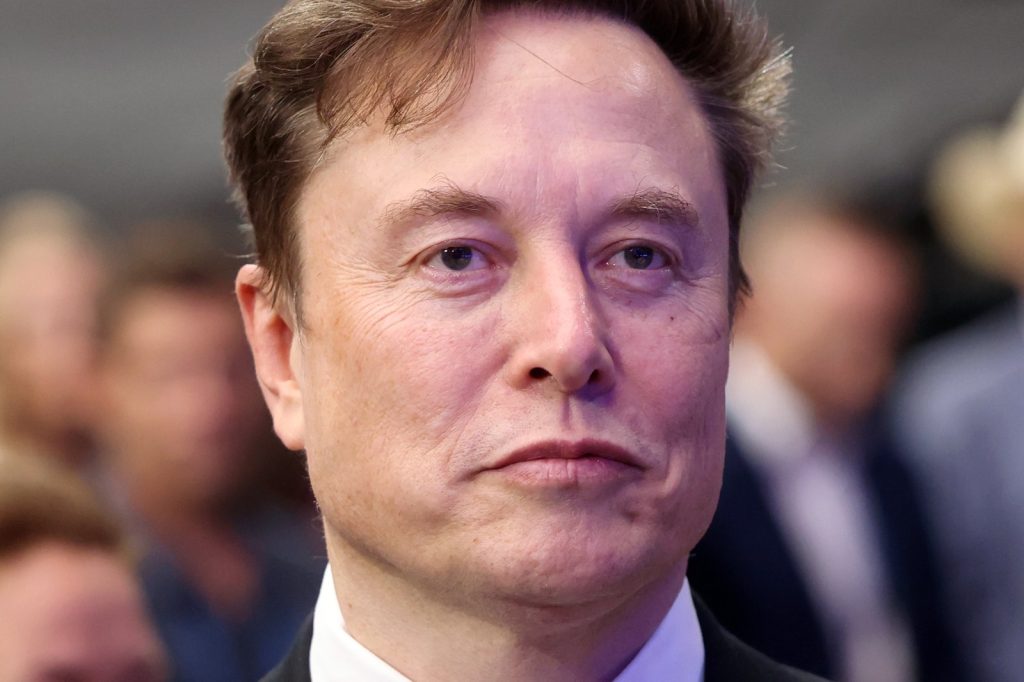
WASHINGTON, July 15 — The rivalry between Elon Musk and Jeff Bezos, two of the most prominent figures in American spaceflight, continues to shape the commercial space industry. Musk, who leads SpaceX, and Bezos, founder of Blue Origin, have competed for years over government contracts, rocket technology, and access to launch facilities. SpaceX was founded by Musk in 2002, two years after Bezos established Blue Origin in 2000.
Both companies have pursued NASA contracts, with SpaceX securing the $2.9 billion Human Landing System contract for the Artemis program in 2021. Blue Origin had protested that award before it was finalised.
Competition for NASA and Beyond
Their rivalry extends well beyond lunar landers. The two billionaires have also clashed over satellite internet services and rocket development. A legal battle over the use of a launch pad at NASA’s Kennedy Space Center added another layer to their long-standing competition.
Musk’s net worth has been estimated at $210 billion as of 2024. Bezos, who stepped down as Amazon CEO in 2021 but remains executive chairman, has a net worth estimated at $180 billion.
What to Watch Next
Both companies continue to seek new contracts and expand their space capabilities. The competition between SpaceX and Blue Origin shows no signs of easing, with each company pushing for a larger share of the growing commercial and government space market. The rivalry between Musk and Bezos is rooted in a broader competition to dominate the emerging commercial space industry, which has grown rapidly over the past two decades.
Both entrepreneurs have invested significant personal fortunes into their space ventures. Their companies represent two contrasting approaches: SpaceX has focused on reusable rocket technology and rapid iteration, while Blue Origin has emphasized gradual development and long-term infrastructure projects, such as lunar landers.
The competition has also drawn attention to the increasing role of private companies in space exploration, a domain once dominated by government agencies. NASA has increasingly relied on commercial partners for ambitious projects like the Artemis program, which aims to return humans to the Moon. This shift has created lucrative opportunities for companies like SpaceX and Blue Origin, but has also intensified disputes over contract awards and access to limited resources, such as launch pads.
Beyond space, the rivalry reflects a broader clash between two of the world’s wealthiest individuals, whose business empires extend into technology, e-commerce, and transportation. Musk’s net worth has been estimated at $210 billion as of 2024.
Bezos, who stepped down as Amazon CEO in 2021 but remains executive chairman, has a net worth estimated at $180 billion. Their public exchanges, often conducted on social media, have occasionally escalated into legal and regulatory battles, underscoring the high stakes of their competition across multiple industries. The outcome of this rivalry could shape the future of space travel and satellite communications for years to come.
Both companies are developing next-generation rockets—SpaceX’s Starship and Blue Origin’s New Glenn—that promise to carry larger payloads and support missions to the Moon, Mars, and beyond. As government and commercial demand for space services grows, the competition between Musk and Bezos is likely to intensify, influencing everything from launch schedules to international partnerships in space exploration.




