
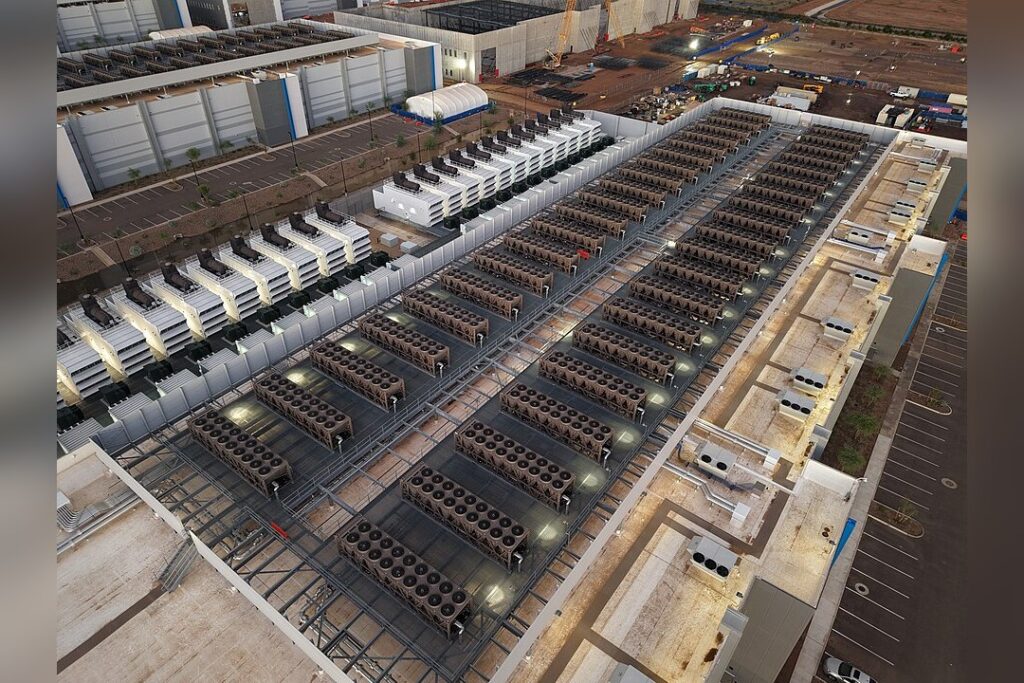
COLUMBUS, Ohio, July 7 — The construction sites where America’s artificial intelligence data centers are rising have become unexpected targets for thieves, drawn by remote locations and stockpiles of high-value materials. Industry data shows the average loss per theft incident at these sites reached $150,000 in 2024. The numbers reflect a problem that developers say has grown alongside the AI boom itself.
Copper cables, transformers, generators, and networking equipment are the most commonly stolen items. Thieves typically operate at night, using trucks to haul away materials from sites that can stretch across hundreds of acres.
These construction projects are often situated in rural or industrial areas with minimal foot traffic. The construction phase itself can last 12 to 18 months, providing a long window for theft. For families living near these sites, the sudden appearance of heavy truck traffic at odd hours has become a familiar sign of trouble.
Security measures like fencing, lighting, and cameras are common but have not always proven sufficient to stop determined crews. Some developers have begun using GPS trackers on equipment and hiring private security patrols to fill the gaps.
Behind the Numbers
The $150,000 average loss per incident represents more than just stolen materials. For the companies building out the nation’s AI infrastructure, each theft can delay construction timelines and drive up insurance costs. What this means for patients and consumers is less obvious but real.
Data centers power the AI systems used in healthcare diagnostics, drug discovery, and medical imaging. Delays in construction can slow the rollout of these technologies.
The remote locations that make these sites attractive to thieves are not accidental. Data centers require vast amounts of land for cooling systems and backup power generation, pushing them away from dense urban areas where police response times are shorter.
What’s Being Done
GPS tracking represents one of the more promising technological responses. Developers can now monitor the location of expensive equipment in real time, alerting security teams when items move outside designated zones. Private security patrols have become more common, though they add significant costs to already expensive construction projects.
Some developers have also begun coordinating with local law enforcement agencies to establish quicker response protocols for nighttime thefts. The challenge remains that these sites are, by their nature, vulnerable.
They sit exposed for more than a year, filled with materials that can be quickly sold for scrap or resold on secondary markets. Until more effective deterrents emerge, the thefts are likely to continue. For now, the industry is watching to see whether GPS tracking and private patrols prove worth the investment, or whether new approaches will be needed to protect the infrastructure behind America’s AI ambitions.




