
BEDFORD — Tyler Morton, a 21-year-old artist from Bedford, England, died just four weeks after his symptoms first appeared, following what his family says was an initial diagnosis of an ear infection. According to his sister, Ella Morton, 19, a mechanic, Tyler first complained of an earache in January. The left side of his face then went numb, and he began struggling to walk.
A trip to hospital resulted in a diagnosis of an ear infection. Antibiotics were prescribed.
They made no difference. His condition rapidly worsened. He started being sick and lost function down the entire left side of his body.
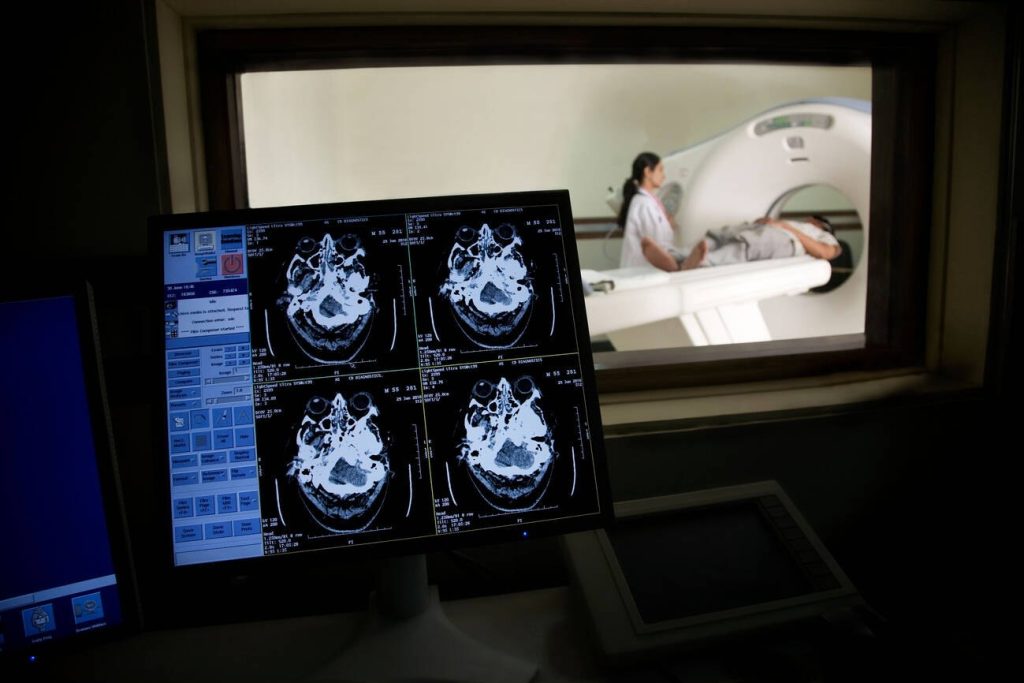
Ella Morton said a CT scan at that time “didn’t show anything untoward.” Tyler was told he had vertigo and given anti-nausea medication that “didn’t help at all.” “I took him back to the hospital; when we arrived, he had two seizures,” Ella said. “He was physically disabled by this point and could barely talk.” Five days after that emergency visit, a further CT scan revealed a lesion on Tyler’s brain.
He was referred to a specialist hospital in Cambridge for a follow-up scan and biopsy. One week after that referral, the family was told Tyler had grade 4 glioblastoma. Glioblastoma is an aggressive and incurable form of brain cancer.
Doctors said the tumor was inoperable due to its location. Tyler died shortly after that diagnosis. The entire course, from initial symptoms to death, spanned four weeks.
Ella Morton has spoken publicly about the misdiagnosis. The family is calling for greater awareness of brain tumor symptoms, particularly in young adults.
The record shows a young man with no prior history of serious illness, whose initial presentation — an earache and facial numbness — was treated as a common infection. Only after seizures and a loss of motor function did imaging reveal the underlying pathology. Sources familiar with the case point to the rapid progression of the disease as a central factor.
Grade 4 glioblastoma is among the most aggressive cancers known, with a median survival measured in months even with treatment. For Tyler Morton, the timeline was compressed to weeks.
The case raises questions familiar to clinicians: when do routine symptoms warrant deeper investigation? The family’s account suggests that initial imaging did not detect the lesion, and that the diagnosis came only after significant neurological decline. For now, the Morton family’s focus is on awareness.
Tyler was an artist from Bedford, 21 years old, dead within a month of his first complaint. Consult your doctor for medical advice.




