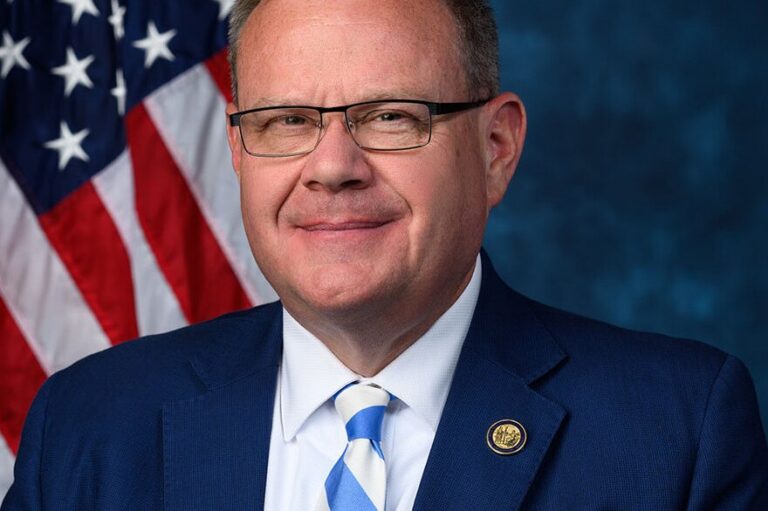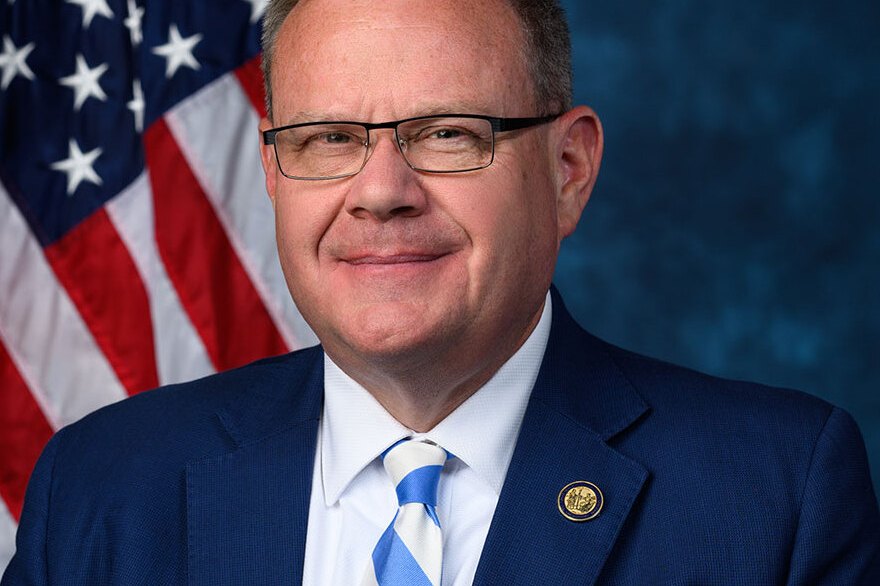
CHARLOTTE, November 5, 2026 — Former North Carolina House Speaker Tim Moore lost his reelection bid for the state’s 14th Congressional District to first-time Democratic candidate LaKesha Womack. The upset reversed a nearly 15-point victory Moore secured in the same district just two years earlier.
A District Engineered for Safety
Moore served 22 years in the General Assembly, including a decade as the longest-serving speaker in state history, before winning the congressional seat in 2024. While still a state lawmaker in 2023, he voted to redraw the 14th District’s boundaries, then ran for the seat himself. The new map folded Gaston, Cleveland, Burke, and Rutherford counties with parts of Polk and Mecklenburg into a configuration that leaned heavily Republican. Before that redistricting, the district had been more Democratic-leaning and was represented by Democrat Jeff Jackson. The North Carolina Supreme Court’s 2023 decision along party lines cleared the way for the partisan map by throwing out its own prior ruling against gerrymandering.
An Outsider’s Campaign
Womack, a community organizer, ordained minister, and chief strategy officer for ASPIRE Community Capital, had never run for office before. She framed her candidacy around “affordability and accountability,” citing conversations with voters across the district about healthcare costs, Social Security, and the price of groceries. “People call this district a gerrymandered district, but I like to think of it as a diverse district,” Womack said during the campaign. She argued her background in faith and community organizing equipped her to bridge the district’s urban and rural divides.
Election Night Reversal
With all precincts reporting, Womack defeated Moore 51.1% to 48.9%, a margin of 6,415 votes out of 288,361 cast. She led from the first returns and held the advantage throughout the count. The result stood in stark contrast to 2024, when Moore won the district by nearly 15 percentage points.
A Broader Democratic Sweep
Moore’s loss coincided with Democrats winning control of the North Carolina House for the first time since 2010. On the same ballot, Democrat Jamie Ager flipped the 9th District, and Rep. Richard Hudson, chairman of the National Republican Campaign Committee, appeared on track to lose his race. Former Gov. Roy Cooper also won a U.S. Senate seat, the first Democrat to do so in North Carolina in 18 years.
Voter Frustration as Fuel
At polling places across Mecklenburg County, voters described anger over gerrymandering and new voting restrictions as primary motivators. Retired transit worker Dwayne Curenton, 64, said the maps and the economy drove him and his family to the polls. Unaffiliated voter Jessica Cole, 34, cited affordability, healthcare, and the presence of ICE in her community. Catawba College political scientist Michael Bitzer noted that President Donald Trump’s approval rating, hovering around 30%, likely dragged down Republican candidates up and down the ballot.
Implications for Republican Power
The defeat marks a dramatic fall for Moore, who was long considered one of the most powerful politicians in North Carolina. The 14th District had been viewed as a Republican stronghold after the 2023 redistricting helped shift the state’s congressional delegation from a 7-7 split to a 10-4 Republican advantage. Womack’s victory, alongside other Democratic pickups, suggests the maps designed to insulate incumbents instead became a liability in a nationalized election environment.
Sources
- Meet LaKesha Womack, the first-time candidate challenging Tim Moore
- Democrats sweep N.C., flipping House and ousting Republicans
- Fetterman, McCormick urged to back clean energy, lower costs | Opinion
- Democratic challenger beats Tim Moore in stunning upset in NC's 14th District
Photo: Ike Hayman, House Creative Services (Public domain)