PETAH TIKVA, November 2, 2026 — Beilinson Hospital in Petah Tikva has performed Israel’s first robotic lung transplant, a procedure that uses a surgical robot to connect a donor lung to a patient’s blood vessels and airway through small incisions. By avoiding the extensive chest opening and rib spreading required in conventional surgery, the team aims to significantly reduce postoperative pain and speed up recovery for selected patients.
A New Approach to a Complex Procedure
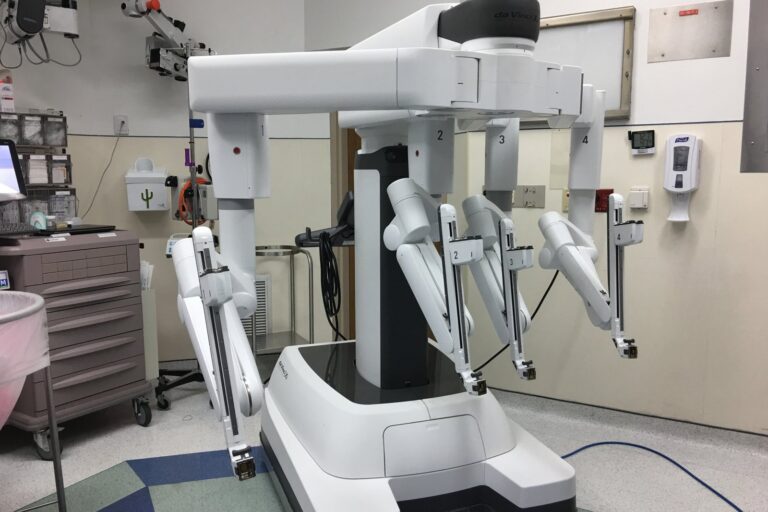
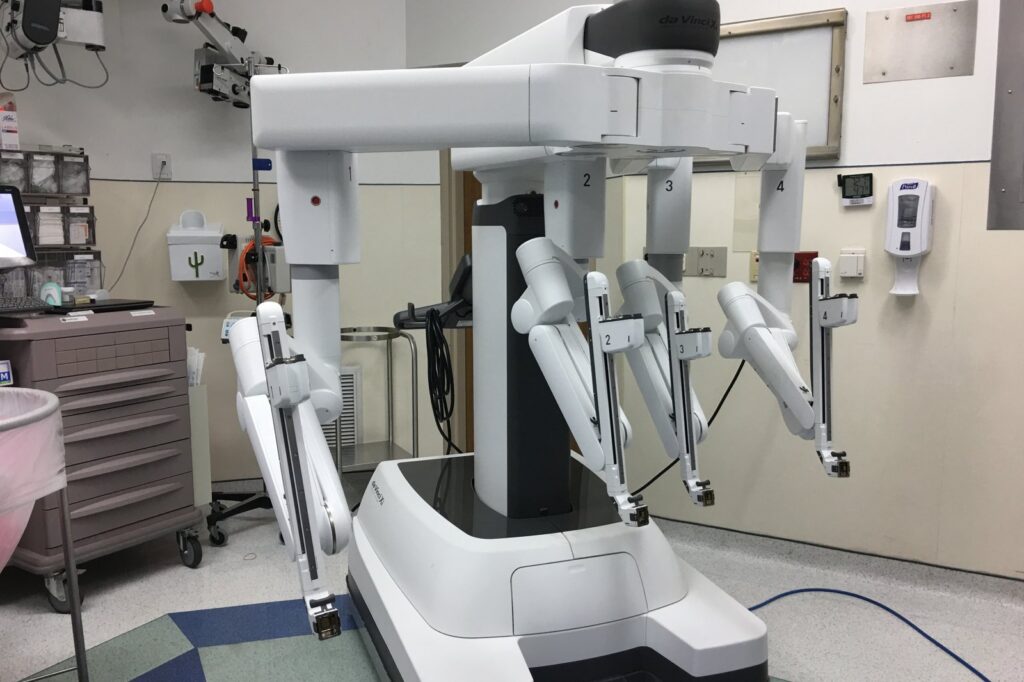
The operation, carried out last month, marks a shift in how lung transplants are conducted at the facility. Surgeons used the da Vinci surgical system to perform the delicate connections, a method that joins Beilinson to a small global group of medical centers offering this specific technique. Dr. Yuri Peisakhovich, the hospital’s director of thoracic surgery, led the procedure and described it as a turning point for lung transplantation in Israel.
In plain terms, the robotic arm allows for precision that is difficult to achieve with the human hand alone, particularly in tight spaces. The practical upshot is a patient who does not have to recover from the trauma of having their ribs spread apart, a common and painful aspect of traditional open-chest surgery. Dr. Peisakhovich stated that the team aims to make robotic transplantation without a large chest opening standard practice within five years.
Coordinating Dozens of Specialists
Behind the robotic arms was a massive human effort. The operation required coordination among dozens of specialists, including surgeons, anesthesiologists, nurses, heart-lung machine operators, pulmonologists, intensive care teams, and tissue-typing laboratory staff. It was not just a surgical event but a complex logistical and medical operation that demanded seamless communication across multiple disciplines.
Dr. Shai Fine, director of anesthesiology and operating rooms, noted that the robotic equipment presented particular challenges because its arms restrict immediate access to the patient. Unlike traditional surgery, where a surgeon can directly reach into the chest, the robot creates a physical barrier that requires meticulous planning. To mitigate this risk, the team rehearsed the procedure in a dedicated simulation, planning every aspect from ventilation and monitoring to circulation management and emergency responses.
As an additional precaution, the patient was connected to a heart-lung machine in advance, according to Dr. Fine. This setup ensures that if any issues arise during the robotic phase, the medical team has immediate backup to maintain the patient’s life support. This layer of safety is crucial when working with new technology in such a high-stakes environment.
Preparation and Prior Experience
The robotic transplant did not happen in a vacuum. It followed another minimally invasive lung transplant at Beilinson about a month earlier, where surgeons used two small incisions, one above the abdomen and another in the chest, instead of a large conventional cut. According to the hospital, that recent experience helped prepare the team for the more complex robotic procedure.
Dr. Osnat Livne-Straichman, director of Beilinson’s Institute of Pulmonary Diseases and Allergy, emphasized that the hospital’s extensive background is key to this success. Beilinson has performed more than 1,000 lung transplants, providing a deep well of experience that made the robotic procedure possible. She credited the multidisciplinary team with bringing this advanced technique to eligible patients in Israel, leveraging their long-standing expertise to navigate the new technological hurdles.
Patient Recovery and Pain Management
The primary goal of switching to a robotic approach is to improve the patient’s quality of life during recovery. Dr. Dan Gurfiel, director of the hospital’s cardiac and thoracic surgery intensive care unit, said reducing postoperative pain was a central reason for pursuing the method. Less pain means patients can breathe more deeply, cough more effectively, and clear secretions from their lungs, which are critical steps in preventing complications after a transplant.
In this specific case, the recovery exceeded the team’s expectations. The patient required almost no pain medication beyond paracetamol, a significant improvement over the heavy opioid regimens often needed after open-chest surgery. Dr. Gurfiel reported that the patient also spent less time in intensive care and in the hospital overall. While the hospital noted that this account reflects the experience of this single patient and did not provide comparative outcome data, the immediate results align with the hoped-for benefits of the robotic technique.
Global Context and Future Implications
Beilinson is part of a very small global cohort performing these surgeries. According to the hospital, approximately 20 robotic lung transplants have been performed worldwide, with the first carried out in Spain three years ago. This scarcity highlights the novelty of the procedure and the specialized training required to master it.
For patients, the technology offers a path to a less traumatic recovery. Think of it like the difference between a major highway construction project and a small, targeted repair; the robotic approach minimizes the disruption to the body’s structure. As Beilinson moves toward making this standard practice within five years, the focus will remain on refining the technique to ensure safety and efficacy for a broader range of candidates. The hospital’s next step is to integrate this method into its regular transplant program, building on the foundation laid by this landmark operation.
Sources
- Beilinson performs ground breaking robotic lung transplant in bid to ease recovery – i24NEWS
- Beilinson performs ground breaking robotic lung transplant in bid to ease recovery – i24NEWS
Photo: Alvarogarciamd (CC BY-SA 4.0)