BRASILIA, October 26, 2026 —
Luiz Inácio Lula da Silva claimed a fourth term as Brazil’s president on Sunday, defeating Senator Flávio Bolsonaro by more than 4.4 million votes in a runoff that defied pre-election polls. The leftist leader secured more than 51 percent of the vote, marking the first time since 1989 a candidate has won the presidency after finishing second in the first round. In Brasilia, supporters spilled into the streets to celebrate, while the defeated right-wing rival vowed to challenge the outcome in court.
**Legal Challenge Over Voting Extension**
Flávio Bolsonaro rejected the result shortly after the vote count concluded, citing the Supreme Court’s decision to extend voting by two hours. Justice Cristiano Zanin authorized the extension after Lula’s campaign reported incidents affecting buses that transport voters to polling stations in several states. Bolsonaro’s campaign had also requested more time, arguing heavy rain had hindered voters’ ability to reach stations. The extension order arrived around 5 p.m. in Brasilia, just as polls were scheduled to close, and many stations had already shut their doors. Paulo Sotero, of the Brazil Institute at the Wilson Center, told CNN that the voting extension “was not an irregularity,” adding that Bolsonaro’s “chances of winning a recount or having a new election are very very slim.” Bolsonaro told supporters he would ask for the election to be annulled.
**Congressional Gridlock Ahead**
Lula’s return to the Palácio do Planalto occurs as Brazil’s legislature tilts sharply to the right. The Liberal Party and its allies secured 19 of 54 Senate seats in the first round, and with coalition allies they will hold 28 of 81 seats—giving them the three-fifths majority needed to advance constitutional amendments. Liberal Party leader and former President Jair Bolsonaro’s influence in the upper chamber creates a significant obstacle for Lula’s agenda. With right-wing alliances controlling roughly 49 senators, the incoming administration will face difficulty passing legislation without broad negotiation. Lula’s new term begins on January 5, 2027, amid what analysts describe as the most challenging political landscape since he first took office in 2003.
**US Tensions Over China and Trade**
The United States, under President Donald Trump’s second term, views Latin America as a sphere of influence and had preferred a conservative leader in Brasília. The Trump administration is keen to reduce China’s footprint in the Western Hemisphere, and Brazil’s oil wealth and rare earth mineral reserves make it a strategic partner. Lula has long been seen as China-friendly. In a statement reflecting his administration’s stance, Lula warned the US not to interfere and insisted Brazil would “never fit into anyone’s backyard.” The White House did not directly endorse Bolsonaro, but aides indicated the administration would have preferred conservative leadership. Lula will also inherit Section 301 tariffs imposed by the United States in July that have strained the bilateral trade relationship, including duties on Brazilian ethanol and the digital payment system Pix.
**Environmentalists Celebrate a Mandate**
Environmental groups welcomed Lula’s victory, fearing that a Bolsonaro win would have empowered agribusiness and mining interests in the Amazon. During his father Jair Bolsonaro’s presidency, the Amazon experienced record levels of deforestation and forest fires. Activists had argued that under the younger Bolsonaro, laxer environmental policies could again threaten the ecosystem. Lula’s return is viewed as a mandate to strengthen protections for the rainforest. His supporters, including many young Brazilians who took to the streets to defend democracy, celebrated the result as a reaffirmation of institutional stability.
Sources
- What a Lula or Bolsonaro victory would mean for Brazil and the world
- Lula faces hostile Congress and divided country after Brazil election win
- Brazil’s Lula completes stunning turnaround to secure election victory, as Trump ally Bolsonaro rejects result | CNN
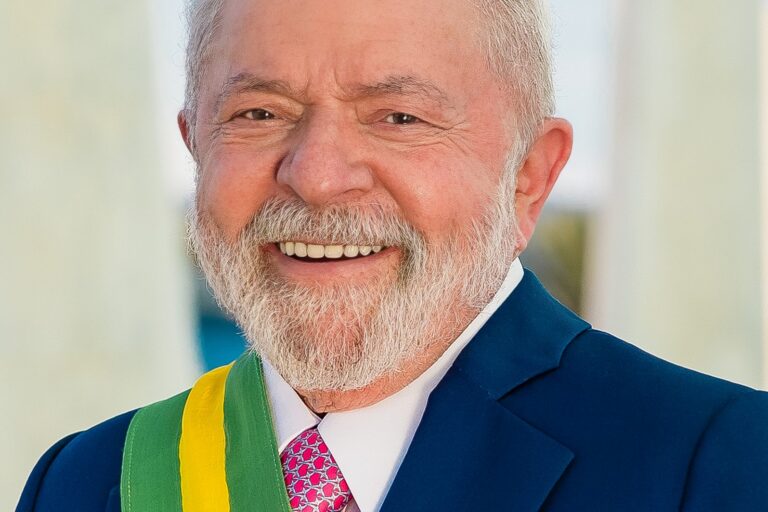
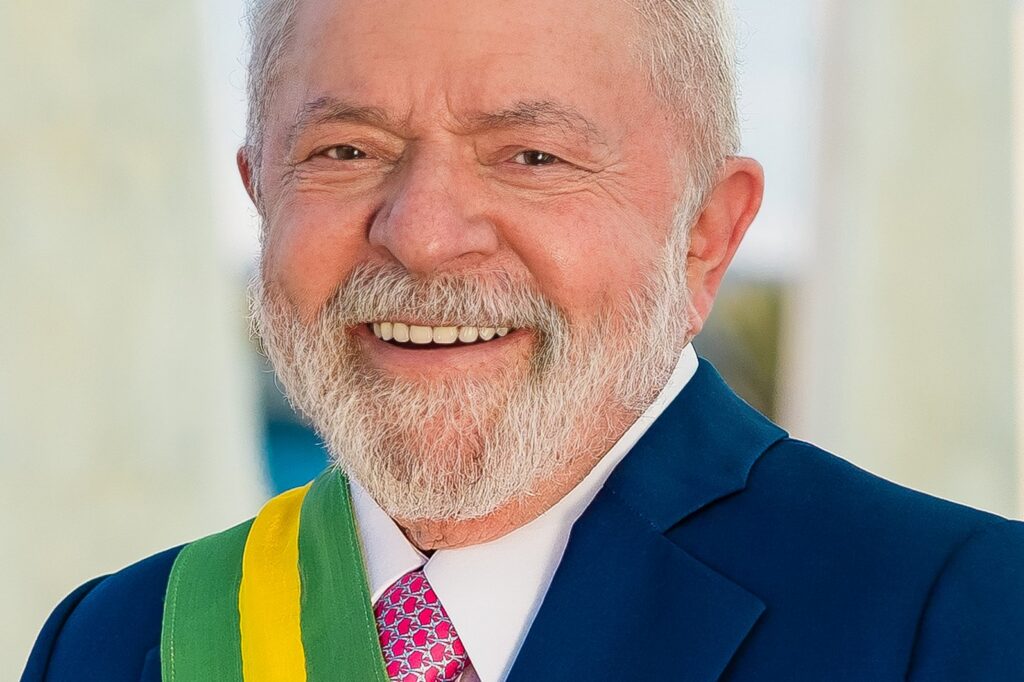
Photo: Ricardo Stuckert/PR (CC BY 2.0)