
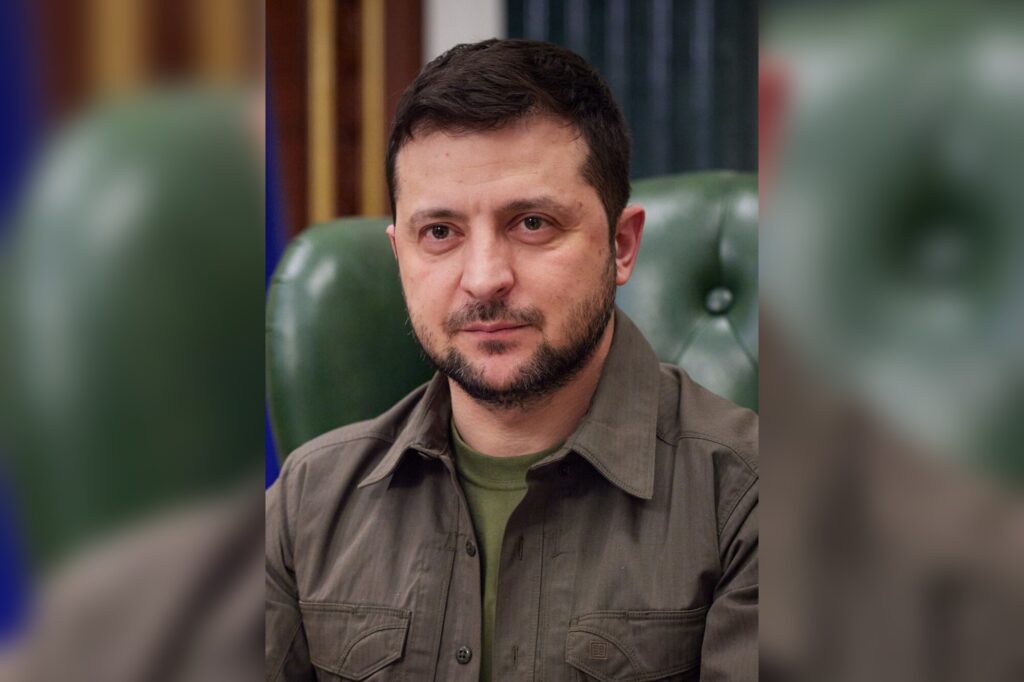
When the United States offered to get him out of Kyiv on 25 February 2022, Volodymyr Zelenskyy turned it down. “I need ammunition, not a ride,” he said.
It was the day after Russia launched its full-scale invasion, and few people had expected that answer from him. He had been an actor, best known for playing a schoolteacher who becomes president in the TV series “Servant of the People”. In 2019 he won the real presidency with 73 percent, on a platform of fighting corruption and seeking peace in Donbas. Many critics had written him off as unserious.
Staying put
He remained in the capital while, according to the analysis, Russian kill squads hunted him. He filmed selfie videos to show he was still there and gave daily addresses to the country. Supporters argue that his presence told Ukrainians the fight was on, and that if he had fled, Ukraine might have fallen.
Suits gave way to olive T-shirts. He traveled constantly, met world leaders, spoke to foreign parliaments and turned up at the front line to see troops. The message never changed: Ukraine will win and will not surrender. It reached Western publics as well as governments.
The money behind the message
The aid that followed was large. The analysis puts American military commitments at more than $36 billion by early 2024, and says the European Union had provided over EUR 84 billion in financial aid by late 2023. Total Western assistance, it says, passed $100 billion by 2024.
Ukraine’s army was far weaker than Russia’s going in. About 190,000 Russian troops had massed along the border before the invasion.
The criticism
Zelenskyy’s record is not without complaints. He fired the popular general Zaluzhny in February 2024. Elections have been postponed because martial law bars voting, and critics say the war has concentrated power in his hands. Some of his military decisions have been questioned, and some people felt he was too soft on Russia before the invasion.
Overall approval of him remains high.




