
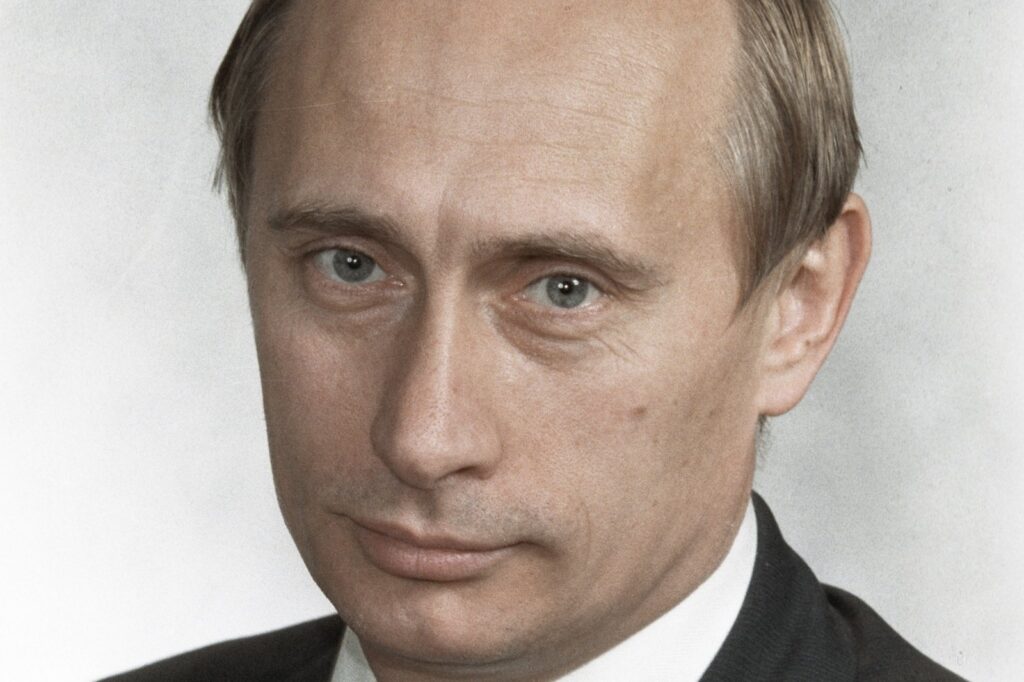
MOSCOW, July 15 — The shift is becoming harder to ignore. As the war in Ukraine grinds past its fourth year, Vladimir Putin’s strategy is no longer just about territorial gains on the battlefield. It is about forcing a political settlement on his terms — terms that the West and Kyiv have so far refused to accept.
Putin, born in Leningrad on October 7, 1952, has been the dominant figure in Russian politics for a quarter of a century. He served as president from 2000 to 2008, then as prime minister from 2008 to 2012, before returning to the presidency in 2012, where he remains.
His decision to order the full-scale invasion of Ukraine on February 24, 2022, escalated a conflict that had simmered since the annexation of Crimea in 2014 and Russian support for separatists in the Donbas. He has consistently justified the war as a necessary response to NATO’s eastward expansion and as a mission to protect Russian-speaking populations in Ukraine.
The Demands That Block Peace
The trend underneath the headlines is this: Putin is betting on attrition — both military and political. As of February 2025, his core demand remains unchanged: Ukraine must formally recognize Russia’s annexation of four Ukrainian regions — Donetsk, Luhansk, Zaporizhzhia, and Kherson — along with Crimea. These are conditions that Ukraine has repeatedly and categorically rejected.
Watch this space. The Kremlin shows no sign of softening its position, and the diplomatic path remains effectively blocked.
Isolated but Unbowed
The international response to Putin’s war has been severe. Russia faces extensive sanctions from the United States, the European Union, and other allied nations. In March 2023, the International Criminal Court issued an arrest warrant for Putin, accusing him of war crimes specifically tied to the deportation of children from Ukraine.
His government has faced a steady stream of accusations of war crimes from international bodies and human rights organizations. Inside Russia, the picture is murkier.
Putin’s approval ratings have remained high, according to state-controlled polling agencies. But independent polling is restricted, and dissent is aggressively suppressed. What’s changing is the economic pressure: sanctions have bitten into Russia’s energy revenues and supply chains, yet the war economy has also kept factories running and wages rising in key sectors.
What Comes Next
For now, the war of position continues. Putin shows no willingness to compromise on the annexed territories, and Ukraine shows no willingness to cede them. The International Criminal Court warrant means Putin’s travel options are severely limited — any signatory state would be obliged to arrest him.
The question that hangs over the conflict is whether Western support for Ukraine can outlast Russia’s willingness to absorb casualties and sanctions. What’s changing is the political calendar: as the war drags on, domestic pressure in Western capitals may shift the calculus.
Putin appears to be counting on that. The trend underneath is a leader who has staked his legacy on a war he cannot afford to lose, facing an opponent that refuses to surrender. Watch this space for the next move.




