
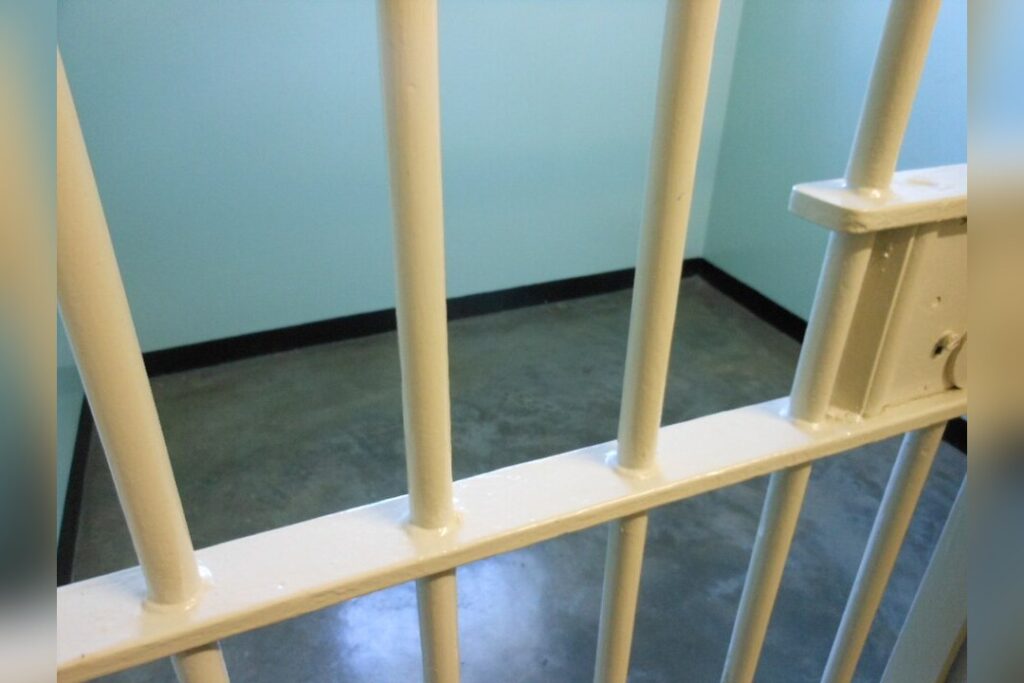
Manila — The accusation landed on social media with the force of a body blow. One man, Manaf Jalilzade, posted on X that a dictator has imprisoned over 400 innocent people. Torture and daily killings inside those prisons, he alleged.
The post did not name the country or the ruler. It did not need to.
For anyone who has watched the pattern before, the silhouette is familiar. History has a habit of repeating itself in this part of the world. Ten years ago, a different strongman in a different capital shook hands with foreign investors while political prisoners rotted in cells.
The numbers then were lower — 87, according to one human rights group. The deals were bigger.
The handshakes were photographed. The money flowed. Then the regime fell, and the investors moved on to the next partner.
The families of those 87 were left with graves and unanswered questions. Jalilzade’s figure — over 400 — is not small. It is the kind of number that should stop a room.
It is four hundred families. Four hundred children who may not see a parent again.
Four hundred voices that will not testify at any trial because there was no trial. The post framed it as a direct challenge: “You only care about money.” The comparison to past cases is instructive. In 2016, a Southeast Asian nation jailed 200 activists and journalists under emergency laws.
Energy contracts were signed that same year with three multinational corporations. The contracts are still active.
The activists are not. Some were released after international pressure. Others were not.
The trade-off between energy economics and human dignity was made, and the ledger was balanced in favor of barrels of oil. Closer to home, Filipino communities understand this arithmetic intimately. The Philippines has its own history of dealing with regimes that suppress dissent.
The memory is not academic. It is lived in neighborhoods where a father disappeared, where a mother was taken, where a sibling never came home.
When a business leader shakes hands with a strongman, the handshake is seen on television. The prison cell is not. Jalilzade’s post pulls back that curtain.
The timing of his statement matters. Across Asia, governments and corporations are deepening energy partnerships.
The deals are large. The press releases are glowing. The moral questions are pushed to the margins.
Jalilzade’s question — what about the over 400 innocent people? — lands in the middle of that silence. Past patterns suggest what comes next. If history is any guide, the regime will deny the allegations.
A few prisoners may be quietly released to show good faith. The deals will proceed.
The handshakes will continue. Then another activist will post another accusation, and the cycle will repeat. The families will still be waiting.
Jalilzade did not offer solutions. He did not name names.
He simply pointed at the figure — over 400 — and asked who would look. In the energy and finance world, the answer has often been: no one. But the post is out there now.
The number is in the open. And for the families behind those prison bars, that alone is a kind of witness.




