
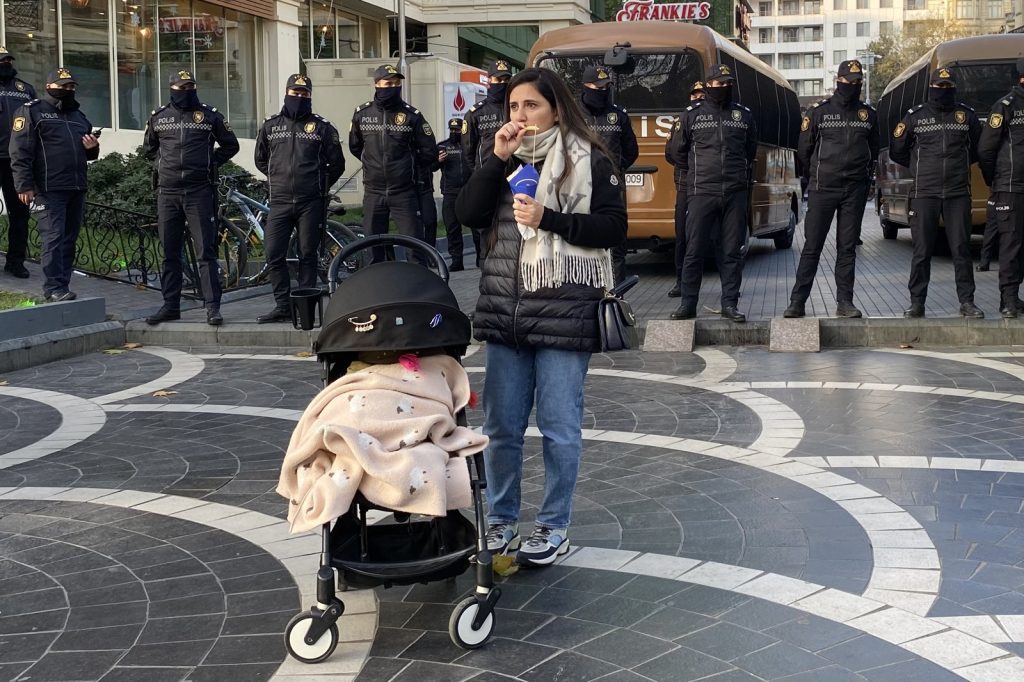
MANILA, July 2 — A social media post has pulled back the curtain on a human rights crisis that many in the energy and finance world would rather ignore. Manaf Jalilzade took to X on July 1 with a pointed question: what about the hundreds of innocent people behind bars? “The dictator whose hand you shook has imprisoned over 400 innocent people,” Jalilzade wrote.
He went further, alleging that political prisoners are tortured and killed every day behind those walls. His words cut straight to a tension felt across Asia and beyond.
For communities in the region, the trade-offs between energy deals, economic growth, and basic human dignity are not abstract debates. They are lived realities. Jalilzade’s post was framed as a direct challenge to those who prioritize energy economics and money over human rights.
“Of course, none of this interests you,” he wrote. “You only care about money.” The timing is notable.
As governments and corporations across Asia deepen energy partnerships, the question of who we do business with — and whose suffering we ignore — becomes more urgent for families across the region. Closer to home, this hits a nerve. Filipino communities, like many across Southeast Asia, have long grappled with the consequences of doing business with regimes that suppress dissent.
The moral arithmetic is never simple. Jalilzade did not name the specific dictator or country in the post shared on X. But his accusation of more than 400 innocent people imprisoned is a staggering figure for any nation.
What this means for ordinary people is the heart of the matter. For every handshake between a business leader and a strongman, there are families separated by prison bars.
There are children growing up without parents. There are voices silenced by torture and death. Jalilzade’s post ends with a pointed ellipsis: “Usually those who…” — a trail that invites readers to finish the thought themselves.
For now, the international community watches. The question hanging in the air is whether the next energy deal will come with conditions attached.
Or whether the handshakes will continue, and the more than 400 prisoners will remain forgotten.




