
A Routine Dispute Exposes Vulnerability
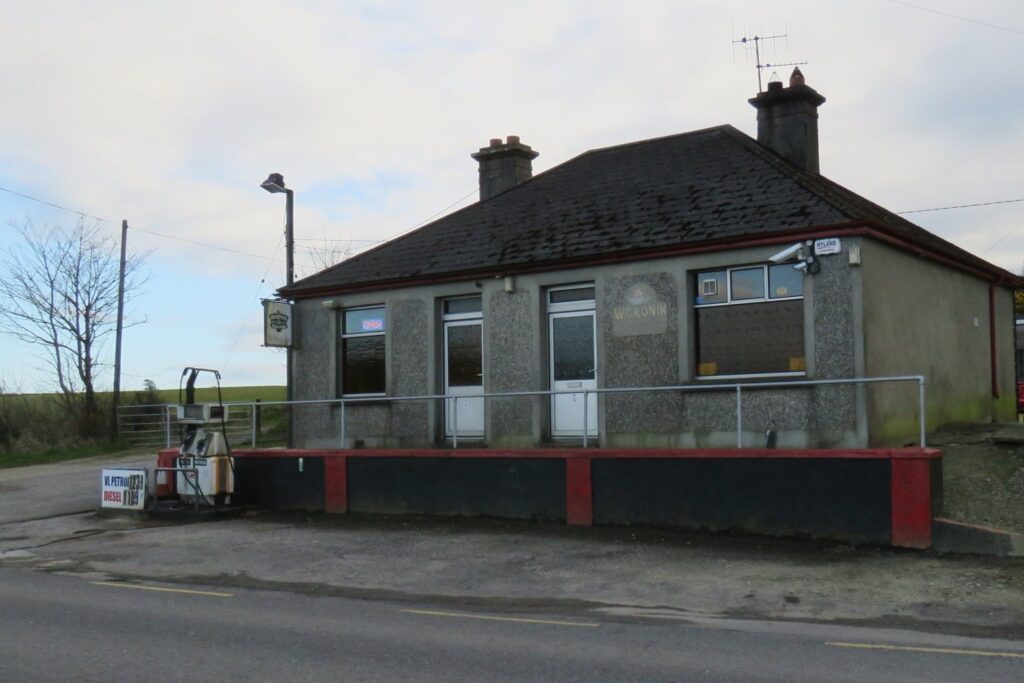
The pump near Hunchinala Camp is typical of many in the region. It processes transactions in cash, with minimal digital payment infrastructure. Staff are local workers who, according to the available information, have received no formal conflict resolution training. When the dispute over the 10 rupees occurred, there was no immediate mechanism to de-escalate or record what was happening. CCTV footage was later released, but the source material does not specify what the footage shows or how the incident concluded. What is clear is that the lack of real-time surveillance may have been a contributing factor to the escalation. The state government has not mandated specific security protocols for rural fuel stations, leaving individual operators to decide whether to invest in safety measures. This means there is no uniform requirement for cameras, panic buttons, security personnel, or conflict resolution training. Each operator makes their own decisions, and in a region where margins are thin and infrastructure is sparse, those decisions often lean toward the minimum.
Data Reveals Infrastructure Gaps
The PNGRB’s 2023 figures paint a stark picture of rural Karnataka’s fuel retail infrastructure. Only three in ten rural petrol pumps have CCTV cameras. That means seven in ten operate without any video record of transactions or incidents. Panic buttons, which allow staff to alert authorities or nearby businesses in an emergency, are even rarer. Security personnel are almost nonexistent at these locations. The combination of cash reliance and minimal security creates a vulnerability that a dispute over a small amount of money can expose. Think of it like this: if a convenience store in a city had no cameras, no alarm system, and no trained staff for handling disputes, you would expect problems. Rural petrol pumps in Karnataka are essentially in that position, but they also handle cash transactions with strangers all day long. The incident near Hunchinala Camp has put a spotlight on the broader question of safety at these stations. With only 30% having CCTV and even fewer having panic buttons, the gap between urban and rural security infrastructure remains wide. The state government has not yet signaled any change in policy, but the release of CCTV footage from the July 8 incident may prompt renewed discussion about whether minimum security standards should be required.
Background and Implications
Petrol pumps — also called filling stations or gasoline pumps — serve as essential nodes in the fuel supply chain, providing motorists with gasoline and diesel along with lubricants. The concept emerged alongside the rise of the automobile in the early 20th century, when independent operators began selling fuel from simple roadside tanks. Over time, these evolved into standardized stations with pumps mounted on islands, metered delivery, and canopy-covered forecourts. In India, the sector expanded with the growth of road transport and the national adoption of liquid fuels, leading to a dense network of stations across states including Karnataka. Karnataka’s fuel retail network reflects the broader pattern of rural and urban demand. The state’s economy relies on agriculture, industry, and services, all of which depend on steady fuel supplies. Rural stations often serve farmers, small transporters, and local commuters, operating on thin margins and limited infrastructure. Unlike urban outlets with modern payment systems and security arrangements, many rural pumps remain cash-centric, using manual logs and basic cash registers. This long-standing setup — where transactions are conducted in person and recorded on paper — creates fewer digital records and less oversight than in urban settings. Security at these stations has historically been an afterthought. Most rural pumps lack dedicated guards, surveillance systems, or emergency protocols, relying instead on on-site staff who may have no formal training in conflict resolution. The absence of panic buttons and real-time monitoring means disputes can escalate before help arrives. This gap in oversight is not unique to Karnataka but mirrors conditions seen in other large states with extensive rural fuel networks. The lack of mandated security standards at the state level has allowed these conditions to persist, even as urban stations adopt tighter controls. For residents and travelers in Karnataka’s countryside, the petrol pump remains a practical necessity — and a potential flashpoint. The recent incident near Hunchinala Camp highlights how routine cash disagreements can turn volatile when infrastructure and training are inadequate. While urban stations have adapted to digital payments and surveillance, rural outlets still reflect an older, less supervised model. The state’s economy and mobility depend on these facilities, making their safe and orderly operation a matter of public interest.




