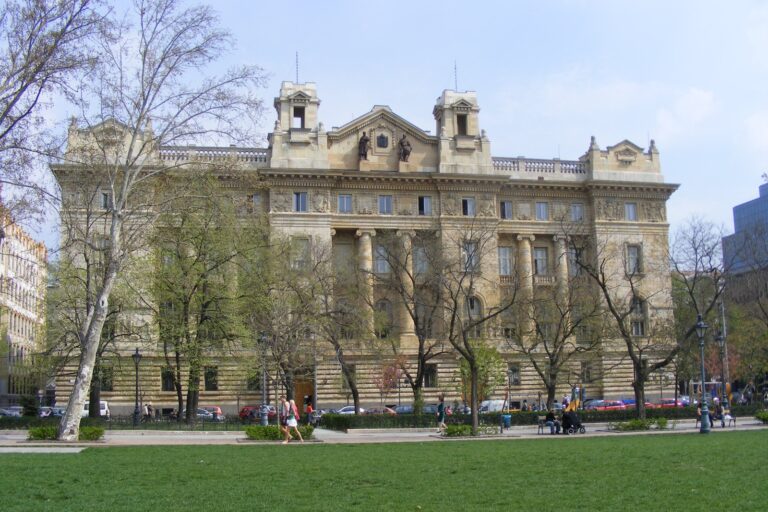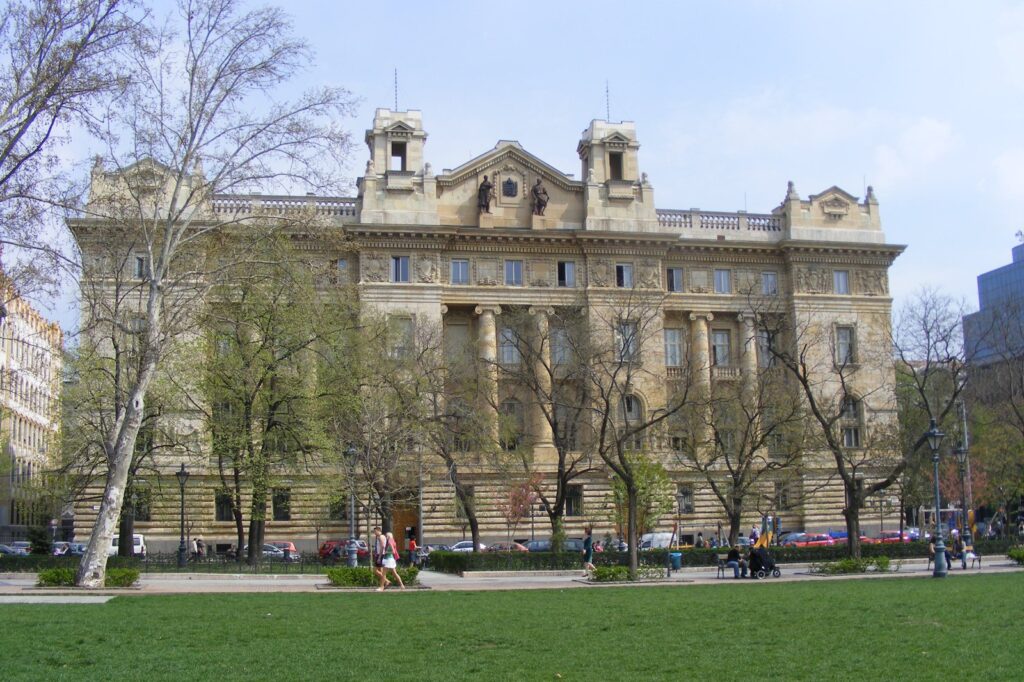
BUDAPEST, October 21, 2026 — Hungarian police arrested former central bank governor György Matolcsy on Wednesday, marking a high‑profile step in the new administration’s probe of suspected financial crimes committed during Viktor Orbán’s rule.
Arrest and Immediate Charges
According to the Central Prosecutor’s Office, coordinated investigative actions were carried out at several locations in connection with a central‑bank‑related investigation into criminal misappropriation of funds. The statement did not name Matolcsky, but the police confirmed his detention shortly thereafter. Matolcsy’s lawyer, Pál Bátki, told the news outlet Telex that his client is suspected of economic fraud that caused significant financial damage and of using a forged private document.
Matolcsy has denied any wrongdoing. His lawyer emphasized that the allegations remain unproven and that the former governor will contest the charges in court.
Background: Tenure and Controversies
Matolcsy led the National Bank of Hungary from 2013 until 2025 after serving as Orbán’s minister of economy between 2010 and 2013. During his two‑decade span in senior economic posts, he became a close ally of the prime minister and oversaw the creation of bank‑funded foundations that received “hundreds of billions of forints” in public money, a figure that translates to hundreds of millions of dollars.
Critics have long questioned the foundations’ purpose and the transparency of their financing. A criminal complaint filed last month alleged embezzlement, negligence, fraud and abuse of office while Matolcsy was governor. The complaint followed an internal audit that found several real‑estate purchases made by the bank were acquired at inflated prices, a practice that the audit said caused “significant financial damage” to the institution.
Government Crackdown on Orbán‑Era Financial Abuse
Prime Minister Péter Magyar announced on Facebook that Matolcsy was in custody, adding that the new government has prioritized investigating suspected financial abuses committed by officials from the previous administration. In an exclusive interview with The Associated Press, Magyar said it was clear that “certain members of the previous government as well as oligarchs, businessmen and family members connected to them committed serious crimes, typically corruption crimes, both with national funding and EU funding.”
Magyar’s administration launched the National Asset Recovery and Protection Office in July. The office, described by the prime minister as a “superauthority,” can enlist police, prosecutors and the national tax authority to accelerate complex corruption investigations. Officials confirmed that the office now holds both investigative and prosecutorial powers to pursue cases of misused public funds.
Implications for Hungary’s Political Landscape
The arrest of a figure as prominent as Matolcsy signals a willingness by the Magyar government to pursue high‑level corruption cases that were largely dormant under Orbán’s long tenure. Analysts note that the case could test the capacity of the newly created asset‑recovery office and set precedents for how future allegations against former officials are handled.
While the investigation is still in its early stages, the focus on real‑estate deals and foundation endowments suggests that authorities may scrutinize a broader range of financial transactions linked to the Orbán era. If prosecutors secure convictions, the outcome could reshape public perception of the previous government’s economic legacy and influence Hungary’s relations with international partners that have monitored the country’s governance standards.
For now, Matolcsy remains in custody pending further legal proceedings. The central bank continues its operations, and the broader anti‑corruption drive proceeds under the oversight of the National Asset Recovery and Protection Office, which officials say is designed to prevent lengthy delays in uncovering complicated financial crimes.
Sources
- Hungarian police arrest Orbán-era central bank governor on suspicion of fraud and abuse
- Hungary’s Magyar vows accountability for Orbán era while holding firm on migration
- Ukraine's anti-corruption police search National Bank premises – AOL
Photo: Egrian (Public domain)