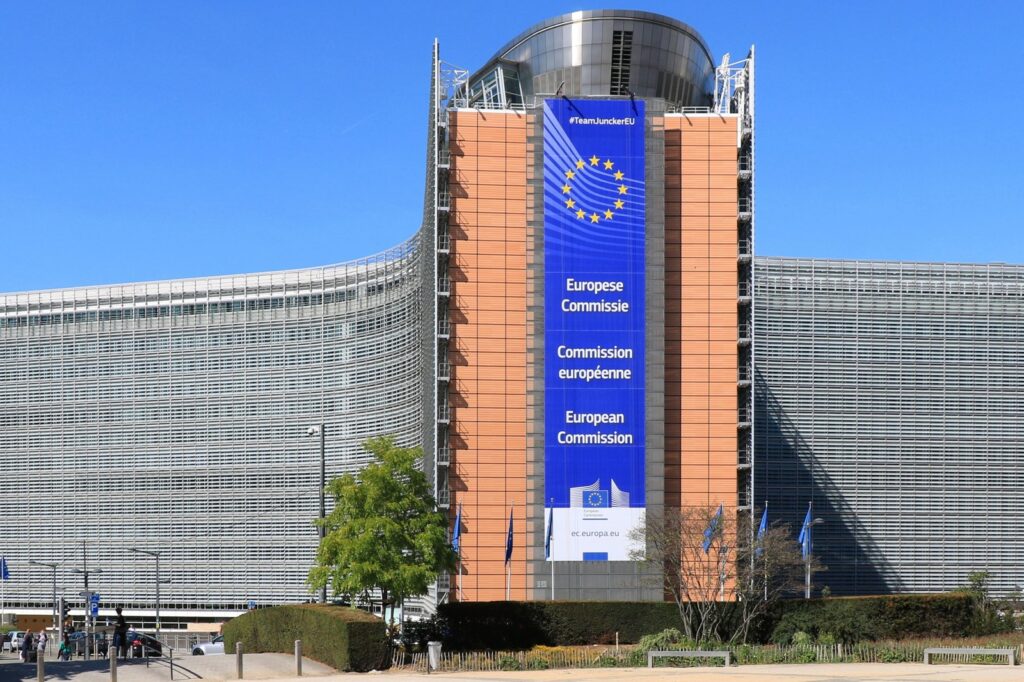
A hotel booking can be real while the payment request that follows it is not. The European Commission has opened formal proceedings to find out whether Booking.com, the Amsterdam-based travel platform owned by Booking Holdings, has done enough to protect guests from exactly that.
What the Commission will examine
Investigators will look at how guest and reservation details reach accommodation providers, and whether the platform’s messaging service adequately guarded against fraudulent payment requests. They will also check how well Booking.com finds and removes listings for properties that do not exist, impersonators, and offers that broke the platform’s rules.
Before opening the case, officials went through four years of risk assessments and transparency reports, plus answers to information requests sent in September 2025 and May 2026. They have not established a breach. Henna Virkkunen, the Commission’s executive vice president for tech sovereignty, security and democracy, framed the matter under the Digital Services Act. “Europeans should be able to book their holidays without fear of being scammed,” she said, adding that the law “sets clear responsibilities on platforms to address these risks.”
The inquiry is at the evidence stage. The Commission will send more information requests and may conduct interviews or inspections. Depending on what it finds, it could order interim measures, issue a finding of noncompliance, or accept commitments from Booking.com to fix the problems. Whether the platform broke the rules remains to be decided. The Commission did not respond to Courthouse News’s request for comment.
The record of fraud complaints
Travelers had raised the alarm before this. In an April 2024 warning, Lloyds Bank described scammers who posed as hotels through the Booking.com app and asked for extra payments or financial details. One customer in that warning lost 534 pounds, about $715. She had been told to pay more by bank transfer or lose her room. When she arrived, no hotel stood at the address.
Agustín Reyna, director general of the European Consumer Organisation, BEUC, welcomed the case but called the problem systemic. Fraudsters, he said, reach millions of Europeans every day and put hundreds or thousands of euros at risk. “Companies must urgently abide by the rules and clean up the financial scams circulating on their platforms,” he said.
Booking.com’s answer
A company spokesperson said Booking.com is cooperating fully and that “security, trust and the protection of personal information are top priorities.” The company pointed to mandatory two-factor authentication for partner accounts, blocking of malicious links, and artificial intelligence to intercept fraud. Its in-house systems stopped 14 million fraudulent transaction attempts before they reached partners last year, up 22%, the spokesperson said. The company added that it works with authorities and industry partners to educate travelers and accommodation providers, and warns about WhatsApp phishing and payment requests that do not match booking details.
The platform lists about 3.4 million properties in more than 220 countries. Its parent has lately put money into AI elsewhere in the business: in October Booking Holdings set up Vayo, an AI personal travel agent in private beta since Oct. 14, with a planned $100 million investment. Management has tied its AI work to falling customer service costs per booking, not to fraud prevention.
Sources
- Booking.com
- Booking.com faces EU investigation over scams and hidden ads
- What Is Booking Holdings Building That Investors Should Watch?
Photo: EmDee (CC BY-SA 4.0)