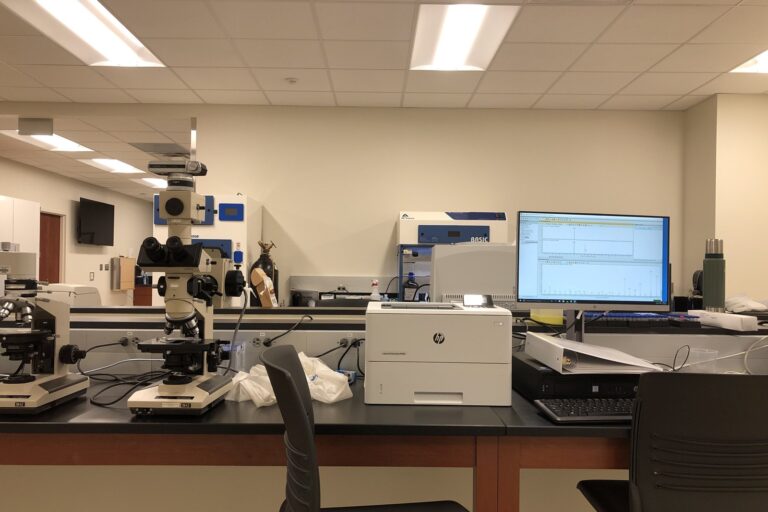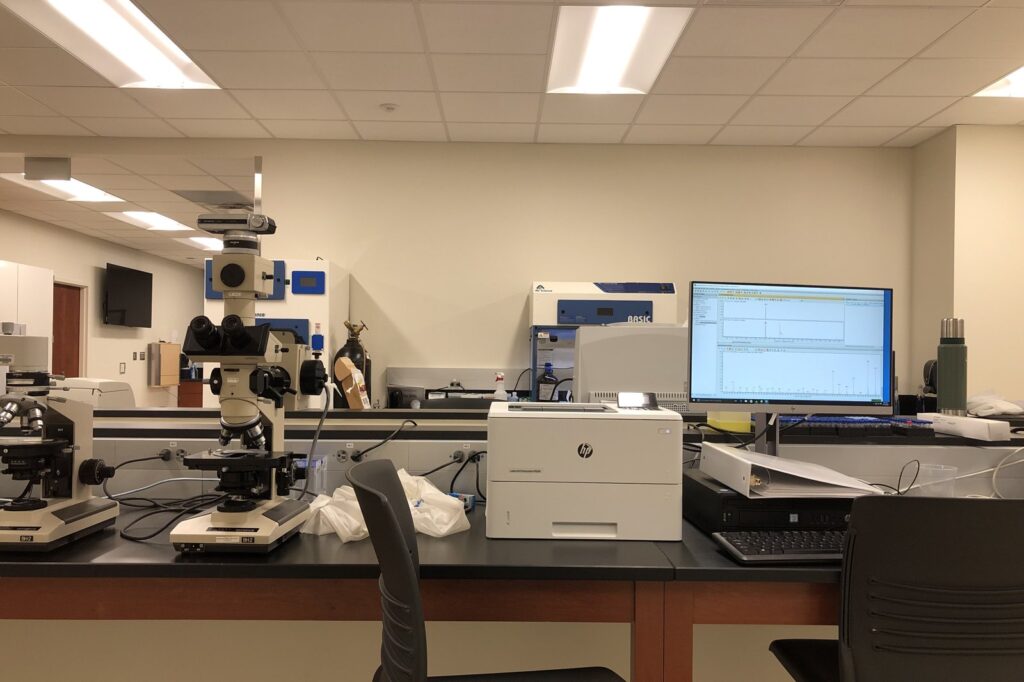
Recent arrests in long-unsolved murders highlight how advances in forensic science are transforming cold case investigations. From digital forensics to DNA analysis, new tools are helping police re-examine old evidence and identify suspects in cases once considered unsolvable.
What Makes a Case Go Cold
A cold case is an unsolved crime no longer under active investigation, though new information could still emerge. Typically, these are major felonies like murder or rape, which have no statute of limitations. Despite advances, a substantial number of homicides remain unsolved each year in the United States, contributing to a growing backlog of cold cases.
The Forensic Revolution
Improvements in forensic technology are breathing new life into these dormant investigations. DNA testing and profiling, in particular, have led to the reopening and prosecution of many cold cases. Police departments are establishing specialized units to re-examine old files, leveraging tools like digital forensics to recover hidden or deleted data, ballistics analysis to evaluate firearms, and forensic anthropology to study skeletal remains.
Artificial intelligence is also playing a key role, aiding in the analysis of crime scene data and information. These advancements are not just theoretical; they are yielding results. In Orlando, for instance, police recently charged a man in a nearly 15-year-old cold case after using digital forensics to analyze electronic devices and phones.
The Role of DNA and Cold Case Units
DNA evidence is a powerful tool, but it is only as valuable as the database it is compared against. To address this, the FBI is transitioning from the Integrated Automated Fingerprint Identification System (IAFIS) to the Next Generation Identification (NGI) technology. This shift enhances the ability to match DNA evidence with potential suspects, even in cases that are decades old.
Specialized cold case units are at the forefront of these efforts. By re-examining old evidence with new techniques, they are uncovering leads that were previously overlooked. For example, in Iowa, a man was recently charged with a 1995 homicide after investigators, working with the Iowa Attorney General’s Office Cold Case Unit, developed new evidence using advanced forensic methods.
Real-World Impact
The impact of these advancements is evident in the growing number of cold cases being solved. In the case of Michelle Parker, who went missing in 2011, Orlando police used digital forensics to analyze electronic devices and uncover new evidence, leading to the arrest of her ex-fiancé. Similarly, in Iowa, the arrest of a suspect in the 1995 murder of Angela Renee Buck demonstrates how persistent investigation, combined with modern forensic techniques, can bring closure to victims’ families.
What Comes Next
As forensic science continues to evolve, the potential to solve cold cases grows. However, challenges remain, particularly in cases where evidence is limited or degraded. The ongoing development of technologies like genetic genealogy and improved DNA analysis will likely play a crucial role in future investigations. For now, cold case units and forensic experts are working tirelessly to ensure that no case remains unsolved forever, offering hope to those still seeking justice.
The Role of Public Engagement in Solving Cold Cases
While advancements in forensic technology are crucial, public engagement plays a significant role in solving cold cases. Police organizations have increasingly turned to the public for assistance, creating websites and platforms dedicated to cold cases. For instance, the Texas Rangers have established a website to elicit new information and investigative leads from the public. This approach leverages the collective knowledge and memory of communities, often leading to the discovery of overlooked details or witnesses who may have crucial information.
Public engagement is particularly effective in cases where tunnel vision may have hindered initial investigations. Tunnel vision occurs when investigators focus too narrowly on a single suspect or theory, potentially overlooking viable alternatives. By involving the public, law enforcement can gather fresh perspectives and new leads that might have been missed during the original investigation. This collaborative effort between police and the community has proven instrumental in reopening and solving cold cases, demonstrating the power of collective action in the pursuit of justice.
The Evolution of Forensic Techniques in Cold Case Investigations
The evolution of forensic techniques has significantly enhanced the ability to solve cold cases. Beyond DNA testing, advancements in digital forensics, ballistics analysis, and forensic anthropology have become indispensable tools. For instance, digital forensics allows investigators to recover hidden or deleted data from electronic devices, which has proven crucial in cases like the Michelle Parker disappearance in Orlando. Similarly, ballistics analysis helps match firearms to crimes, while forensic anthropology provides critical insights into skeletal remains, often revealing causes of death or other pertinent details.
Another notable development is the integration of artificial intelligence (AI) into forensic analysis. AI assists in processing large volumes of data from crime scenes, identifying patterns, and generating leads that might otherwise go unnoticed. This technology has been particularly effective in cases where traditional methods have failed to yield results. For example, AI-driven facial recognition has been used to identify suspects based on partial or degraded images, bridging gaps in evidence that previously hindered investigations.
Moreover, the field of forensic psychology has emerged as a valuable asset in cold case investigations. By analyzing crime scenes and victim profiles, forensic psychologists can construct behavioral profiles of suspects, offering new angles for investigators to explore. These multidisciplinary approaches, combined with the dedication of specialized cold case units, are transforming the landscape of cold case resolution, ensuring that even the most challenging cases are not left unsolved.
Sources
- Cold case
- Florida man killed ex-fiancée hours after their 'People's Court' episode aired, police say
- Bertha man charged in 1995 Iowa cold case homicide
Photo: Mbrickn (CC BY 4.0)